
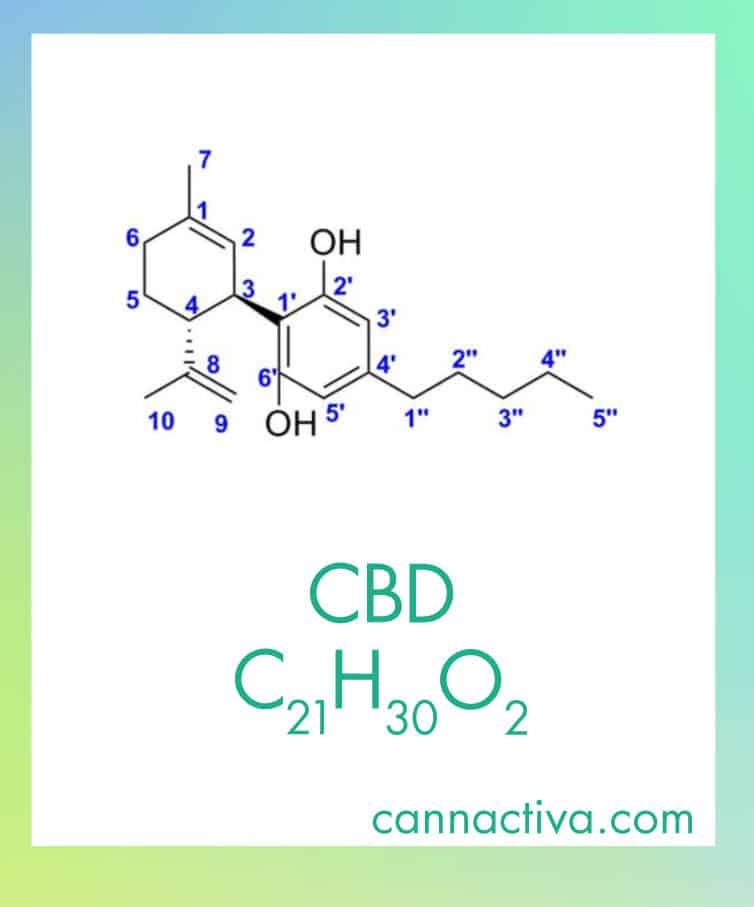
Cannabidiol, known as CBD, is a non-psychoactive compound found naturally in cannabis. Together with THC — the compound responsible for the psychoactive effects, or the "high", associated with marijuana — CBD is one of the most prevalent and significant cannabinoids in the plant.
In some varieties the CBD percentage may be minimal, while in others, like hemp, CBD is the most abundant component. There are also strains where CBD and THC appear in similar or balanced proportions.
As scientific research advances, various properties of CBD have been discovered, drawing growing interest in this compound. Today, CBD is popular for its potential wellness benefits.
The 3 key ideas
- CBD (cannabidiol) is a natural compound from hemp that is non-psychoactive — it doesn't get you high and doesn't cause addiction — recognised by the WHO since 2018. It differs from THC in that it acts on different receptors of the endocannabinoid system.
- CBD's strongest medical use today is the treatment of refractory epilepsies (an approved drug exists: Epidyolex). It also has promising research areas in chronic and neuropathic pain, anxiety, insomnia and inflammatory conditions, where results are encouraging though evidence remains preliminary.
- In Europe, CBD use is split into two routes: medical (cannabis and prescription medicines under medical supervision) and cosmetic / external use (what is sold in shops). Until 2018 CBD oils were marketed as food supplements for oral use, but were later restricted. The authorisation of CBD as a novel food for oral or sublingual use is still pending evaluation by the EFSA.
What is CBD?
Definition
CBD or cannabidiol is a compound produced by the cannabis plant (Cannabis sativa L.) in its trichomes. These structures are most abundant in the flowers or buds of the plant, which is why flowers — and not hemp seeds — are used to obtain CBD.
Chemically, CBD belongs to the cannabinoids group. The cannabis plant produces around a hundred different cannabinoids. Of those, the most studied are CBD from hemp and THC, the predominant psychotropic cannabinoid in marijuana.
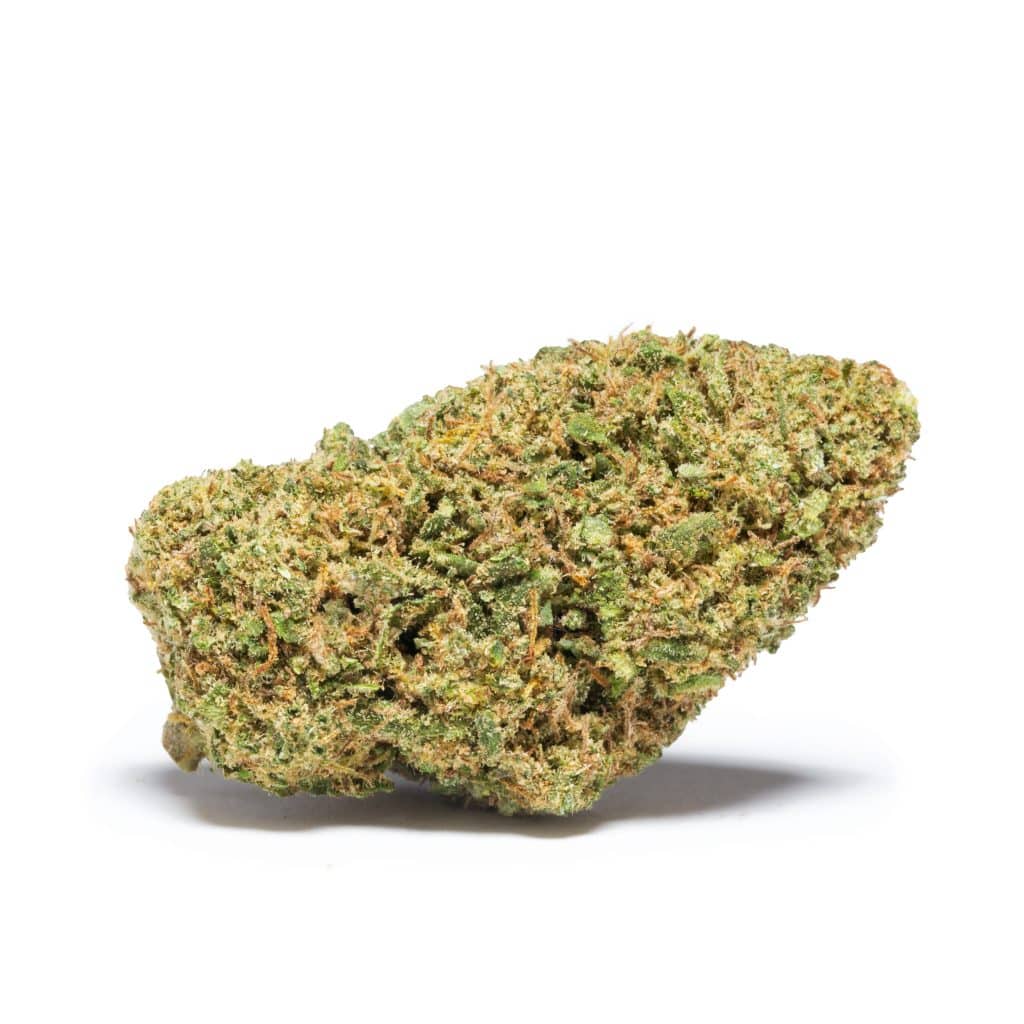
CBD flowers are a variety of cannabis (hemp) with high CBD content and very little THC. Hemp is the source of CBD oil, as well as CBD hash, CBD creams and CBD cosmetics.
CBD is a safe, non-toxic substance. According to the official report Cannabidiol (CBD): Critical Review Report (WHO, 2018), the World Health Organization concluded that cannabidiol shows no potential for abuse or dependence and is not associated with public health problems. In 2020, the UN removed cannabis from Schedule IV of the most strictly controlled substances, following that recommendation.
Differences between CBD and THC
THC and CBD are two different types of cannabinoids that can be found in high concentrations in cannabis.
Although both are cannabinoids, the effects of CBD and THC on the body are entirely different.
The difference in effects between these two cannabinoids comes down to the fact that they have a different molecular structure, which causes them to bind to different sites on cells in the body.
Tetrahydrocannabinol or THC is the compound responsible for the psychoactive effects of marijuana, producing feelings of euphoria and altered perception or sensory states. It has addictive potential and chronic use has been linked to paranoia and other conditions.
By contrast, CBD is non-psychoactive and has no addictive potential. It also has properties that are anti-inflammatory, analgesic (for pain) and neuroprotective, and may even attenuate the effects of THC, reducing its psychoactivity. Being non-psychoactive, CBD is legal in most European countries.
Characteristic | CBD | THC |
|---|---|---|
Psychoactivity | Non-psychoactive | Psychoactive ("gets you high") |
Addictive potential | Non-addictive (WHO, 2018) | Recognised addictive potential |
Legal status | Legal (external and regulated medical use) | Illegal (except regulated medical use) |
Main source | Industrial hemp (<0.3% THC) | Marijuana (20-30% THC) |
Studied properties | Anti-inflammatory, analgesic, anxiolytic | Analgesic, antiemetic, orexigenic |
Main receptors | CB2, 5-HT1A, TRPV1 | CB1 (brain) |
Drug test | Not detectable* | Positive |
*Full-spectrum CBD products contain traces of THC (<0.2%) that may be detected in an analysis under specific circumstances. Consult a professional if you are subject to anti-doping controls.
If you'd like to learn more, read our post: Differences between THC and CBD.
Where is CBD obtained from?
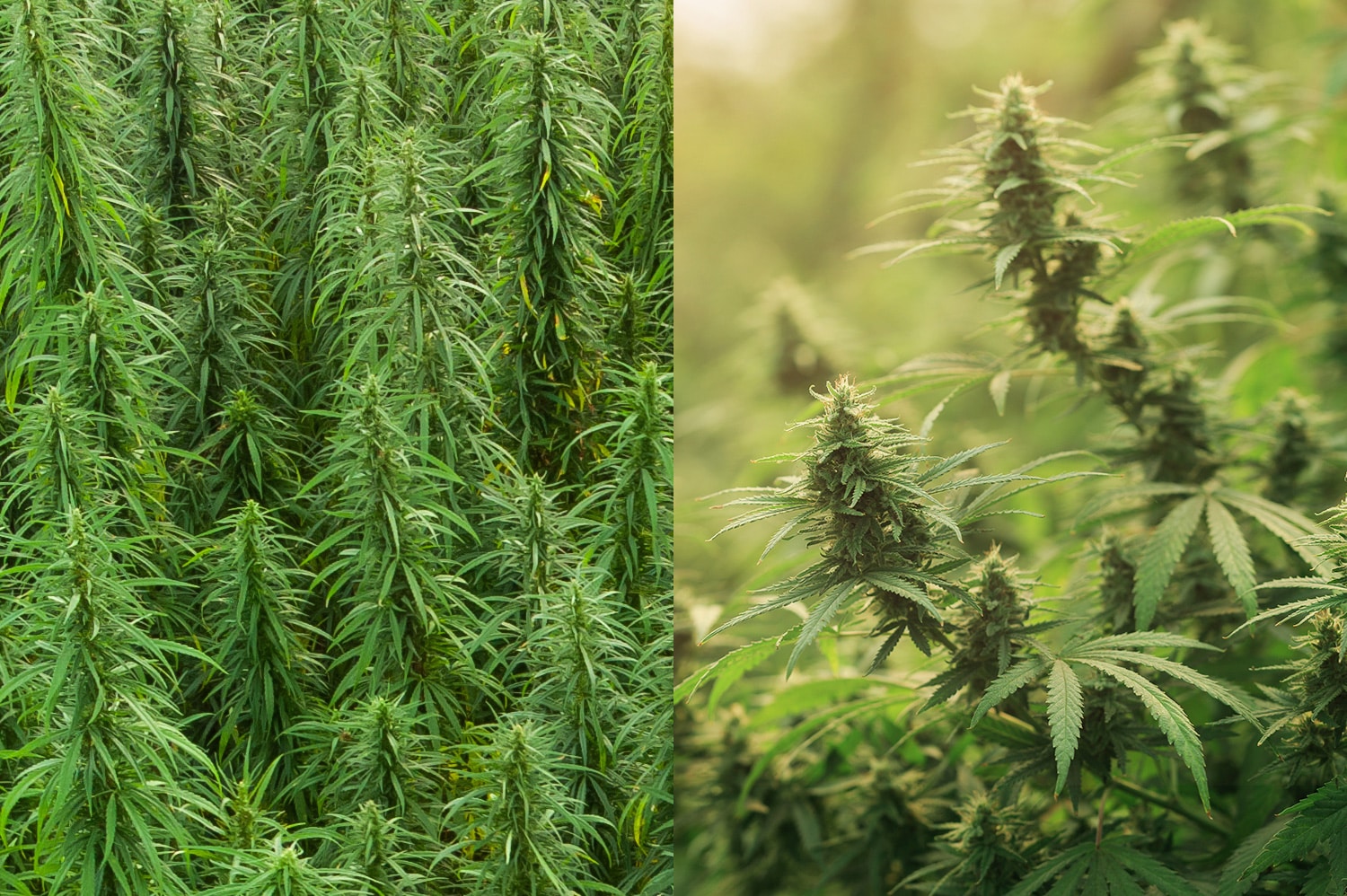
CBD is the main component of hemp extract — a variety of cannabis with high CBD content (25% or more) and minimal THC levels, below 0.3-1% (depending on the country, this may vary). With virtually no THC, it is not classed as a narcotic and can be regulated legally. More on this: how CBD is obtained.
Differences between CBD and marijuana
Marijuana has THC levels of around 20-30% or more, in contrast to the minimal THC levels in hemp. Essentially, because of this difference in composition, hemp is legal and marijuana is illegal in many countries. See also: differences between hemp and marijuana.
CBD is added to very different products depending on the route of use. Oils, creams, flowers and massage oils are the most common categories at a specialist shop:
What is CBD used for?
Mechanism of action
CBD exerts its effects through the endocannabinoid system, which acts as the body's control centre to respond to imbalances such as acute and chronic conditions, supporting an adequate response.
The main role of the endocannabinoid system is to maintain the body's homeostasis and balance, regulating other systems as needed. Cannabidiol binds to endocannabinoid receptors and modulates the system's response. Read more: medicinal properties of CBD and effects of CBD.
CBD benefits and potential therapeutic applications
The most studied areas include anxiety, insomnia, neuropathic pain, endometriosis, acne, epilepsy and Parkinson's disease, among other applications where research is ongoing.
Anxiety and stress
CBD is one of the most studied cannabinoids in relation to stress and anxiety. A systematic review by Blessing et al. (2015) in Neurotherapeutics observed that single doses of 300-600 mg significantly reduced the induced anxiety response in patients and healthy volunteers.
Insomnia and rest
Shannon et al. (2019), in a case series published in The Permanente Journal, observed that 66% of participants improved their sleep scores within the first month after incorporating CBD into their routine, especially when there was an anxiety component associated with insomnia.
Chronic pain and neuropathic pain
Two reference scientific reviews (Vučković et al., 2018, Frontiers in Pharmacology · Mlost et al., 2020, International Journal of Molecular Sciences) gather evidence that CBD reduces the perception of neuropathic and inflammatory pain through TRPV1 receptors and modulation of inflammation. Typical application through topical creams and oils.
Epilepsy (approved case)
The strongest case of scientific evidence for CBD is refractory epilepsy. Devinsky et al. (2017), in The New England Journal of Medicine, showed that CBD reduced seizure frequency by 39% in children with Dravet syndrome versus 13% in the placebo group. There is an EMA- and FDA-approved drug, Epidyolex (purified CBD), prescribed by neurologists — very different from the CBD sold in shops.
Other research areas
Research is also exploring CBD in acne (Oláh et al., 2014: CBD inhibits excessive sebum production), endometriosis and menstrual pain, neurodegenerative diseases such as Parkinson's or Alzheimer's (neuroprotective potential pending clinical confirmation) and as a complementary aid in tobacco, cannabis and opioid cessation programmes.
How is CBD used?
CBD comes in different formats depending on the route of use: CBD oils, creams for physiotherapy, CBD flowers, hash, CBD cosmetics and other products such as vapes, capsules and edibles. Each format has different applications and durations, which we cover next. Read more: how to consume CBD.
CBD Oil
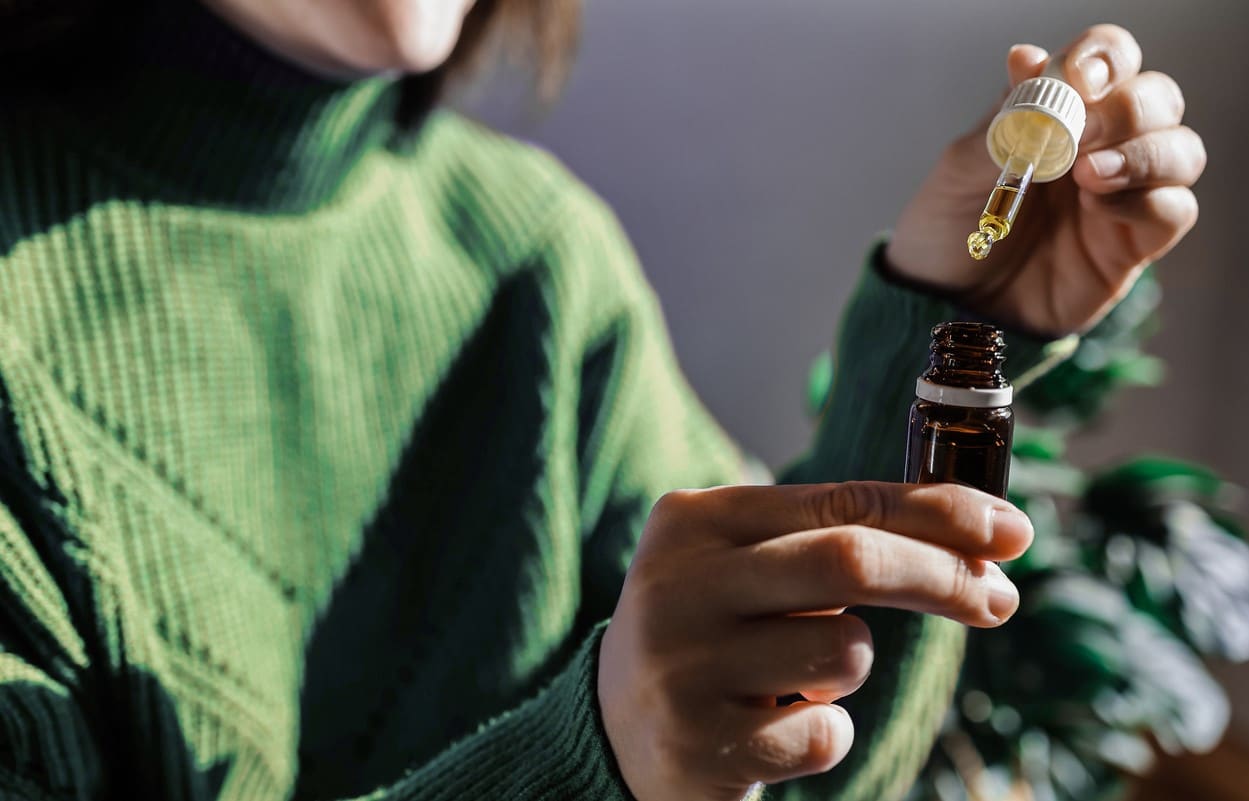
Using CBD oil provides a stable, long-lasting effect, suitable for issues whose symptoms persist throughout the day. It's important that oils have a high cannabidiol concentration, to allow you to reach the right dose with just a few drops.
In many European countries, CBD oils sold in shops are intended exclusively for topical use on the skin. Other countries such as Switzerland, Canada or the United States also allow oral or sublingual use. Although the products are practically identical, they are subject to different regulations depending on the market. Cannactiva CBD oils are sold for external use.
CBD Creams for the skin
Topical CBD is used for a localised effect, such as muscle or joint pain. CBD has analgesic and anti-inflammatory properties used in physiotherapy treatments.
At Cannactiva we offer a full range of CBD products for physiotherapy, combining the properties of CBD with other botanical extracts that enhance its effect on the relief of muscular pain and discomfort:
Vaporisations with CBD
The pulmonary route is the most recommended way to use CBD for moments of acute need, since the effect is felt immediately, reaching its peak after just a couple of minutes, allowing you to fine-tune the dose at any moment. It's a valuable tool for acute issues; however, the strength of the effect tapers off gradually until it disappears after a couple of hours. More on this: guide to vaping CBD.
CBD Cosmetics
CBD also acts on the endocannabinoid system of the skin, supporting skin barrier integrity, aiding hydration and promoting healthy skin — properties used in cosmetic formulations.
CBD Regulation in 2026
The legal framework for CBD evolves every year and varies by country. Broadly, two distinct regulatory paths coexist that should not be confused: the regulation of CBD as a consumer product, and the regulation of cannabis for medical use.
CBD as "novel food" in Europe
In the European Union, cannabidiol (CBD) is classified as a novel food, which means it requires authorisation from the European Commission before it can be sold as a food or food supplement. As of 2026, this authorisation has not been granted.
In February 2026, the EFSA (European Food Safety Authority) published an updated provisional statement, setting a provisional safe intake level of around 2 mg/day for adults, and pointing out that data gaps remain — particularly regarding possible liver effects at high doses. The EFSA also stated that it cannot establish a safe level for people under 25, pregnant or breastfeeding women, or people taking medication.
Meanwhile, hemp-derived products that are not considered novel food — such as hemp seeds, seed oil or hemp leaf infusions — can be marketed freely as foods in the EU, provided they comply with the established THC limits.
Medical cannabis: a different path
Several European countries have approved or are developing regulatory frameworks for the use of cannabis for therapeutic purposes, under prescription and medical supervision. Germany, Italy, France, Portugal and Spain, among others, have specific regulations allowing access to cannabis preparations in healthcare for specific indications.
It is important not to confuse medical cannabis with CBD wellness products. Medical cannabis is prescribed by a doctor, made up at a pharmacy and intended to treat specific conditions. CBD products you can find on the market — such as hemp flowers, oils or creams — are derived from industrial hemp and marketed with a wellness focus, not a therapeutic one. See also: medical cannabis in Europe.
What does the law say about CBD?
CBD is not a controlled substance. The World Health Organization concluded in 2018 that CBD has no abuse potential and does not produce dependence, and recommended it should not be subject to international scheduling. The UN removed cannabis from Schedule IV — the strictest list — in 2020.
That said, regulation varies from country to country regarding the authorised uses of CBD products (topical, aromatherapy, food...). We recommend that you check the regulations in force in your country before purchasing any CBD product. Read more: hemp and CBD regulation in Spain.
Cannactiva products are derived from industrial hemp and intended for external use. They are not medicines and are not intended to diagnose, treat or prevent any disease.
These are the Cannactiva products most used for physiotherapy and localised pain:
The cream and the massage oil are applied locally to the area of discomfort. The 10% and 20% oils are used for more sustained needs, adjusting the dose with the concentration.
CBD Dosage: how to start
Effective CBD doses vary depending on the person, the product format, the concentration and the desired effect. The universal rule is the same as with many other wellness products: start low, go slow and observe. There is no universal "correct dose"; there is an appropriate dose for each person and moment.
The route of administration shapes the effect:
- Sublingual route: effect appears in 15-30 minutes and lasts 4-6 hours. Good dose precision.
- Inhalation (vaporisation): immediate effect (5-15 minutes), lasting 2-3 hours. Useful for acute moments.
- Topical application: local effect on the applied area, 30-60 minutes, with no relevant passage into the bloodstream.
- Edibles / capsules: slower onset (45-90 minutes), but more sustained (6-8 hours). Not authorised for CBD in many countries.
The oil concentration also matters: with a 5% oil, each drop carries ~2.5 mg of CBD; with a 10% oil, ~5 mg; with a 20% oil, ~10 mg. Always start with the lowest concentration that meets your need and increase if you don't notice an effect within 7-10 days.
Daily dosage guideline table
Use | Low dose | Medium dose | Typical format |
|---|---|---|---|
General wellness / maintenance | 10-15 mg/day | 15-25 mg/day | CBD oil 5% |
Sense of calm / rest | 15-30 mg/day | 30-60 mg/day | CBD oil 5-10% |
Localised pain / physiotherapy | — | topical 2-3/day | Cream or massage oil |
Chronic pain / persistent discomfort | 25-50 mg/day | 50-100 mg/day | CBD oil 10-20% |
Clinical cases (epilepsy) | by prescription | by prescription | Epidyolex or another drug |
These ranges are indicative and based on published studies and clinical consensus. Consult a healthcare professional before using CBD if you take medication or have a health condition, and check the regulations in your country regarding CBD use. Cannactiva products are not medicines and are sold for external use.
To dive deeper into how to calculate your exact dose by weight and product, see our guide: What CBD dose to use?.
Side effects and safety of CBD
In its 2018 report, the WHO concluded that CBD has a favourable safety profile and shows no abuse or dependence potential. That doesn't mean it's free of side effects. The most documented in clinical studies and systematic reviews (Chesney et al., 2020) are mild and reversible. More on this: side effects of CBD.
Most frequent adverse effects
- Drowsiness or feeling tired, especially at higher doses.
- Dry mouth.
- Changes in appetite or weight.
- Diarrhoea or mild gastrointestinal discomfort.
- Dizziness in sensitive people or at the start of use.
Most of these effects appear at higher doses (>300 mg/day) and are less common at typical wellness doses (10-100 mg/day). In most cases, they go away when the dose is adjusted.
Drug interactions
CBD is metabolised in the liver via the cytochrome P450 pathway — the same route used by many common drugs. This means CBD can increase or reduce the blood concentration of medicines such as anticoagulants (warfarin and similar), antiepileptics (clobazam, valproate), SSRI antidepressants, immunosuppressants or HIV medications.
If you take chronic medication, consult your doctor or pharmacist before using CBD. Interaction does not always mean it's dangerous, but it does require adjustment or monitoring. See also: CBD interactions with medications.
Quality and labelling: why it matters
Independent studies have detected that a significant share of the CBD products on the market are inaccurately labelled: they contain less CBD than declared or undisclosed traces of THC. Buying from specialist shops with third-party laboratory testing per batch (Certificate of Analysis or CoA) is the way to avoid this issue.
Who shouldn't take CBD?
Although CBD's safety profile is favourable, there are groups for whom it is recommended to avoid use or consult a healthcare professional first.
The EFSA could not establish a safe intake level for pregnant or breastfeeding women, people under 25, people with diagnosed liver disease and people taking chronic medication (due to interactions through cytochrome P450). Caution is also recommended for those with a history of psychosis or severe psychiatric disorders and for people subject to anti-doping testing (full-spectrum products contain THC traces <0.2%). Read more: CBD contraindications and CBD during pregnancy.
If in doubt, ask your doctor or pharmacist. The information in this guide is educational and does not replace individual clinical assessment.
How to choose a quality CBD
There are CBD products of very different quality on the market. The difference depends on the cultivation of the hemp, the extraction technique, the added ingredients and, above all, the analytical control of each batch. These are the criteria worth checking before buying:
1. Independent laboratory analysis (CoA)
Each batch should have a Certificate of Analysis (CoA) signed by an external laboratory showing: actual CBD content, THC content (which must be below 0.2%), minor cannabinoid profile and the absence of pesticides, heavy metals and residual solvents. If the brand doesn't publish the CoA, skip it.
2. Origin of the hemp and extraction method
EU-certified industrial hemp, ideally organically grown without pesticides. As for the extraction method, supercritical CO2 extraction is the reference: clean, safe and free of solvent residues. Other techniques like ethanol or butane are valid if well controlled.
3. Spectrum: full, broad or isolate
Full spectrum preserves all the cannabinoids and terpenes of the hemp, including THC traces <0.2% — which activates the so-called entourage effect. Broad spectrum preserves everything except the THC. Isolate (pure CBD) is just cannabidiol at 99%. For wellness use, full spectrum is usually the most complete option. More on this: differences between full spectrum, broad spectrum and isolate.
Frequently asked questions about CBD
Does CBD get you high?
No. CBD is non-psychoactive: it doesn't produce the euphoria or sensory alteration associated with THC. It acts on receptors of the endocannabinoid system different from those of THC and, in certain combinations, may even attenuate the psychoactive effect of THC. The WHO confirmed in 2018 that CBD has no abuse or dependence potential.
Is CBD legal?
Yes, provided it comes from EU-certified industrial hemp and contains less than 0.2% THC. Products in shops are intended for external use or aromatherapy. For more detail, see the section CBD Regulation in 2026 above.
How long does CBD take to work?
It depends on the route of administration. By sublingual route, the effect appears in 15-30 minutes and lasts 4-6 hours. By inhalation (vaporisation), it's almost immediate (5-15 minutes) but shorter (2-3 hours). Applied to the skin, the local effect starts in 30-60 minutes. In capsules or edibles, 45-90 minutes but with a more sustained effect.
Does CBD cause addiction?
No. Both the WHO (2018) and most clinical studies agree that CBD doesn't produce physical or psychological dependence. It doesn't activate the brain reward circuits associated with addictive substances. It's one of the reasons the UN removed cannabis from Schedule IV — the most restrictive list — in 2020. See also: whether CBD is addictive.
Can I drive while taking CBD?
CBD itself doesn't alter consciousness or reaction capacity. However, full-spectrum products contain THC traces <0.2% that under specific circumstances could give a positive result on a roadside drug test. For professional driving or sensitive contexts, opt for broad-spectrum products (without THC) or consult a professional first. Read more: driving after taking CBD and whether CBD shows up on a drug test.
Is hemp seed oil the same as CBD oil?
No. Hemp seed oil is obtained from the seeds and contains no CBD — only omega 3 and 6 fatty acids. CBD oil is extracted from the flowers and resin of the hemp plant and does contain cannabidiol as its main compound. The product label should state the specific amount of CBD (in mg or percentage). More on this: differences between CBD oil and hemp oil.
Can CBD be taken with medication?
With caution. CBD interacts with many common drugs through the cytochrome P450 pathway (see the Side effects and safety section above). If you take chronic medication, consult your doctor or pharmacist before starting to use CBD.
What's the best way to start using CBD?
Start low and go slow. For general wellness use, a full-spectrum 5% CBD oil in dropper format applied topically — or, where authorised, sublingually — at doses of 10-15 mg/day for 7-10 days is the typical entry point. If there's no effect in that time, increase progressively. For localised pain, a CBD cream applied to the area.
Our recommendation
If you've made it this far looking for a CBD to start with, this is our recommendation: a full-spectrum 10% CBD oil, obtained by supercritical CO2 extraction, with independent laboratory analysis on every batch. It is the most recognised mid-to-high concentration and the one that allows the most precise dose adjustment without taking many drops.
For general wellness use, the 5% oil is a good entry point; for intensive use, the 20% concentrates more cannabidiol per drop. If you'd rather explore CBD in its most natural form, we also offer CBD flowers grown in Europe with batch-by-batch analysis.
Scientific references
This article is based on the following scientific and institutional sources:
Safety and toxicological profile of CBD
- World Health Organization (2018). Cannabidiol (CBD) Critical Review Report. Expert Committee on Drug Dependence, 40th Meeting. WHO.int
- Chesney, E. et al. (2020). Adverse effects of cannabidiol: a systematic review and meta-analysis of randomized clinical trials. Neuropsychopharmacology, 45(11), 1799–1806. DOI
- EFSA (2026). Provisional safe level for cannabidiol as a novel food (updated statement of 9 February 2026). EFSA.europa.eu
CBD and the endocannabinoid system
- Zou, S. & Kumar, U. (2018). Cannabinoid Receptors and the Endocannabinoid System: Signaling and Function in the Central Nervous System. International Journal of Molecular Sciences, 19(3), 833. DOI
- Lu, H.C. & Mackie, K. (2021). Review of the Endocannabinoid System. Biological Psychiatry: Cognitive Neuroscience and Neuroimaging, 6(6), 607–615. DOI
CBD, anxiety and insomnia
- Shannon, S. et al. (2019). Cannabidiol in Anxiety and Sleep: A Large Case Series. The Permanente Journal, 23, 18-041. DOI
- Blessing, E.M. et al. (2015). Cannabidiol as a Potential Treatment for Anxiety Disorders. Neurotherapeutics, 12(4), 825–836. DOI
- Suraev, A.S. et al. (2020). Cannabinoid therapies in the management of sleep disorders. Sleep Medicine Reviews, 53, 101339. DOI
CBD and pain
- Vučković, S. et al. (2018). Cannabinoids and Pain: New Insights From Old Molecules. Frontiers in Pharmacology, 9, 1259. DOI
- Mlost, J. et al. (2020). Cannabidiol for Pain Treatment: Focus on Pharmacology and Mechanism of Action. International Journal of Molecular Sciences, 21(22), 8870. DOI
CBD and epilepsy
- Devinsky, O. et al. (2017). Trial of Cannabidiol for Drug-Resistant Seizures in the Dravet Syndrome. The New England Journal of Medicine, 376, 2011–2020. DOI
- Thiele, E.A. et al. (2018). Cannabidiol in patients with seizures associated with Lennox-Gastaut syndrome (GWPCARE4). The Lancet, 391(10125), 1085–1096. DOI
Regulation and standards
- World Health Organization (2018). Cannabidiol (CBD) Critical Review Report. WHO.int
- European Medicines Agency (2019). Epidyolex (cannabidiol) - assessment report. EMA.europa.eu
- Commission Regulation (EU) 2023/915 of 25 April 2023 on maximum levels for certain contaminants in food.
- European Commission. Novel food catalogue – Cannabidiol (CBD). ec.europa.eu/food/safety/novel_food


