CBD for Athletes: Benefits, Sports Performance and What the Science Says

CBD for athletes is increasingly common in training routines. CBD (cannabidiol) is not banned by competition anti-doping bodies (WADA), and its anti-inflammatory, analgesic and relaxing properties may support athletic performance.
More and more professional athletes acknowledge its benefits. Discover what CBD is, its benefits in sport according to scientific studies, and how to use it.
What is CBD (cannabidiol)?
CBD or cannabidiol is one of the main compounds in the hemp plant (Cannabis sativa). Unlike THC (tetrahydrocannabinol), CBD is non-psychoactive — in other words, it does not produce the classic “high”.
In fact, the Expert Committee on Drug Dependence of the World Health Organization (WHO) concluded that CBD has a good safety profile and that, in humans, it shows no potential for abuse or dependence.
In recent years, cannabidiol has grown in popularity for its possible properties:
- Anti-inflammatory
- Analgesic
- Relaxing
- Sleep-regulating
For this reason, cannabidiol in sport has some potential to support those looking for natural alternatives for their performance and well-being.
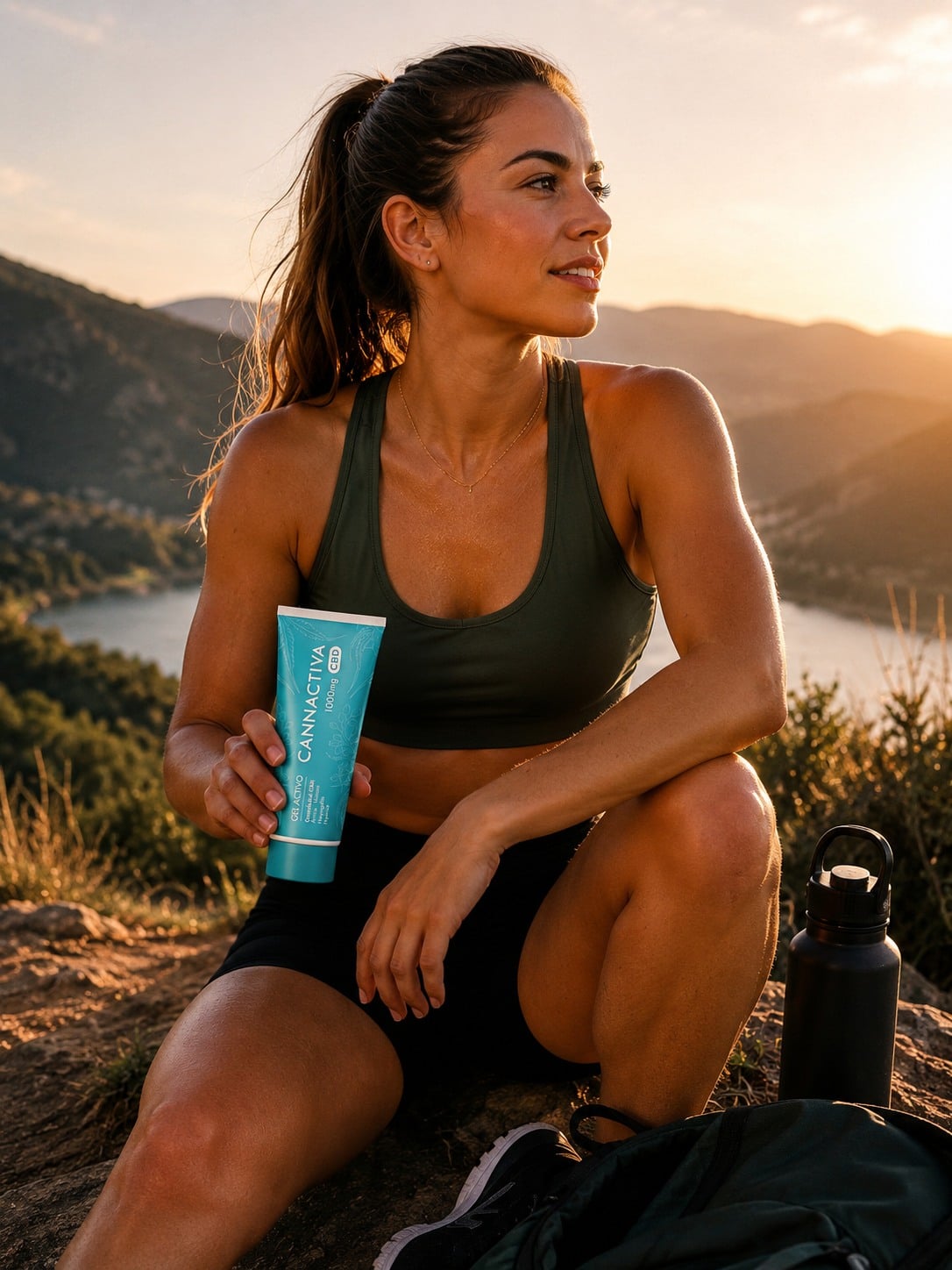
Benefits of CBD for athletes: what the evidence says
The scientific evidence on CBD and sport is still developing, but the available studies already offer interesting data on its possible applications in endurance, strength and impact sports. Research suggests that CBD could provide benefits related to:
- Reduced muscle inflammation
- Relief from pain
- Improved sleep
- Managing pre-competition stress and anxiety
- Antioxidant action against the oxidative stress generated by intense exercise
Some recent studies suggest that CBD may help make exercise feel less exhausting and reduce the sensation of fatigue, without impairing physical performance. It has also been observed that it might reduce delayed-onset muscle soreness (DOMS) and help athletes feel better recovered after training, although results can vary from one person to another (1).
Does CBD improve sports performance?
It is the most frequently asked question, and the honest answer is nuanced: CBD does not directly improve sports performance. That is, it does not increase strength, power or aerobic capacity, and the available evidence does not support an ergogenic effect in itself.
Where it can help is in indirectly improving sports performance: by supporting rest, helping to manage perceived pain and inflammation and reducing pre-competition stress, CBD can contribute to better recovery between sessions and greater training consistency. And that consistency is, in the medium term, what truly sustains performance. We look at this in detail in the sections that follow.
How CBD acts in an athlete's body
CBD interacts with the endocannabinoid system, a kind of internal “control centre” that helps regulate pain, inflammation, sleep and the body's balance. In sport this matters because it is not located in a single place: its receptors are spread throughout the nervous system, muscles, joints and immune system, exactly where the tension and wear of training accumulate.
CBD interacts with this system without producing a psychoactive effect, influencing several pathways at once:
- In the nervous system (CB1 receptors), CBD is linked to a lower sensation of pain and better rest.
- In the joints and immune tissue (CB2 receptors) it is associated with less inflammation.
- In the nerve endings (TRPV1 receptors) it takes part in controlling more intense or stabbing pain (so-called neuropathic pain).
- In the serotonin system —the well-being molecule— (5-HT1A receptors) it is linked to less anxiety and stress.
The fact that it acts on several fronts at the same time is what explains why CBD can simultaneously influence how you recover, how you rest and how you feel after training.
CBD and muscle recovery after training
Muscle recovery is one of the most widespread uses of CBD among athletes. After intense training or competition, the body suffers micro-injuries and inflammation, and some studies suggest that CBD —occasional or ongoing— may help reduce muscle damage without negatively affecting strength (2).
In general, CBD may help you recover better between sessions and face the next training session with fewer aches. We develop this topic in depth in our specific guide on CBD and muscle recovery.
CBD to reduce muscle and joint pain
Muscle and joint pain is common in sport. CBD may help reduce inflammation and muscle pain after intense training, especially the kind that places a heavy load on the muscles, without affecting immediate sports performance (3).
Some athletes use CBD as a complement for:
- Chronic muscle pain
- Joint discomfort
- Overloads from repetitive training
For this reason, some athletes explore it as a natural complement to the recurrent use of non-steroidal anti-inflammatory drugs (NSAIDs) such as ibuprofen, although CBD does not replace them or fulfil the same therapeutic role. We go deeper into this comparison in our guide on CBD, ibuprofen and other NSAIDs.
Beyond this section, see more on the specific use of CBD for muscle pain. It is important to stress that CBD does not replace medical treatment, but it can be part of an integrated well-being approach.
CBD, competition anxiety and the runner's high
Competitive pressure, overtraining and mental demands can create stress and anxiety, especially in individual or high-level sports. Some athletes turn to CBD to regulate mood, reduce pre-competition anxiety and improve focus (6).
After exercise, levels of anandamide rise —an endocannabinoid produced by the body itself and linked to the feeling of well-being known as the “runner's high” (7). The word anandamide comes from Sanskrit and means “bliss”: it plays a key role in reducing stress and improving mood.
CBD may enhance this post-exercise well-being, since it helps prolong the effect of anandamide by preventing its premature breakdown, promoting states of calm, emotional balance and satisfaction after physical activity (8). More details on CBD for anxiety in our dedicated guide.
CBD, sleep and rest for athletes
Rest is key to performance. Poor sleep affects recovery and focus and increases the risk of injury.
Among the possible benefits of CBD in sport are improved sleep quality, reduced occasional insomnia and relaxation after demanding training sessions (4, 5).
For this reason, CBD and sports performance are closely linked through more restorative rest. If you want to go deeper, we have a dedicated guide on CBD for sleep.
What science does not yet clearly support about CBD in athletes
Despite growing interest, research on CBD and sport is still in its early stages. As things stand, there is no solid evidence that CBD:
- Directly increases strength or anaerobic performance
- Improves aerobic performance in controlled trials
- Has a clear mechanism of action in skeletal muscle in humans
What current studies do show is a favourable safety profile and possible indirect benefits through pain, inflammation, sleep and stress management — benefits that can translate into better consistency in training.
Various academic centres —including the University of Sydney and University College London— have active research programmes on cannabinoids and sports performance, so it is reasonable to expect new evidence in the coming years. As with any supplement, individual response varies and it is worth observing how your body reacts during the first few weeks.
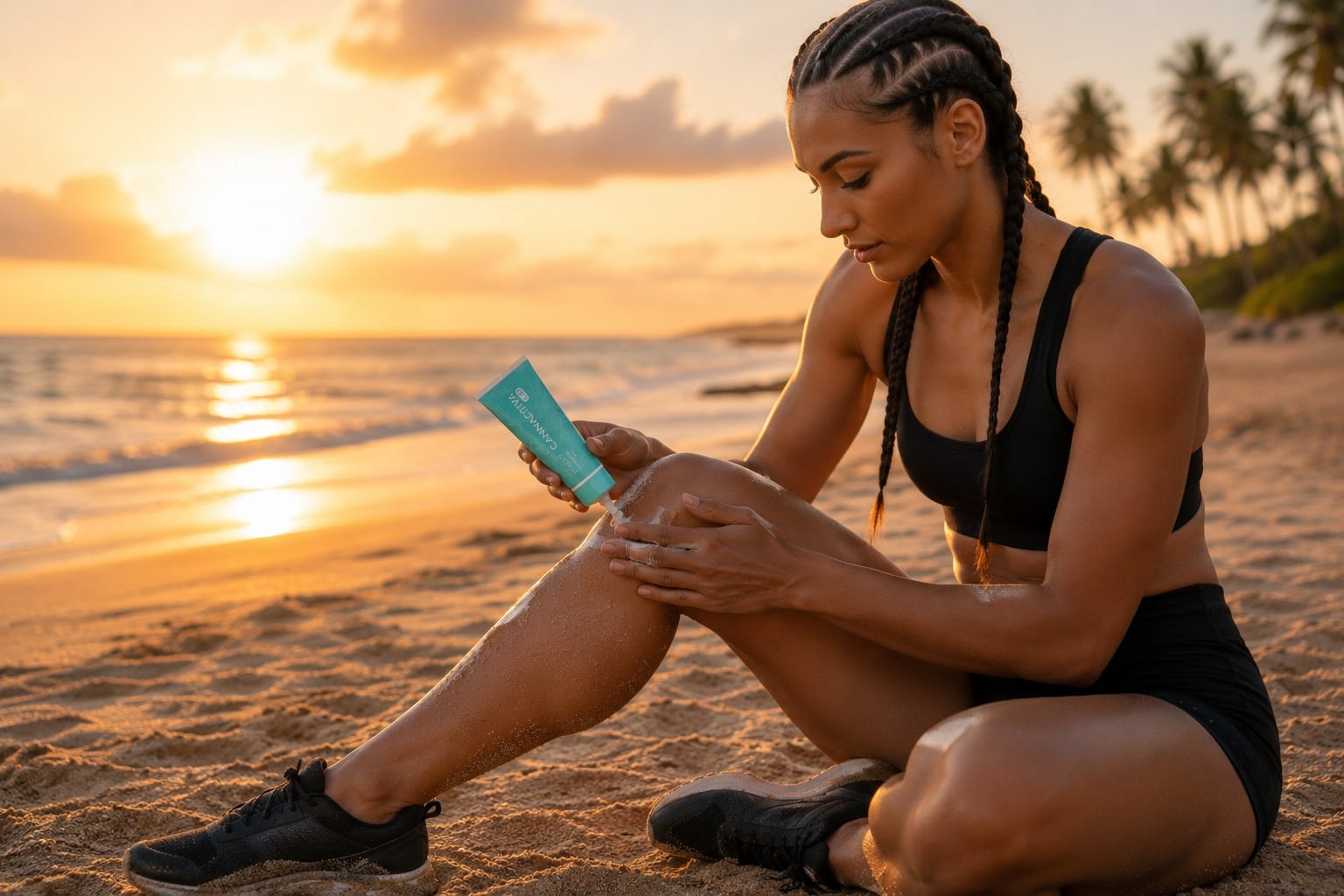
How to use CBD in a sports routine: formats and timing
There is no single way to use CBD, as it depends on the goal and on each athlete. The most common forms are:
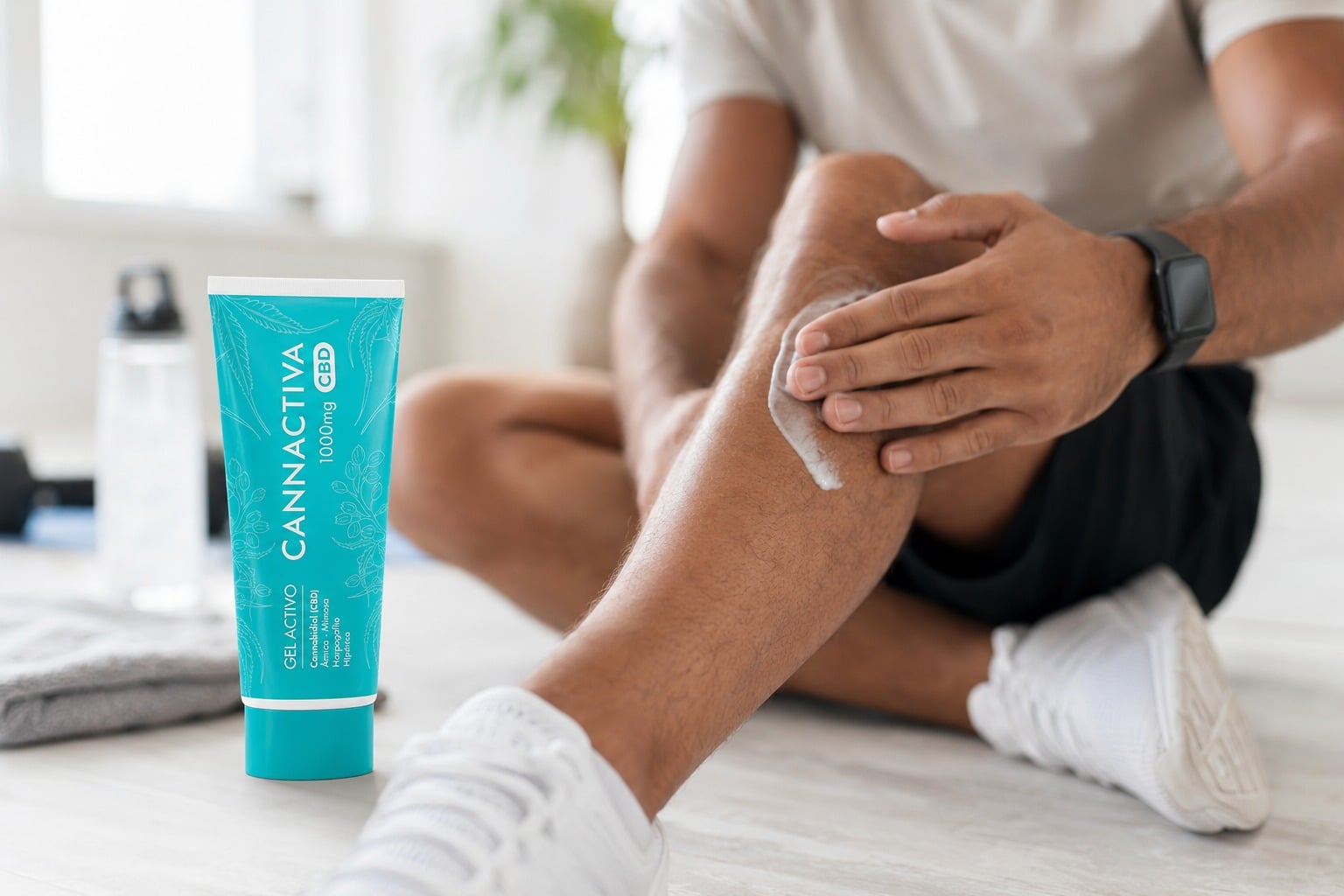
- Topical creams and balms (CBD Physiotherapy Cream) — for targeted application on the muscle area
- CBD Massage Oil — combines massage with CBD on the area being worked
- Specific gels or packs for athletes (Physio Pack) — combine CBD cream and oil in a single product
- CBD oils (CBD oil) — the most versatile format within the wellness range. Used as drops.
As for timing, each athlete arranges their routine in their own way. Topical use is the most widespread in sport: creams, balms and CBD massage oil are applied directly to overloaded areas, especially during or after training. Other athletes opt for CBD oils taken orally or sublingually, seeking a more general effect with somewhat faster absorption, usually at night as part of their rest.
As a nutritional complement, hemp protein shakes are also used by some athletes to support recovery, although they are not strictly part of the CBD cluster.
Which type of athlete finds CBD most useful?
CBD has become popular across very different disciplines. Each profile tends to make the most of a different benefit:
- Runners and endurance sports (marathon, trail, triathlon, ultra-distance): managing accumulated joint pain, restorative rest between long sessions and possible prolongation of the “runner's high”. This is the profile where topical use on overloaded areas has become most popular.
- CrossFit and strength training: recovery between intense WODs, DOMS and sleep quality for protein synthesis
- Cycling: muscle overloads in the calves and quads, accumulated fatigue on long stages
- Gym, fitness and hypertrophy routines: post-session muscle recovery, rest for muscle regeneration
- Combat and contact sports: relief from impact pain, managing pre-competition stress
Athletes who have spoken openly about CBD
In recent years, several professional athletes have publicly mentioned using CBD as part of their recovery routines. In Spain, well-known cases include Gemma Corbera, a professional Mountain Bike rider, Aritz Aranburu, a professional surfer, and Josito Aragón, Spanish Snowboard Champion.
Internationally, in markets with more permissive legal frameworks, athletes such as Eugene Monroe (NFL, retired), Tony Hawk (skateboarding) and Megan Rapinoe (football) have also spoken openly about it.
Although individual testimonies are not scientific evidence, their statements reflect a cultural shift in the perception of CBD within professional sport, in line with WADA's own decision to remove it from its list in 2018.
What dose of CBD do athletes take?
There is no standard dose. The general recommendation is to:
- Start with low doses
- Increase gradually according to tolerance and perceived effects
- Consult a healthcare professional
Each body responds differently to cannabidiol. In our guide to the optimal CBD dose we go deeper into how to find your individual range.
Can CBD cause side effects?
In general, CBD is a well-tolerated compound: the side effects described —drowsiness, dry mouth or mild digestive discomfort— tend to appear at high doses. Caution is advisable if you take other medication, because of the possible risk of interactions. We cover this in our guide on CBD side effects.
CBD vs THC in athletes: the difference that matters for anti-doping
It is essential to understand the differences between CBD and THC in athletes, since sports regulations are especially strict.
THC, the main psychoactive compound in cannabis, can affect coordination, focus and reaction time. It is also banned by the World Anti-Doping Agency (WADA).
By contrast, CBD is non-psychoactive and is not banned by WADA (since 2018), provided the product is THC-free or contains only traces within legal limits. In fact, ahead of the Paris 2024 Games, WADA raised the THC detection threshold in urine from 15 to 150 ng/mL, allowing a little more margin against accidental exposure —although THC remains a substance prohibited in competition.
Is CBD legal for athletes in Spain and Europe?
In Spain, CBD derived from industrial hemp is legal provided it comes from EU-certified varieties and respects the THC limits of European regulations. What is not yet harmonised is its use orally: that is why products are marketed for topical, cosmetic and wellness use, and it is best to buy them from brands that publish their laboratory analyses (CoA) and guarantee the exact composition.
At a European level, the starting point was set by the Court of Justice of the EU in the Kanavape (2020) ruling, which made clear that CBD is not a narcotic and can move freely between Member States. However, when CBD is intended to be ingested, the novel foods (Novel Food) regulation comes into play: since 2019 it has been listed in the European catalogue as a “novel food”, which requires prior authorisation before it can be sold as a food or supplement. The EFSA (European Food Safety Authority) is assessing these applications and is currently keeping them on hold, considering that there is still insufficient data to confirm their safety. That is the underlying reason why, today, most CBD oils are sold for external use and not as a supplement.
For professional or federated athletes, avoiding any trace of THC is essential to avoid risks in anti-doping controls.
Here comes a critical point: the risk of cross-contamination. Independent analyses have detected traces of THC in poorly labelled CBD products (including some sold as “0% THC”). For an athlete subject to anti-doping controls, even a minimal amount can be enough for a positive. That is why it is worth understanding the differences between Full Spectrum, Broad Spectrum and isolate oil: athletes in federated competition tend to opt for THC-free broad spectrum or CBD isolate from brands with verified traceability.
In summary: is CBD worth it if you train?
CBD for athletes has established itself as an increasingly popular option within sport and well-being. Its possible benefits for muscle recovery, sleep, pain and stress make it an interesting complement for both professional and amateur athletes.
Even so, it is essential to be well informed, choose safe products with laboratory analyses and understand that cannabidiol does not replace good training, rest and nutrition planning.
Used responsibly and within the legal framework, CBD in sport in Spain and Europe will remain a key topic in the coming years.
Frequently asked questions about CBD for athletes
Is CBD allowed in sport or considered doping?
CBD is allowed in sport and has not been on WADA's list of prohibited substances since 2018. However, other cannabinoids derived from cannabis, especially THC, are banned in competition.
Can I test positive in an anti-doping control by using CBD?
CBD on its own does not produce a positive in an anti-doping control, but there is a risk if the product contains traces of THC above the permitted level. For example, CBD flowers, CBD hash, CBD vapes and full spectrum CBD oils contain traces of THC. Some poorly labelled products can cause a positive: that is why it is essential to use products with certified laboratory analyses.
What benefits does CBD have for athletes?
CBD for athletes is used mainly to support muscle recovery, reduce inflammation and pain, improve sleep quality and help manage physical and mental stress. Although it does not directly improve performance, these effects can positively influence overall well-being and training consistency.
How is CBD used for training and what dose is recommended?
There is no single protocol for CBD in athletes. In sport, the most widely used format is topical —creams, balms and CBD massage oil applied to the overloaded area—, especially after training. There are also CBD sports drinks, CBD oils and gummies, but it is worth remembering that over-the-counter CBD products in Europe are marketed for external use and not as a food supplement.
Can amateur athletes use CBD safely?
Yes, and in fact it is one of the profiles that benefits most, thanks to its versatility and good tolerance profile. CBD creams and CBD massage oil are perfect for massages and the toning sensation on tired legs after running or training. And those looking to support rest often add CBD oils to their evening routine. As always, it is best to start slowly, choose products with laboratory analyses (CoA) and, if you take any medication, discuss it with a professional first.
References
- Bezuglov, E., Achkasov, E., Rudiakova, E., Shurygin, V., Malyakin, G., Svistunov, D., Butovskiy, M., Fedorova, A., & Kapralova, E. (2024). The Effect of Cannabidiol on Performance and Post-Load Recovery among Healthy and Physically Active Individuals: A Systematic Review. Nutrients, 16(17), 2840.
- Isenmann, E., Veit, S., Flenker, U., Lesch, A., Lachenmeier, D. W., & Diel, P. (2024). Influence of short-term chronic oral cannabidiol application on muscle recovery and performance after an intensive training protocol — a randomized double-blind crossover study. Journal of the International Society of Sports Nutrition, 21(1), 2337252.
- Stone, W. J., Tolusso, D. V., Pancheco, G., Brgoch, S., & Nguyen, V. T. (2023). A Pilot Study on Cannabidiol (CBD) and Eccentric Exercise: Impact on Inflammation, Performance, and Pain. International Journal of Exercise Science, 16(2), 109–117.
- Ranum, R. M., Whipple, M. O., Croghan, I., Bauer, B., Toussaint, L. L., & Vincent, A. (2023). Use of Cannabidiol in the Management of Insomnia: A Systematic Review. Cannabis and Cannabinoid Research, 8(2), 213–229.
- Mondino, A., Cavelli, M., González, J., Murillo-Rodriguez, E., Torterolo, P., & Falconi, A. (2021). Effects of Cannabis Consumption on Sleep. Advances in Experimental Medicine and Biology, 1297, 147–162.
- Narayan, A. J., Downey, L. A., Manning, B., & Hayley, A. C. (2022). Cannabinoid treatments for anxiety: A systematic review and consideration of the impact of sleep disturbance. Neuroscience and Biobehavioral Reviews, 143, 104941.
- Siebers, M., Biedermann, S. V., & Fuss, J. (2023). Do Endocannabinoids Cause the Runner's High? Evidence and Open Questions. The Neuroscientist, 29(3), 352–369.
- Rojas-Valverde, D., & Fallas-Campos, A. (2023). Cannabidiol in sports: insights on how CBD could improve performance and recovery. Frontiers in Pharmacology, 14, 1210202.
Disclaimer
This article is for informational purposes only and does not constitute medical advice. The information provided here may complement, but can never replace, the diagnosis or treatment of a healthcare professional. If you compete at a federated or professional level, consult your sports physician and check the current anti-doping regulations before adding CBD to your routine. Cannactiva products are not medicines: they are marketed in accordance with European regulations for external, aromatic or ornamental use. Research on CBD continues to evolve and new evidence may have emerged since the publication date.


