
Since ancient times, various cultures around the world have used incense as a tool for cleansing rituals, spiritual connection and purification of spaces. Nowadays, sahumerios have transcended their ritual roots and are used in meditations, as a tool to relax and connect with oneself. A sahumerio is a bundle of dried herbs, commonly known as fire plants, such as white sage, rosemary or mugwort, which is burned to release an aromatic smoke charged with purifying and symbolic properties.
In reality, it is much more than an incense of dried herbs: the origin of sahumerios is deeply rooted in indigenous and syncretic traditions, which use the smoke of specific plants to renew energies and approach the sacred.
The 3 key ideas
- A smudge stick is a bundle of dried herbs (white sage, rosemary, mugwort) that is burned to release an aromatic smoke used in cleansing, meditation and space-purifying rituals.
- Light the tip, blow out the flame and let it smoulder over a heat-resistant dish; never put it out with water and don't inhale the smoke directly.
- It has ancestral roots in the Indigenous cultures of Mesoamerica, North America and the Andes, where the smoke symbolised the bridge between the earthly and the sacred.
What is a smudge stick?
A smudge stick (sahumerio) is a bundle of dried herbs —often called "fire plants", such as white sage, rosemary or mugwort— that is burned slowly to release an aromatic smoke full of purifying, symbolic properties. Unlike a commercial stick or cone incense, a smudge stick contains no binders, added resins or artificial fragrances: it is the whole plant burning slowly.
More than an air freshener, it works as a sensory anchor: its aroma marks a break with what came before and opens up a different space for calm, introspection or meditation.
What are smudge sticks used for?
Today, far from any mysticism, smudge sticks are used for one simple reason: the aroma transforms the atmosphere of a space and helps focus attention. These are their most common uses:
- Refreshing a space: after a move, a deep clean or a long week, the smoke changes the atmosphere of any room.
- Accompanying meditation: the intense aroma helps you concentrate; lighting it becomes the gesture that marks the start of your practice.
- Setting the mood: some people light it to read, to work with focus or to welcome guests at home.
- Cleansing and connection rituals: in many traditions the smoke is used to "cleanse" energies and reinforce an intention.
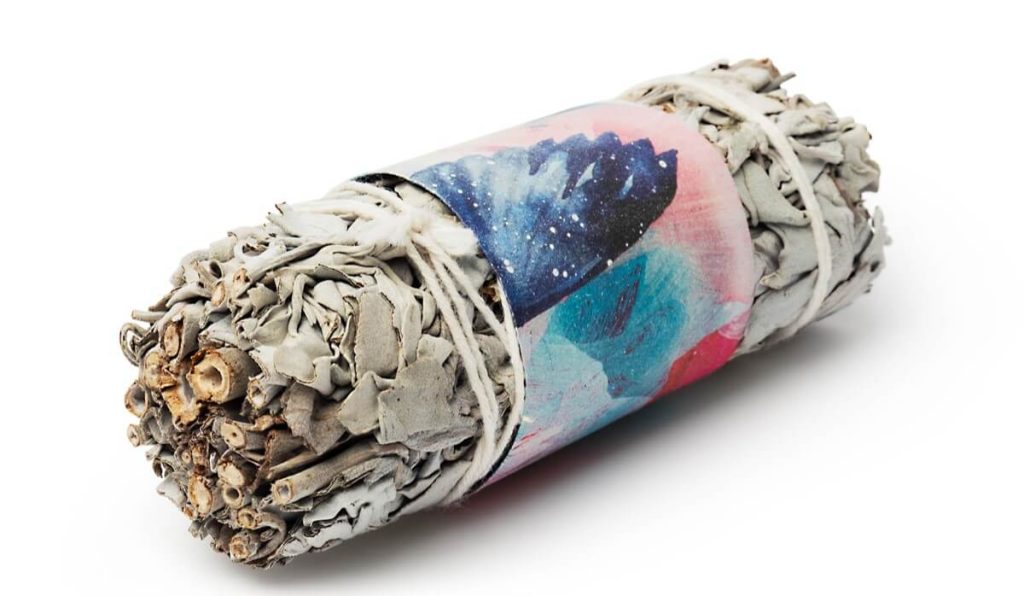
White sage incense comes from the sacred Salvia apiana plant native to the arid regions of the southwestern United States and northwestern Mexico, and is traditionally used by indigenous cultures such as the Chumash, Navajo and Hopi. Recognized for its purifying properties, its smoke is used in spiritual cleansing rituals, to protect spaces and connect with the spiritual world. Its fresh and penetrating aroma is considered a powerful tool for meditation and introspection, and its use is ritualized, respecting its cultural origin and symbolic value. White sage has transcended borders and is now widely used in modern spiritual practices, although it is essential to honor its traditional and cultural context.
Types of smudge sticks
Although white sage is the best known, there are many varieties depending on the plant or resin that is burned:
- White sage (Salvia apiana): the most popular, with an intense, earthy herbal aroma. It comes from the southwestern US and northwestern Mexico, and is the base of the smudge stick we make at Cannactiva.
- Rosemary: a fresh, stimulating aroma, associated with clarity and protection.
- Mugwort: traditional in sleep and introspection rituals.
- Palo santo: an aromatic South American wood, with a sweet, citrusy smoke.
- Copal: a Mesoamerican resin often added to intensify the purification.
- Lavender, rue or pirul: used alone or blended for different aromatic nuances.
How to use the sahumerio
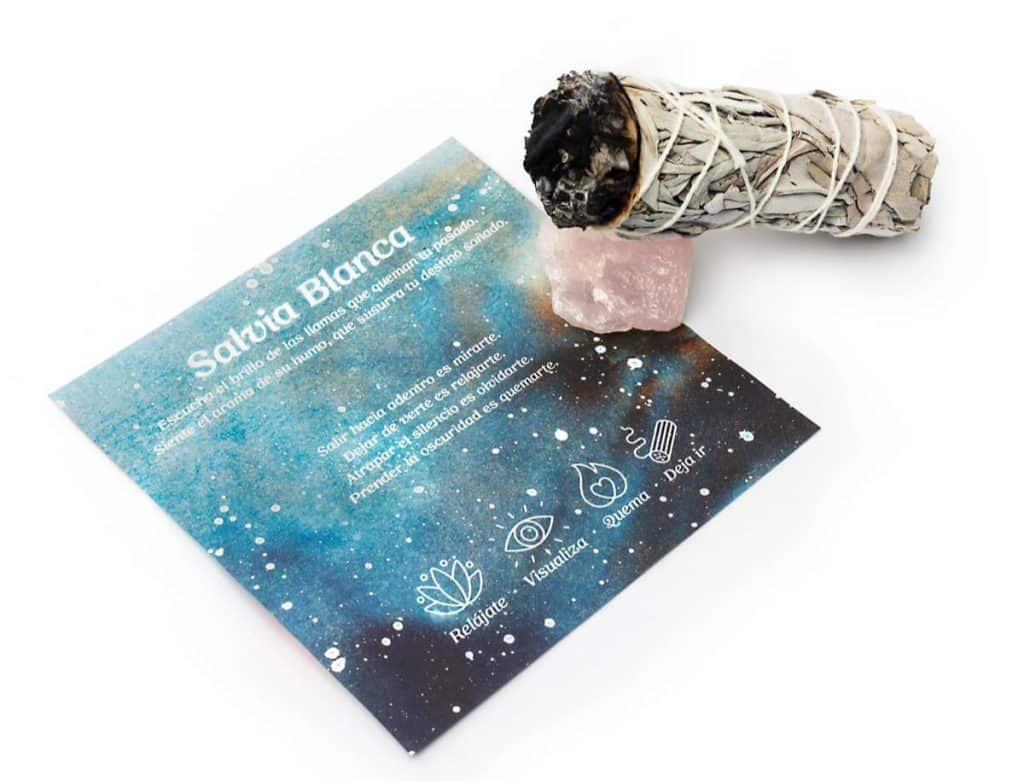
This season, at Cannactiva we have prepared a special gift: a white sage incense. Below, we briefly explain the basic instructions for its use:
- Light the tip of the incense until it ignites and then gently extinguish the flame to keep it smoking. Do not remove the cord that holds the bundle, it will burn along with the herbs.
- Place the smoldering bouquet on a plate, ashtray or heat-resistant surface.
- Let the smoke envelop the space, cleansing the environment with the purifying aroma. If you prefer, guide the smoke with gentle movements, accompanying it with intention.
- Once you have finished using the incense, carefully extinguish it. You can press the smoking tip against a sturdy container or dip it briefly in sand. Do not leave the burning incense unattended and avoid inhaling the smoke directly.
In many traditions, before being used, the incense is blessed or consecrated through prayers, chants or invocations to deities and protective spirits. This step connects the intentions of the user with the purpose of the ritual. For example, in Andean cultures, it is common to invoke the Pachamama (Mother Earth) and protective spirits to guide the smoke and reinforce the purpose of the ritual.
It is advisable to use the incense at a relaxed and calm time of the day, when you can pay attention to the ritual of lighting and using it. The Cannactiva meditation cushion can be the complement you need if you want a moment of meditation and connection during the use of the incense.
Traditionally, ashes are kept or returned to the earth as a symbol of respect. The plants, nature and spiritual energies are thanked for their help and protection. Many traditions suggest a few moments of silence after the ritual, allowing the purification and intentions to settle.
Smudge stick, palo santo and incense: the differences
They are often confused, but they are not the same:
- Smudge stick: a bundle of whole dried herbs, with no binders. Dense, herbal smoke. It can be lit and put out several times.
- Palo santo: a piece of aromatic wood (Bursera graveolens). Sweeter, citrusy smoke; you burn the wood, not herbs.
- Incense (stick or cone): a paste of aromatic powders pressed with a binder and, often, added fragrances. It is the most processed of the three.
The smudge stick stands out for being the plant in its purest state, with no additives.
The origin of incense: an anthropological perspective
The use of incense goes back to ancient times and is deeply rooted in the ritual practices of numerous indigenous cultures in Mesoamerica, North America and other regions of the world. In Mesoamerica, native peoples such as the Nahua, Maya and Zapotec used plants known as "fire plants" - including white sage, rosemary, mugwort, rue, pirul, lavender and manrrubio - for their purifying and symbolic properties. These plants were essential in ceremonies designed to cleanse "bad air", ward off negative energies and establish a harmonious connection between human beings, nature and the cosmos. In the Andes, plants such as tola (Parastrephia quadrangularis) and copa copa(Artemisia copa) were also used as part of rituals to purify spaces and protect communities.
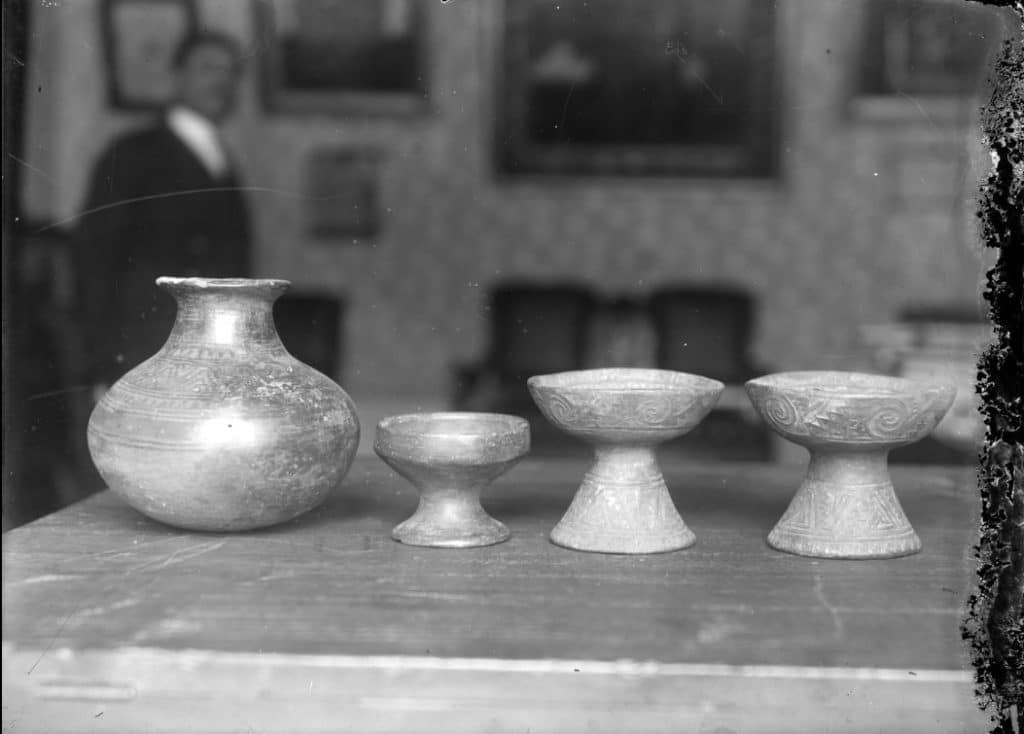
In these cultures, shamans and healers used sahumerios as spiritual tools to invoke the protection of deities, balance energies and transport prayers through smoke. The ritual, which involved burning these plants in special containers or bundles, transformed the smoke into a symbolic bridge between the earthly and the divine. Similarly, in North American Indian traditions, spiritual leaders performed "cleansings" with bunches of white sage and other herbs, guiding the smoke with feathers to purify people, objects and spaces, strengthening the spiritual connection. Often copal (resin) is added to the sahumerios to intensify the purification.
In Andean communities, many of these plants continue to be used not only in religious contexts but also as a symbol of cultural identity and connection with their ancestors. In these cultures, the smoke generated by sahumerios, especially during ceremonies such as offerings to Pachamama, symbolized the connection between people and the sacred forces of nature.
With the arrival of the European colonizers, the cultural syncretism between indigenous traditions and Christianity transformed and adapted the use of incense burners. These became part of Christian ceremonies such as blessings and religious celebrations, integrating copal and incense in Catholic rituals. This adaptation not only allowed the continuity of the practice, but also added new spiritual meanings over time.
Today, sahumerios have transcended their ritual roots and continue to be a tool for meditation, relaxation and self-connection. It is essential to maintain reverence for traditions, remembering that sahumerios are much more than just aromatic plants or herbal incenses: they represent a cultural legacy of respect for nature and spirit.
Ritual smoke is not unique to smudge sticks. Throughout history many plants have accompanied ceremonies and remedies, as we explain in our history of cannabis.
Many of those plants also had therapeutic uses, gathered in the medicinal uses of cannabis throughout history.
And if you're drawn to the more ancestral side of wellness, you might also enjoy the summer solstice, an ancestral journey towards well-being.
Frequently asked questions
What is burning white sage good for?
Its intense, herbal smoke is used to refresh the atmosphere of a space and as a sensory anchor that helps you focus before meditating or relaxing.
Is a smudge stick the same as palo santo?
No. A smudge stick is a bundle of dried herbs; palo santo is a piece of aromatic wood. The smoke and the aroma are different.
How do you put out a smudge stick?
Press the lit tip against a ceramic bowl, a shell or sand until it stops smoking. Never use water, as moisture ruins the remaining leaves.
How long does a white sage smudge stick last?
An 8-10 cm one can last up to 2 hours of continuous use; since it can be put out and relit, it lasts for several sessions.

We hope you like this gift we are giving away on the occasion of Cannactiva's Winter Season's Greetings, a big hug from all the Cannactiva team!
More information about the sahumerios
- Botanical Codex of Mexico: Contains illustrations and descriptions of various plants used in rituals, including fire herbs.
- Codex Borbonicus: Another codex on aspects of Maya ritual life, including the use of sahumerios.
- Photographic Archive of the National Institute of Anthropology and History (INAH)


