Tetrahydrocannabinol or THC: Marijuana's psychoactive component

The cannabis plant is one of the first plants cultivated by man. It is known to have been used as food, medicine and in religious rituals for more than two millennia (1, 2). As we will see in this paper, the compounds it produces, especially THC, have had a lot to do with the use of the plant.
THC: The Psychoactive Compound in Marijuana
What is THC?
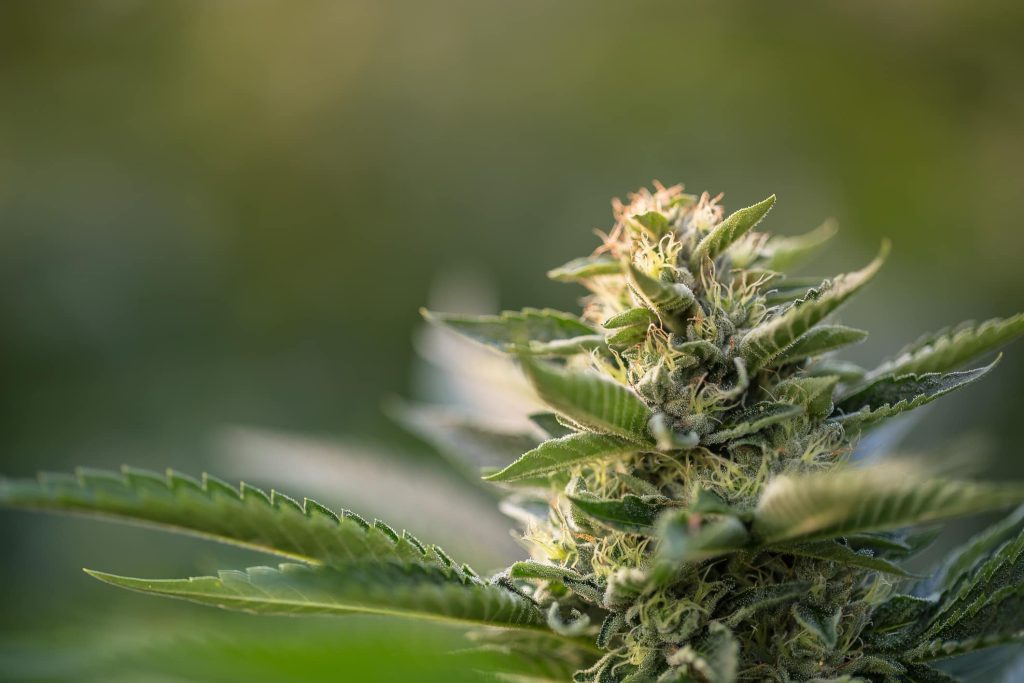
Tetrahydrocannabinol, better known as THC, is a type of cannabinoid that is type of cannabinoid and the main psychoactive component found in the cannabis plant. Its full name is delta-9-tetrahydrocannabinol, abbreviated as delta-9-THC, which corresponds to the best known and most studied form of THC.
When was THC discovered?
THC was isolated from the Cannabis plant in 1964 by the famous researcher Raphael Mechoulam.
Where is THC found in the plant?
THC, as well as other cannabinoids and terpenes in terpenes in cannabisis found in the trichomes glandular trichomes of the Cannabis flower. These trichomes are more abundant in plants with unfertilized female flowers (10). Through a complicated process occurring in the trichomes (called cannabinoid biosynthesis), cannabinoids are cannabinoid biosynthesis ), the terpenoids and phytocannabinoids are formed from a common precursor, geranyl pyrophosphate (11).
This process will give rise to cannabinoids in their cannabinoids in their acid form expressed as an "A" at the end of the cannabinoid name. Therefore, delta-9-tetrahydrocannabinolic acid (THCA) is the compound found naturally in the plant. While this molecule by itself may generate a response in the body, subjection to heat will cause decarboxylation to occur. decarboxylation and lose the acidic property, becoming the potent bioactive neutral molecule we know as THC.
What is the THC concentration of marijuana?
More than 100 phytocannabinoids have been identified in Cannabis flowers to date, including delta-9-tetrahydrocannabinol (THC), cannabidiol (CBD),cannabidiol (CBD), cannabinol (CBN), cannabigerol (CBG)cannabichromene (CBC), tetrahydrocannabivarin (THCV), cannabidivarin (CBDV), cannabinediol (CBND), cannabinidiol (CBDL), among others (4). Of these, THC is the one found in the highest proportion and to which the psychoactive effect of the plant is attributed.
The concentration of tetrahydrocannabinol in cannabis plants may differ from one variety to another, but generally remains above 18% THC for commercial purposes. This percentage is the result of plant breeding over the years to produce chemotypes or strains rich in THC to enhance their effects on users (12).
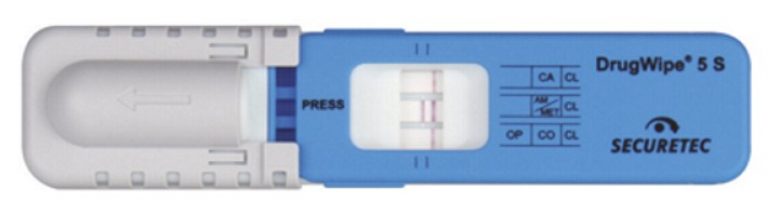
In the same way, nowadays, the following types of marijuana have been developed types of marijuana with a very low tetrahydrocannabinol content. That is why you can buy CBD cannabis flowers in many countries in Europe, being advertised as "legal marijuana", because they keep THC levels below the legal limit (between 0.2 and 1%, depending on the country).
Phytocannabinoids such as THC are chemicals that have the ability to interact with the endocannabinoid system. endocannabinoid system . They are not exclusive to cannabis, but can also be found in plants such as cannabis. Echinacea (E. purpurea, E. angustifolia and E. pallida), Sechuan flower or electric flower ( Acmella oleracea), paper flower ( Helichrysum umbraculigerum) and hepatica or radula (Radula marginata; 3).
Effects of THC
How does THC work?
Cannabis sativa is a plant of diverse tonalities that stands out among others due to its aroma, a particularity given to it by certain chemical substances present in its flower. These substances, called terpenes and terpenoids, together with phytocannabinoids, are the main components of the cannabis flower and are attributed with therapeutic and psychoactive effects.
Tetrahydrocannabinol is the phytocannabinoid responsible for the psychoactive effect of the Cannabis plant. This effect occurs because THC is a partial agonist of cannabinoid receptor 1 (CB1) and cannabinoid receptor 2 (CB2).
By exhibiting this affinity, THC activates the endocannabinoid system and triggers mechanisms to produce neurobehavioral signs.
What does it mean that THC is psychoactive?
Any substance that produces an altered state of consciousness or affects mental activity is considered psychoactive. Tetrahydrocannabinol, for example, produces signs or symptoms that include reduced mobility, hypothermia, analgesia and sedation, which is what is defined as the cannabinoid tetrad (6).
The entourage effect and THC
The effect of cannabis is not only due to the fact that THC binds to endocannabinoid receptors. endocannabinoid receptors (CB1 and CB2). Its potency is said to be linked to the terpenes and terpenoids also found in the flower. The herbal synergy (7) resulting from the combination of all the components that make up the cannabis plant result in the entourage effect (entourage effect).
The entourage effect refers to the potentiation or diminution of the effectiveness of cannabis when its various components act together.
For example, the effectiveness of cannabis oil oil to treat acne may not only be due to the presence of cannabinoids, but also to its synergy with limonene a terpenoid present in cannabis flowers and known for its antibacterial action. Another example is that the presence of CBD or cannabidiol in the cannabis plant reduces the side effects that can occur when THC alone is administered (8).
In the Cannabis plant, the entourage effect is due to the fact that it contains more than 500 terpenes, terpenoids and cannabinoids (9), which give rise to the possibility of many combinations capable of modulating the effect of THC. For this reason, its reproduction in the laboratory is not feasible and, consequently, the entourage effect remains a hypothesis.
The fact that the entourage effect cannot be reproduced artificially is evidence that natural products can be powerful tools that science cannot accurately measure.
THC Uses: Therapeutic Potential of Marijuana
In the past, even before the isolation of THC, marijuana plants had more balanced concentrations of phytocannabinoids and, perhaps because of this, had better therapeutic effects. While now with such potent plants, marijuana has been scientifically linked to negative effects, all is not lost. Medical cannabis is still a concept that remains valid, as there are some effects that continue to benefit users.
THC in the brain can function as an anti-inflammatory agent (13, 14), generate mild bronchodilator activity (15, 16) and be used as an analgesic (16, 17). However, their use should be subject to a strict risk-benefit assessment, ideally under the supervision of a health professional.
Long-term regular use of high-THC marijuana can produce irreversible damage as a result of the effect of THC on the brain.
THC as a treatment
What diseases is marijuana used for?
Although THC is a risk agent for neuronal function, its use is encouraged to alleviate complex conditions for which there are no effective treatments.
Some of these conditions are multiple sclerosis, neuropathic pain and fibromyalgia. Likewise, cannabis can be a palliative treatment to alleviate the effects of chemotherapy, Cannabis can also be a palliative treatment to alleviate the effects of chemotherapy in cancer patients (18). in cancer patients (18).
The use of cannabis for other diseases, or for recreational purposes, is recommended to be carried out with strains containing low concentrations of THC.
Cannabis plants predominantly rich in CBD, with very low THC levels, such as hemp, avoid the unwanted psychoactive effects that marijuana can produce.
Approved medicinal uses for THC
- Chronic pain (19, 20)
- Multiple sclerosis (21)
- Pain, nausea and vomiting due to chemotherapy (22, 23).
- Fibromyalgia treatment (24)
- Rescue analgesia after surgery (25). Needs close monitoring by a health professional.
- Improved appetite (26)
What are the long-term effects of THC?
What happens when marijuana is consumed regularly is not exactly what you would want for your brain. While in the short term cannabis can generate pleasant and pleasurable sensations, there are also mental health risks due to chronic THC use. Keep in mind that the beneficial and risky effects of marijuana on the brain vary from person to person. It can certainly prove to be a supportive tool for people with cancer, multiple sclerosis, fibromyalgia or chronic pain; but in the end it is up to the physician to decide if it can help any disease.
Much remains to be discovered about THC and cannabis
The composition of cannabis flowers is complex and difficult to fully characterize. All cannabis plants, regardless of whether they are of the same strain or chemotype, will have some degree of disparity between them, as the formation of terpenes, terpenoids and cannabinoids will depend on soil quality, environmental growing conditions and the particular phenotype.
The cannabis plant began to be studied in greater detail after the isolation of THC, but its intricate composition offers a wide range of possibilities that continue to be the subject of research today.
* This post is in memory of the father of cannabinoid science, Professor Raphael Mechoulam who passed away last March 10, 2023.
References
- Cohen, K., Weizman, A., & Weinstein, A. (2019). Positive and Negative Effects of Cannabis and Cannabinoids on Health. Clinical pharmacology and therapeutics, 105(5), 1139-1147. https://doi.org/10.1002/cpt.1381
- Russo E. B. (2007). History of cannabis and its preparations in saga, science, and sobriquet. Chemistry & biodiversity, 4(8), 1614-1648. https://doi.org/10.1002/cbdv.200790144
- Messina, F., Rosati, O., Curini, M & Marcotullio, M.C. (2015) Chapter 2 - Cannabis and Bioactive Cannabinoids. Studies in Natural Products Chemistry. Elsevier. Pages 17-57, https://doi.org/10.1016/B978-0-444-63473-3.00002-2
- Salami, S. A., Martinelli, F., Giovino, A., Bachari, A., Arad, N., & Mantri, N. (2020). It Is Our Turn to Get Cannabis High: Put Cannabinoids in Food and Health Baskets. Molecules (Basel, Switzerland), 25(18), 4036. https://doi.org/10.3390/molecules25184036
- Tagen, M., & Klumpers, L. E. (2022). Review of delta-8-tetrahydrocannabinol (Δ8 -THC): Comparative pharmacology with Δ9 -THC. British journal of pharmacology, 179(15), 3915-3933. https://doi.org/10.1111/bph.15865
- Wiley, J. L., & Martin, B. R. (2003). Cannabinoid pharmacological properties common to other centrally acting drugs. European journal of pharmacology, 471(3), 185-193. https://doi.org/10.1016/s0014-2999(03)01856-9
- Williamson E. M. (2001). Synergy and other interactions in phytomedicines. Phytomedicine : international journal of phytotherapy and phytopharmacology, 8(5), 401-409. https://doi.org/10.1078/0944-7113-00060
- Russo, E., & Guy, G. W. (2006). A tale of two cannabinoids: the therapeutic rationale for combining tetrahydrocannabinol and cannabidiol. Medical hypotheses, 66(2), 234-246. https://doi.org/10.1016/j.mehy.2005.08.026
- Gould J (2015). The cannabis crop. Nature, 525(7570), S2-S3. https://doi.org/10.1038/525S2a
- Russo E. B. (2011). Taming THC: potential cannabis synergy and phytocannabinoid-terpenoid entourage effects. British journal of pharmacology, 163(7), 1344-1364. https://doi.org/10.1111/j.1476-5381.2011.01238.x
- Fellermeier, M., Eisenreich, W., Bacher, A., & Zenk, M. H. (2001). Biosynthesis of cannabinoids. Incorporation experiments with (13)C-labeled glucoses. European journal of biochemistry, 268(6), 1596-1604. https://doi.org/10.1046/j.1432-1033.2001.02030.x
- Vergara, D., Gaudino, R., Blank, T., & Keegan, B. (2020). Modeling cannabinoids from a large-scale sample of Cannabis sativa chemotypes. PloS one, 15(9), e0236878. https://doi.org/10.1371/journal.pone.0236878
- Evans F. J. (1991). Cannabinoids: the separation of central from peripheral effects on a structural basis. Planta medica, 57(7), S60-S67.
- Anil, S. M., Peeri, H., & Koltai, H. (2022). Medical Cannabis Activity Against Inflammation: Active Compounds and Modes of Action. Frontiers in pharmacology, 13, 908198. https://doi.org/10.3389/fphar.2022.908198
- Tashkin, D. P., & Roth, M. D. (2019). Pulmonary effects of inhaled cannabis smoke. The American journal of drug and alcohol abuse, 45(6), 596-609. https://doi.org/10.1080/00952990.2019.1627366
- Russo E. B. (2011). Taming THC: potential cannabis synergy and phytocannabinoid-terpenoid entourage effects. British journal of pharmacology, 163(7), 1344-1364. https://doi.org/10.1111/j.1476-5381.2011.01238.x
- Ware, M. A., Jensen, D., Barrette, A., Vernec, A., & Derman, W. (2018). Cannabis and the Health and Performance of the Elite Athlete. Clinical journal of sport medicine : official journal of the Canadian Academy of Sport Medicine, 28(5), 480-484. https://doi.org/10.1097/JSM.0000000000000650
- MacCallum, C. A., & Russo, E. B. (2018). Practical considerations in medical cannabis administration and dosing. European journal of internal medicine, 49, 12-19. https://doi.org/10.1016/j.ejim.2018.01.004
- Russo, E. B., Guy, G. W., & Robson, P. J. (2007). Cannabis, pain, and sleep: lessons from therapeutic clinical trials of Sativex, a cannabis-based medicine. Chemistry & biodiversity, 4(8), 1729-1743. https://doi.org/10.1002/cbdv.200790150
- Haroutounian, S., Ratz, Y., Ginosar, Y., Furmanov, K., Saifi, F., Meidan, R., & Davidson, E. (2016). The Effect of Medicinal Cannabis on Pain and Quality-of-Life Outcomes in Chronic Pain: A Prospective Open-label Study. The Clinical journal of pain, 32(12), 1036-1043. https://doi.org/10.1097/AJP.0000000000000364
- Notcutt, W., Langford, R., Davies, P., Ratcliffe, S., & Potts, R. (2012). A placebo-controlled, parallel-group, randomized withdrawal study of subjects with symptoms of spasticity due to multiple sclerosis who are receiving long-term Sativex® (nabiximols). Multiple sclerosis (Houndmills, Basingstoke, England), 18(2), 219-228. https://doi.org/10.1177/1352458511419700
- Johnson, J. R., Burnell-Nugent, M., Lossignol, D., Ganae-Motan, E. D., Potts, R., & Fallon, M. T. (2010). Multicenter, double-blind, randomized, placebo-controlled, parallel-group study of the efficacy, safety, and tolerability of THC:CBD extract and THC extract in patients with intractable cancer-related pain. Journal of pain and symptom management, 39(2), 167-179. https://doi.org/10.1016/j.jpainsymman.2009.06.008
- Abrahamov, A., Abrahamov, A., & Mechoulam, R. (1995). An efficient new cannabinoid antiemetic in pediatric oncology. Life sciences, 56(23-24), 2097-2102. https://doi.org/10.1016/0024-3205(95)00194-b
- Fiz, J., Durán, M., Capellà, D., Carbonell, J., & Farré, M. (2011). Cannabis use in patients with fibromyalgia: effect on symptoms relief and health-related quality of life. PloS one, 6(4), e18440. https://doi.org/10.1371/journal.pone.0018440
- Holdcroft, A., Maze, M., Doré, C., Tebbs, S., & Thompson, S. (2006). A multicenter dose-escalation study of the analgesic and adverse effects of an oral cannabis extract (Cannador) for postoperative pain management. Anesthesiology, 104(5), 1040-1046. https://doi.org/10.1097/00000542-200605000-00021
- Cota D, Marsicano G, Lutz B, Vicennati V, Stalla GK, Pasquali R, Pagotto U. Endogenous cannabinoid system as a modulator of food intake. Int J Obes Relat Metab Disord. 2003 Mar;27(3):289-301. doi: 10.1038/sj.ijo.0802250. PMID: 12629555.


