
Cannabis cultivation has experienced significant growth in many countries due to the legalization of both marijuana and the regulation of the sale of CBD flowers or hemp buds. However, the entry into the cannabis bud market poses new challenges in terms of the safety and quality of the products intended for consumption.
In particular, the use of pesticides in cannabis cultivation raises concerns about the potential transfer of chemicals from pesticides to smoke, extracts and edibles made from the plant that are intended for consumption, whether oral or inhaled. This article aims to inform about pesticides in cannabis and how you can choose safer products.
What are pesticides and why are they used in cannabis cultivation?
With the legalization of cannabis, marijuana and cannabidiol (CBD), demand has increased considerably, leading many growers to resort to techniques to increase crop yields, such as the use of growth stimulators and pesticides (1).
Cannabis(Cannabis sativa) is an extraordinary plant that, like any living organism, is susceptible to diseases, infections and pests. To control these factors and ensure optimal performance, within its plant micro-world, the cannabis plant produces various compounds, such as cannabinoids and terpenes, which serve as the plant's chemical defense against certain infections and pests. However, sometimes the plant's natural defenses are not sufficient and growers may be forced to resort to the use of pesticides, raising questions about the safety of cannabis consumers.
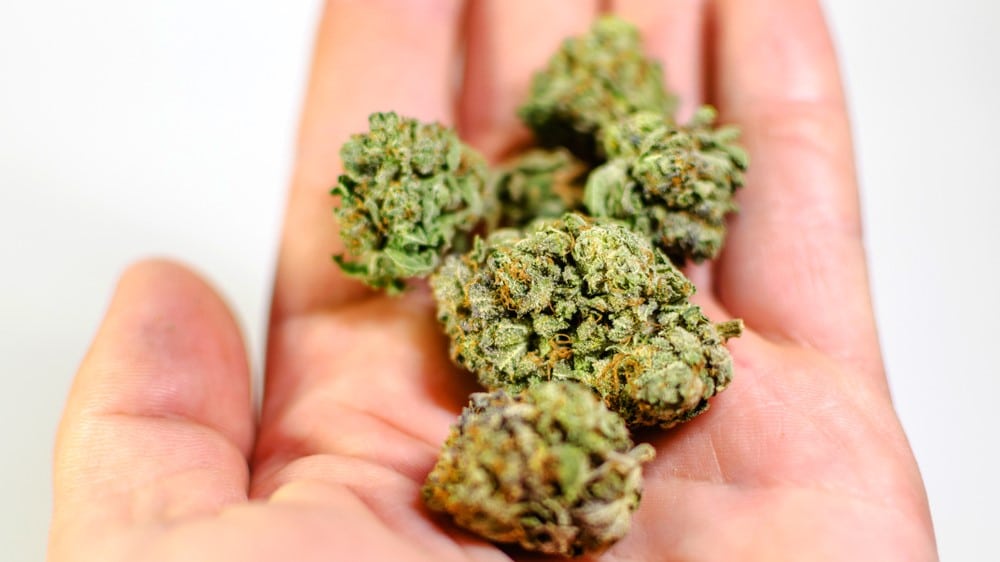
In countries where cannabis is legal, there is some regulation for the use of pesticides in its cultivation; however, there is still no standardized protocol for their use. Traces are allowed in the final buds if the pesticide is considered safe or moderately hazardous by the World Health Organization (WHO).
It is important to note that WHO considerations are based on toxicity studies of these compounds when ingested orally, while safety by inhalation has not yet been studied in depth (2). This is crucial, as inhaled cannabis use is one of the most common forms of cannabis use in the world. Some countries do have guidelines for pesticide monitoring in Cannabis, and they are mostly based on those already in place for tobacco.
Types of pesticides used in cannabis cultivation
There are different types of pesticides used in cannabis cultivation, each with its own characteristics and applications:
- Insecticides and acaricides: Control insect pests that can damage plants.
- Fungicides: Combat fungal infections such as powdery mildew and botrytis (gray mold).
- Herbicides: Although less common, they eliminate unwanted weeds that compete with cannabis for nutrients and light.
What are the most common pesticides on cannabis?
- Insecticides: Pyrethroids, avermectins, sulfur-based products, neem oil (from the neem tree) and spinosad (a naturally occurring insecticide produced by fermentation of bacteria).
- Fungicides: Sulfur, copper-based compounds and potassium bicarbonate.
- Herbicides: Glyphosate and paraquat.
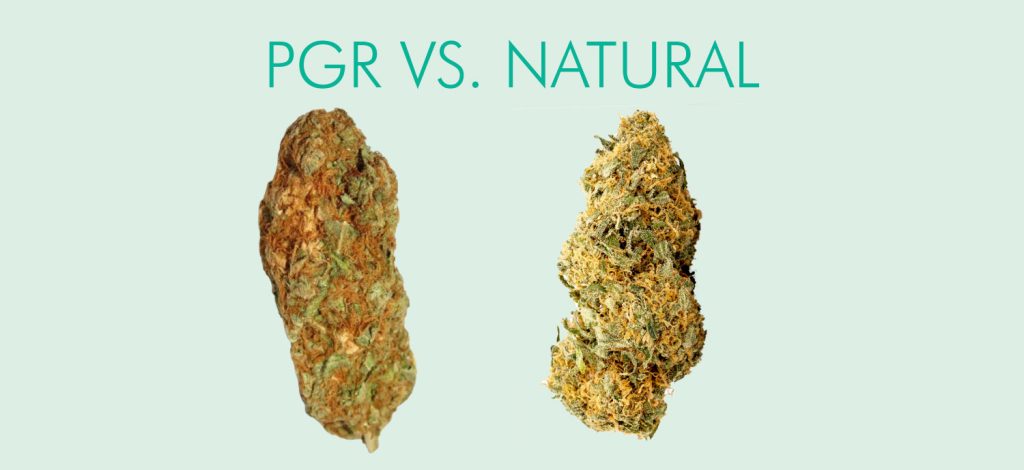
Where are pesticides found in cannabis?
Pesticides used in cannabis cultivation are retained in the trichomes, which are specialized structures located in the leaves and especially in the flowers or buds of cannabis, which contain the resin rich in cannabinoids and terpenes.
Cannabinoids and terpenes are hydrophobic compounds, as are pesticides. Therefore, trichome density and pesticide retention are correlated, which may imply that the more trichomes, the higher the concentration of pesticides (3).
Impact of pesticides on the health of cannabis users.
WHO has studied the amounts of pesticides that pose a risk by oral ingestion, but inhalation ingestion has been little studied. Pesticides can be transferred to smoke by a process called pyrolysis, where chemical decomposition of organic materials through the application of heat can convert some pesticides into a chemical that is more toxic than the parent compound, and will eventually be absorbed by the consumer's lungs (4).
Some studies have quantified pesticide residues in cannabis smoke using different smoking devices (4). These studies highlight the urgent need for regulatory guidelines based on rigorous scientific research that can provide confidence to cannabis users.
Is it possible to have cannabis without pesticides?
Yes, it is possible to grow cannabis without pesticides through alternative strategies. These include biological and mechanical controls, the introduction of natural predators and the use of physical barriers. In addition, selective breeding of pest-resistant plants and the use of products such as neem oil, insecticidal soaps and fertilizer, which are commonly used in organic cultivation, can also be effective.
One of the leaders in this sector is Jorge Cervantes, author of the Cultivation Bible, who has spent more than 40 years of his life cultivating and researching organic and biological techniques for the cultivation of quality cannabis.
Organic cannabis cultivation
Is there a safe way to grow cannabis for smoking?
Yes, through Integrated Pest Management (IPM) and organic farming.
Integrated Pest Management (IPM)
It is a holistic and environmentally friendly approach that combines biological, cultural, physical and chemical control methods. It involves decision making based on prevention and monitoring, using pesticides only as a last resort. IPM strategies for cannabis cultivation include crop rotation, introduction of beneficial insects (e.g. ladybugs, predatory mites) and the use of organic pesticides.
Preference for organic pesticides
Organic cannabis cultivation dispenses with synthetic pesticides and adopts natural methods for pest control, such as the use of organic insecticides. This is based on the fact that synthetic pesticides (referring to molecules not present in nature, only synthesized in laboratories) generally have a more stable and persistent chemical structure, which facilitates their accumulation in the environment and in living organisms. In addition, the toxicity of some of these synthetic pesticides can severely interfere with essential biological processes, increasing the risks to human and ecological health.
Organic pesticides used in cannabis cultivation include neem oil, extracted from the neem tree, which has broad-spectrum insecticidal properties, and spinosad, a natural insecticide derived from the bacterium Saccharopolyspora spinosa, effective against a variety of insect pests. In addition, this type of cultivation promotes the maintenance of healthy soil to increase plant resilience.
In many countries, it is necessary to obtain a certificate of organic cultivation to market cannabis products as organic. Generally, this certification requires compliance with strict guidelines, ensuring that the final products are free of synthetic pesticide residues.
Is neem oil really the answer?
Neem oil acts as an effective pesticide due to its main active component, azadirachtin. Although it is considered a relatively safe solution, its safety profile by the inhaled route has not been thoroughly studied. So far, there is only one documented case of neem toxicity when ingested orally (5). Although we cannot assume that inhaling neem is completely safe, it may be a safer option compared to synthetic pesticides.
Conclusion
The use of pesticides in cannabis cultivation is a complex issue that underscores the importance of assessing potential health risks. More and more cannabis consumers are opting for home cultivation to ensure that they are not smoking buds with pesticide residues, however, currently, both natural and synthetic pesticides, when used rationally, appear to be safe in the short term. The only way to find out if pesticides have been used on cannabis is through pesticide testing, although this is expensive and also provides no guarantee. EU Regulation 396/2005 for food and agricultural products sets maximum residue limits (MRLs) on these products. However, even if the pesticides used in a product can be quantified, the safe levels of these compounds by inhalation are unknown. Moreover, the toxicity of these molecules in combination (one pesticide can enhance the toxicity of another) has not been studied. This is the "cocktail phenomenon" described by several researchers such as Nicolás Olea, a challenge that also arises in the levels of pesticides authorized in foodstuffs.
It is crucial that the long-term effects of trace amounts of pesticides in cannabis continue to be investigated and that the use of these compounds can be regulated to ensure that the consumption of cannabis products does not compromise the health of consumers.
References
- Lenton, S., Frank, V. A., Barratt, M. J., Potter, G. R., & Decorte, T. (2018). Growing practices and the use of potentially harmful chemical additives among a sample of small-scale cannabis growers in three countries. Drug and alcohol dependence, 192, 250-256. https://doi.org/10.1016/j.drugalcdep.2018.07.040
- Taylor, A., & Birkett, J. W. (2020). Pesticides in cannabis: A review of analytical and toxicological considerations. Drug testing and analysis, 12(2), 180-190. https://doi.org/10.1002/dta.2747
- Antonious, G. F., & Snyder, J. C. (1993). Trichome density and pesticide retention and half-life. Journal of Environmental Science and Health, Part B, 28(2), 205-219. https://doi.org/10.1080/03601239309372823. https://doi.org/10.1080/03601239309372823
- Sullivan, N., Elzinga, S., & Raber, J. C. (2013). Determination of pesticide residues in cannabis smoke. Journal of toxicology, 2013, 378168 . https://doi.org/10.1155/2013/378168.
- Mishra, A., & Dave, N. (2013). Neem oil poisoning: case report of an adult with toxic encephalopathy. Indian journal of critical care medicine : peer-reviewed, official publication of Indian Society of Critical Care Medicine, 17(5), 321-322. https://doi.org/10.4103/0972-5229.120330


