
In short:
- Mixing CBD and alcohol does not cause a dangerous “high”, but it isn’t harmless either: both act on the nervous system, so moderation is sensible.
- Science indicates that CBD does not intensify drunkenness; the extra drowsiness is usually down to high doses of CBD or alcohol.
- The real risk appears if you take medication or need to drive or keep your reflexes sharp.
- Cannabis with THC does amplify the effects of alcohol (nausea, dizziness, a “green-out”).
In the constant search for new wellness experiences, more and more possibilities are opening up for using CBD. Among the latest trends is adding CBD drops to some cocktails, hemp beer, cannabis wine (“weed wine”) or CBD-infused wine.
This has sparked curiosity about what happens when you mix CBD and alcohol. The former, cannabidiol (CBD), is known for its many potential wellness benefits; the latter is one of the most widely used recreational and psychoactive substances in the world.
This article answers what effects combining CBD with alcohol might have and what happens if you mix cannabis or marijuana (with THC) with alcoholic drinks. As with any substance, the key thing is to understand the possible interactions between CBD and other substances and medications, especially if you are on a course of treatment.
One clarification: CBD products, such as CBD oils, are not medicines or food supplements and, in most European countries, are intended for external use. This is an informational article and does not replace medical advice: if you have symptoms or take medication, consult your healthcare professional.
What is CBD?
Cannabidiol (CBD) is one of the main cannabinoids in the cannabis plant. Unlike THC, it is not intoxicating: it does not produce a “high” or alter your state of consciousness. You can read more about what CBD is and what it is for.
According to the World Health Organization’s report on cannabidiol (CBD), CBD is generally well tolerated, shows no potential for abuse or dependence and is not associated with harmful effects on public health. This safety profile is the starting point for understanding what happens when it is combined with other substances such as alcohol.
What happens when you mix CBD and alcohol?
Both substances, CBD and alcohol, interact with the body through different systems. While CBD acts mainly on the endocannabinoid system, alcohol affects the central nervous system. In addition, both are metabolised in the liver.
It is thought that taking them together might produce an additive sedative effect, but various scientific studies have not confirmed that this is the case. Let’s first look at the effects of each substance separately.
Effects of CBD on the body
CBD has been the subject of extensive scientific research for its possible therapeutic benefits, which include anti-inflammatory, anxiolytic and analgesic effects. Unlike THC, CBD does not produce psychoactive effects.
Unlike alcohol, the “immediate” effects of CBD are not always obvious: cannabidiol can have a subtle effect. In addition, the CBD dose is decisive for its possible relaxing or stimulating effect (the lower the dose, the more stimulating; the higher the dose, the more sedating).
The side effects of CBD tend to be infrequent and mild —they may include fatigue and diarrhoea— and it has possible interactions with medications worth keeping in mind.
Effects of alcohol on the body
Alcohol intoxication (drunkenness) is due to its depressant effects on the central nervous system and to how it alters the brain’s neurotransmitters and signalling systems, including the endocannabinoid system.
Alcohol reduces cognitive and motor skills and affects neurotransmitters such as dopamine, GABA, serotonin and glutamate, altering the perception of pleasure, relaxation, reward and euphoria, with a sedative effect. Intoxicated people have difficulty coordinating movements, a lack of precision and reduced attention and concentration.
In addition, alcohol alters glutamate and GABA receptors, modifying the process neurons use to form memories (“long-term potentiation”), which explains the memory loss associated with drinking. Excessive, prolonged consumption can cause liver disease, cardiovascular problems and a higher risk of addiction. In fact, the liver is key to this process: here we explain how CBD affects the liver.
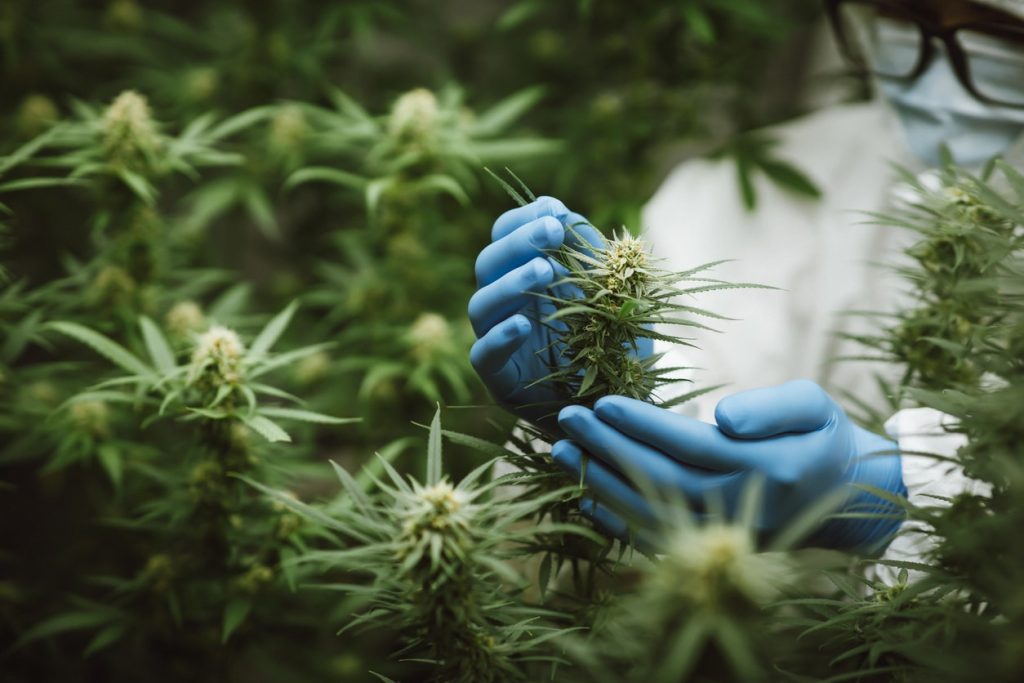
According to science, what happens when you mix CBD and alcohol?
Science has not yet unravelled everything that happens when you mix CBD with alcohol, but it has identified some key points and lets us debunk common myths:
- It seems that CBD may affect the way alcohol is absorbed. Some researchers have observed that, when given at the same time as alcohol, CBD can reduce blood alcohol levels (1). However, when given an hour beforehand, it appears not to lower them (2).
- Although CBD may lower alcohol levels —even detectable in a breath test (1)—, it should not be considered an antidote to alcohol consumption.
- As for the effects of taking both at once, motor and psychomotor impairments seem to occur just as they do with alcohol alone. In other words, contrary to what was believed, CBD does not increase the sedative or intoxicating feeling of alcohol (1).
- In other words, CBD does not seem to intensify the effects of alcohol, and the increased drowsiness when combining them is most likely due to using a very high dose of CBD or alcohol.
How does cannabis use affect drunkenness?
According to a study in a small population, taking THC after drinking alcohol increases blood THC levels, that is, it amplifies its effect (11). For this reason, depending on each person’s sensitivity, using marijuana and alcohol can cause dizziness, nausea, vomiting and sweating, known as a “green-out”, the result of acute intoxication.
Likewise, using marijuana with alcohol is linked to the development of mental health problems, more than the abuse of each substance separately would cause. If this point interests you, we explore the effects of marijuana on the brain in more detail.
Interactions between alcohol and the endocannabinoid system
An interesting fact about alcohol is that it also affects the endocannabinoid system. It appears it can alter the production of the endocannabinoids our body naturally produces, such as anandamide and 2-AG (3, 4).
Some effects of alcohol are associated with reduced glutamate neurotransmission in the brain, and there is evidence that these changes occur through its effects on the endocannabinoid system (5, 6). Alcohol tends to reduce glutamate activity, producing a depressant effect on the central nervous system that can show up as poorer cognitive function, mood changes or a lack of coordination.
Another effect of alcohol is that it induces a reduction in the expression of cannabinoid receptors (7): indirectly it reduces the number of receptors for endocannabinoids, altering physiological processes that keep the body healthy. Although there is research supporting these effects, their exact implications are not yet known.
CBD and alcoholism
CBD has been studied for its potential benefit in treating alcoholism, since it might act on the psychological symptoms related to intake: motivation, relapse, anxiety and the impulse to drink alcohol (8). Its role has also been investigated in the broader context of CBD to help quit addictions.
CBD also shows potential benefits for relieving the physical aspects of alcoholism. In animal studies it has been observed that it might ease the liver damage caused by chronic alcohol consumption, thanks to its anti-inflammatory properties and its ability to reduce oxidative stress (8).
CBD has been shown to help improve mental and liver function impaired by various liver conditions caused by chronic alcohol consumption (9). Its anti-inflammatory capacity gives it beneficial properties against liver diseases, making it a potential treatment for cocaine-induced liver toxicity (9) and for fatty liver from excessive alcohol consumption (10). Although these findings come from preclinical models and not from humans, they point to CBD’s possible potential against the consequences of chronic alcohol consumption.
Frequently asked questions about CBD and alcohol
Does CBD help with a hangover?
There is no evidence that CBD “cures” a hangover. Some studies suggest it may reduce blood alcohol levels, and point to its anti-inflammatory properties, but it is not an antidote and does not prevent the effects of drinking too much. The best strategy against a hangover is still moderation, hydration and rest.
Can I drive if I’ve had CBD and alcohol?
No. Aside from CBD, driving after drinking alcohol is a risk and an offence. In addition, CBD can cause drowsiness in some people. It’s best to keep consumption well away from any activity that demands quick reflexes. We cover this in our guide on whether it’s safe to drive after taking CBD.
Is it safe to mix CBD and alcohol if I take medication?
This is the scenario that calls for the most caution. CBD can interfere with the liver metabolism of several drugs, and alcohol potentiates the effects of some treatments. If you’re on medication, don’t assume that CBD “is natural and doesn’t interact”: first check the interactions between CBD and medications with your healthcare professional.
In conclusion
The effects of combining CBD with alcohol vary widely depending on the person and the product: whether it contains THC, the amount of alcohol and individual sensitivity. In general, CBD does not appear to significantly affect drunkenness, although both substances act on the endocannabinoid system and the release of neurotransmitters, with a possible impact on mood.
On the other hand, cannabis with high THC levels combined with alcohol can produce unpleasant effects (nausea, vomiting, dizziness) and, in the long term, encourage mental disorders. And remember: most medicines are contraindicated with alcohol, and CBD can increase the likelihood of adverse effects. Both CBD and alcohol produce different responses depending on each person’s body.
Disclaimer: this article is for informational purposes only and does not constitute medical advice. Cannactiva’s CBD products are not medicines or food supplements and, in the EU, are sold for external use. This information may complement, but never replace, the diagnosis or treatment of a healthcare professional. Consult your doctor before using CBD. Research is still ongoing.
References
- Consroe, P., Carlini, E. A., Zwicker, A. P., & Lacerda, L. A. (1979). Interaction of cannabidiol and alcohol in humans. Psychopharmacology, 66(1), 45–50.
- Belgrave, B. E., Bird, K. D., Chesher, G. B., et al. (1979). The effect of cannabidiol, alone and in combination with ethanol, on human performance. Psychopharmacology, 64(2), 243–246.
- Basavarajappa, B. S., & Hungund, B. L. (1999). Chronic ethanol increases the cannabinoid receptor agonist anandamide and its precursor N-arachidonoylphosphatidylethanolamine in SK-N-SH cells. Journal of Neurochemistry, 72(2), 522–528.
- Ceccarini, J., Hompes, T., Verhaeghen, A., et al. (2014). Changes in cerebral CB1 receptor availability after acute and chronic alcohol abuse and monitored abstinence. The Journal of Neuroscience, 34(8), 2822–2831.
- Basavarajappa, B. S., Ninan, I., & Arancio, O. (2008). Acute ethanol suppresses glutamatergic neurotransmission through endocannabinoids in hippocampal neurons. Journal of Neurochemistry, 107(4), 1001–1013.
- Kunos, G. (2020). Interactions Between Alcohol and the Endocannabinoid System. Alcoholism, Clinical and Experimental Research, 44(4), 790–805.
- Hirvonen, J., Zanotti-Fregonara, P., Umhau, J. C., et al. (2013). Reduced cannabinoid CB1 receptor binding in alcohol dependence measured with positron emission tomography. Molecular Psychiatry, 18(8), 916–921.
- De Ternay, J., Naassila, M., Nourredine, M., et al. (2019). Therapeutic Prospects of Cannabidiol for Alcohol Use Disorder and Alcohol-Related Damages on the Liver and the Brain. Frontiers in Pharmacology, 10, 627.
- Wang, Y., Mukhopadhyay, P., Cao, Z., et al. (2017). Cannabidiol attenuates alcohol-induced liver steatosis, metabolic dysregulation, inflammation and neutrophil-mediated injury. Scientific Reports, 7(1), 12064.
- Yang, L., Rozenfeld, R., Wu, D., et al. (2014). Cannabidiol protects liver from binge alcohol-induced steatosis by mechanisms including inhibition of oxidative stress and increase in autophagy. Free Radical Biology & Medicine, 68, 260–267.
- Hartman, R. L., Brown, T. L., Milavetz, G., et al. (2015). Controlled Cannabis Vaporizer Administration: Blood and Plasma Cannabinoids with and without Alcohol. Clinical Chemistry, 61(6), 850–869.


