
On the occasion of World CBD Day, today in Cannactiva's blog, we review the properties that CBD has demonstrated in the latest scientific publications, and a summary of its most important medicinal uses that are being investigated.
Note: This is an informational article and is not intended to prevent, diagnose or treat any disease. Cannactiva products are not medicines. Consult your physician if in doubt.
What is CBD?
Cannabidiol (CBD), one of the most recognized molecules derived from hemp, has a wide range of uses and properties reported to date. Unlike THC, the compound present in psychoactive marijuana-type cannabis, CBD is not psychoactive. Often, we forget all the medicinal properties of CBD due to the proliferation of CBD prescriptions, supplements and pharmaceuticals on the world market.
Medicinal properties of CBD
The most important therapeutic benefits of CBD are:
- Pain relief
- Reduction of anxiety
- Anti-inflammatory properties
- Treatment of skin disorders
- Neuronal protector and antioxidant
- Antiepileptic
- Potentiator of antitumor drugs
Pain relief properties
Research has shown that CBD can help reduce pain in a variety of situations, both alone and in combination with other medications. The efficacy of CBD varies depending on the amount used and how it is administered (1).
Animal studies have found that CBD can relieve various types of pain, including nerve pain caused by diabetes, pain caused by arthritis, and general pain related to inflammation (2-5). These findings suggest that CBD may be useful in the treatment of chronic pain conditions.
CBD's pain relief properties have also been studied in people for conditions such as neuropathic and arthritis pain. To learn more about the mechanisms of action and dosage of CBD in pain, visit the blog post:

Reduction of anxiety
Anxiety disorder is highly prevalent worldwide. Conventional treatments often have side effects and limited efficacy. CBD may help reduce anxiety through its interaction with natural brain chemicals.
An important substance called anandamide plays a role in anxiety control. CBD increases anandamide levels by blocking an enzyme that breaks it down, causing increased activation of certain receptors in the brain known as CB1 receptors of the endocannabinoid system (6). This process can help control fear and anxiety in the long term (7).
Although studies in rodents and dogs have shown that CBD can reduce anxiety, most human research involves acute doses, suggesting that more studies are needed to fully understand the long-term effects of CBD in humans (8).

Anti-inflammatory properties
CBD helps maintain a stable environment within cells, especially with regard to calcium levels in immune and inflammation-related cells. This regulation occurs primarily through TRP channels, which are important because they help control the creation and release of cytokines, proteins that can cause inflammation (14).

Properties for the treatment of skin disorders
CBD has many beneficial effects on the skin, making it useful for treating various conditions such as eczema, psoriasis, acne and even melanoma, thus improving the quality of life of patients (17). However, CBD is a hydrophobic compound, making it difficult to apply directly to the skin. To overcome this, various formulations and delivery methods, such as gels and nanosystems, have been developed to help CBD penetrate the skin more effectively.
Despite its potential, much remains to be understood about the precise mechanisms, effective doses, clinical benefits, and safety of CBD. Ongoing research is focused on these aspects and on plant-derived cannabinoids for future medical treatments (18).

Neuronal protective and antioxidant properties
CBD has shown potential to protect brain cells. This effect, known as neuroprotection, is because CBD can counteract damage caused by oxidative stress, similar to how antioxidants in foods such as blueberries can protect our cells.
Importantly, the benefits of CBD occur without interacting with receptors typically associated with cannabinoids (9).
Animal research has shown that CBD can reduce brain damage in newborns due to certain types of injuries and decrease brain swelling (10).
It has also been found to reduce symptoms related to Alzheimer's disease by reducing the activation of immune cells in the brain (11).
In addition, for cancer patients receiving chemotherapy, CBD has been effective in preventing or reducing the pain and nerve damage that often accompany treatment (12). These findings suggest that CBD could be a valuable tool in the treatment of various neurological conditions.
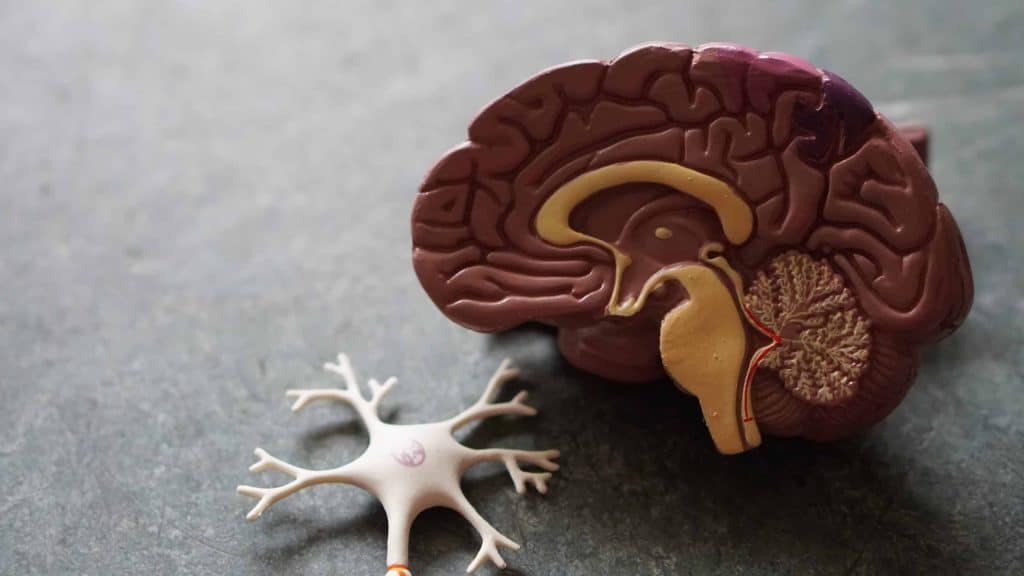
Antiepileptic Drug
Clinical trials have shown that CBD significantly reduces seizure frequency in patients with Dravet syndrome and Lennox-Gastaut syndrome, underscoring its potential as an innovative therapy in the treatment of epilepsy (15, 16).
However, this does not mean that CBD is beneficial for all types of epilepsy, so its use in this condition cannot be generalized.
It is theorized that CBD may be effective in treating focal epilepsies, although confirmation is still lacking. The efficacy of CBD for childhood and adult epilepsy as monotherapy or adjunctive therapy is still under investigation.
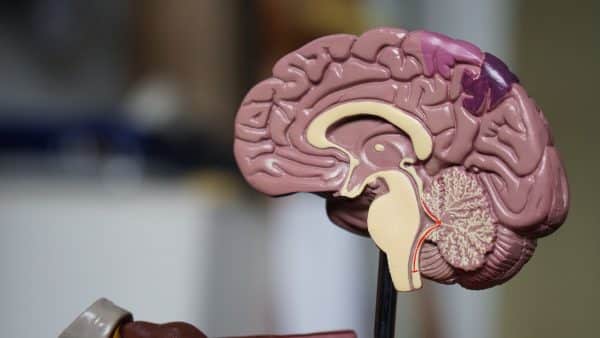
Potentiator of antitumor drugs
It has been suggested that CBD may enhance the effects of drugs against certain types of cancer, such as squamous cell carcinoma. Although some research groups are still figuring out exactly how CBD works against cancer, it appears to trigger a process that leads to the death of cancer cells (13).
Conclusion
CBD is a safe alternative that offers beneficial properties for various conditions. Although much research remains to be done, current studies show the benefits and enormous potential of this non-psychoactive cannabis compound to enhance therapeutic effectiveness and optimize conventional therapies.
Note: This is an informational article and is not intended to prevent, diagnose or treat any disease. Its content can complement, but should never replace, the diagnosis or treatment of any disease or symptom. Cannactiva products are not medicines and are intended for external use. There may be new relevant scientific evidence since the date of publication. Consult with your physician before using CBD. The therapeutic approach must always be personalized and will depend on the professional assessment.
References
- Mlost, J., Bryk, M., & Starowicz, K. (2020). Cannabidiol for Pain Treatment: Focus on Pharmacology and Mechanism of Action. International journal of molecular sciences, 21(22), 8870. https://doi.org/10.3390/ijms21228870
- Toth, C. C., Jedrzejewski, N. M., Ellis, C. L., & Frey, W. H., 2nd (2010). Cannabinoid-mediated modulation of neuropathic pain and microglial accumulation in a model of murine type I diabetic peripheral neuropathic pain. Molecular pain, 6, 16. https://doi.org/10.1186/1744-8069-6-16
- Verrico, C. D., Wesson, S., Konduri, V., Hofferek, C. J., Vazquez-Perez, J., Blair, E., Dunner, K., Jr, Salimpour, P., Decker, W. K., & Halpert, M. M. (2020). A randomized, double-blind, placebo-controlled study of daily cannabidiol for the treatment of canine osteoarthritis pain. Pain, 161(9), 2191-2202. https://doi.org/10.1097/j.pain.0000000000001896
- Britch, S. C., Goodman, A. G., Wiley, J. L., Pondelick, A. M., & Craft, R. M. (2020). Antinociceptive and Immune Effects of Delta-9-Tetrahydrocannabinol or Cannabidiol in Male Versus Female Rats with Persistent Inflammatory Pain. The Journal of pharmacology and experimental therapeutics, 373(3), 416-428. https://doi.org/10.1124/jpet.119.263319
- Wong, H., & Cairns, B. E. (2019). Cannabidiol, cannabinol and their combinations act as peripheral analgesics in a rat model of myofascial pain. Archives of oral biology, 104, 33-39. https://doi.org/10.1016/j.archoralbio.2019.05.028
- Bisogno, T., Hanus, L., De Petrocellis, L., Tchilibon, S., Ponde, D. E., Brandi, I., Moriello, A. S., Davis, J. B., Mechoulam, R., & Di Marzo, V. (2001). Molecular targets for cannabidiol and its synthetic analogues: effect on vanilloid VR1 receptors and on the cellular uptake and enzymatic hydrolysis of anandamide. British journal of pharmacology, 134(4), 845-852. https://doi.org/10.1038/sj.bjp.0704327
- Papagianni, E. P., & Stevenson, C. W. (2019). Cannabinoid Regulation of Fear and Anxiety: an Update. Current psychiatry reports, 21(6), 38. https://doi.org/10.1007/s11920-019-1026-z
- Blessing, E. M., Steenkamp, M. M., Manzanares, J., & Marmar, C. R. (2015). Cannabidiol as a Potential Treatment for Anxiety Disorders. Neurotherapeutics : the journal of the American Society for Experimental NeuroTherapeutics, 12(4), 825-836. https://doi.org/10.1007/s13311-015-0387-1
- El-Remessy, A. B., Khalil, I. E., Matragoon, S., Abou-Mohamed, G., Tsai, N. J., Roon, P., Caldwell, R. B., Caldwell, R. W., Green, K., & Liou, G. I. (2003). Neuroprotective effect of (-)Delta9-tetrahydrocannabinol and cannabidiol in N-methyl-D-aspartate-induced retinal neurotoxicity: involvement of peroxynitrite. The American journal of pathology, 163(5), 1997-2008. https://doi.org/10.1016/s0002-9440(10)63558-4
- Ceprián, M., Vargas, C., García-Toscano, L., Penna, F., Jiménez-Sánchez, L., Achicallende, S., Elezgarai, I., Grandes, P., Hind, W., Pazos, M. R., & Martínez-Orgado, J. (2019). Cannabidiol Administration Prevents Hypoxia-Ischemia-Induced Hypomyelination in Newborn Rats. Frontiers in pharmacology, 10, 1131. https://doi.org/10.3389/fphar.2019.01131
- Campos, A. C., Fogaça, M. V., Sonego, A. B., & Guimarães, F. S. (2016). Cannabidiol, neuroprotection and neuropsychiatric disorders. Pharmacological research, 112, 119-127. https://doi.org/10.1016/j.phrs.2016.01.033
- Ward, S. J., McAllister, S. D., Kawamura, R., Murase, R., Neelakantan, H., & Walker, E. A. (2014). Cannabidiol inhibits paclitaxel-induced neuropathic pain through 5-HT(1A) receptors without diminishing nervous system function or chemotherapy efficacy. British journal of pharmacology, 171(3), 636-645. https://doi.org/10.1111/bph.12439
- Go, Y. Y., Kim, S. R., Kim, D. Y., Chae, S. W., & Song, J. J. (2020). Cannabidiol enhances cytotoxicity of anti-cancer drugs in human head and neck squamous cell carcinoma. Scientific reports, 10(1), 20622. https://doi.org/10.1038/s41598-020-77674-y
- Atalay, S., Jarocka-Karpowicz, I., & Skrzydlewska, E. (2019). Antioxidative and Anti-Inflammatory Properties of Cannabidiol. Antioxidants (Basel, Switzerland), 9(1), 21. https://doi.org/10.3390/antiox9010021
- Lattanzi, S., Brigo, F., Trinka, E., Zaccara, G., Cagnetti, C., Del Giovane, C., & Silvestrini, M. (2018). Efficacy and Safety of Cannabidiol in Epilepsy: A Systematic Review and Meta-Analysis. Drugs, 78(17), 1791-1804. https://doi.org/10.1007/s40265-018-0992-5
- Ryan M (2020). Cannabidiol in epilepsy: The indications and beyond. The mental health clinician, 10(6), 317-325. https://doi.org/10.9740/mhc.2020.11.317
- Baswan, S. M., Klosner, A. E., Glynn, K., Rajgopal, A., Malik, K., Yim, S., & Stern, N. (2020). Therapeutic Potential of Cannabidiol (CBD) for Skin Health and Disorders. Clinical, cosmetic and investigational dermatology, 13, 927-942. https://doi.org/10.2147/CCID.S286411
- Ferreira, B.P., Costa, G., Mascarenhas-Melo, F. et al. Skin applications of cannabidiol: sources, effects, delivery systems, marketed formulations and safety. Phytochem Rev 22, 781-828 (2023). https://doi.org/10.1007/s11101-023-09860-5


