
Trichomes are microscopic structures found on the surface of cannabis plants. These tiny glands hold a sticky resin packed with cannabinoids and terpenes, the chemical compounds that shape the effects and aroma profile of cannabis buds.
As cannabis flowers mature, their trichomes change in colour and composition. At first the trichomes are clear and glassy and, over time, they turn opaque and amber. These changes signal that the trichomes are reaching the end of their life cycle and may be less potent than when they were younger (1).
Understanding the different stages of trichome maturation helps you unlock the full potential of your cannabis crop. Identifying the optimal harvest window is essential to get the results you want in terms of potency and flavour, and it is a key skill for any grower.
What are cannabis trichomes and why do they matter at harvest time?
Cannabis trichomes are small, crystal-like structures on the surface of the plant. They contain the plant's cannabinoids and terpenes, the compounds responsible for the aromas of cannabis and its effects.
Trichomes are actually a sophisticated defence mechanism. Their sticky resin physically stops pests from moving across the plant, and the cannabinoids and terpenes are thought to act as an effective repellent for some insects. The trichome layer also protects the plant and its sensitive tissues against harmful UV rays. If you want to understand what cannabis trichomes are and their function in more depth, we have a dedicated article about them.
How to look at trichomes: magnifier, jeweller's loupe or microscope
Trichome colour is hard to judge with the naked eye, so to identify mature trichomes you will need some magnification. The most common options among growers are:
- Jeweller's loupe (60x-100x): cheap and portable, enough to see the colour of the trichomes.
- Magnifying glass or linen tester: handy for a quick first check of the bud.
- Pocket digital microscope: gives the most detail and lets you take photos of the trichomes.
Look at the trichomes covering the buds (not the ones on the leaves) in good light and check their colour: clear, milky or amber. That colour is the best sign of whether your cannabis is ready to cut.
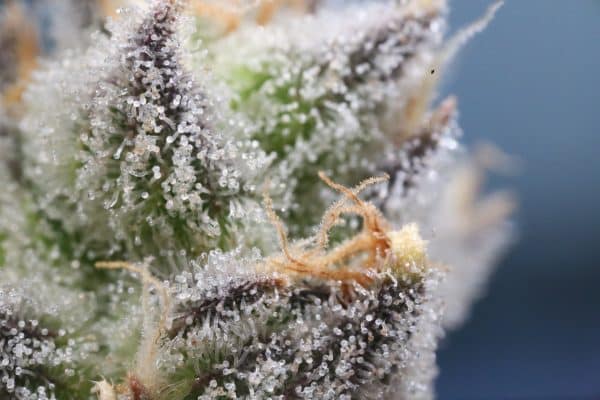
Types of trichomes by their stage of maturity
These tiny structures not only look amazing: they also play an essential role in the potency and aroma of the many cannabis varieties. By their colour, we can tell apart three stages of trichome maturity.
Stage 1: clear trichomes (not yet mature)
In this first stage, clear trichomes are small and almost invisible. They show that the resin is still being produced and has not yet developed its full content of cannabinoids and terpenes. At this point the THC content is low and the plant is not ready to harvest, because the compounds have not fully developed.
Stage 2: milky or opaque white trichomes (peak THC)
As the plant matures, milky trichomes take on an opaque white colour. At this point THC content is at its peak concentration, which means the plant is more psychoactive. At the same time, CBD levels are low and stable due to its rapid conversion into THC.
Terpenes are also present at this stage, contributing to the cannabis's characteristic aroma profiles. Flowers at this stage smell intensely and have a captivating aroma.
No surprise that many growers choose to harvest here. Milky trichomes offer a more cerebral effect, typically classed as a “sativa effect”, ideal for moments of creativity, focus and socialising. The low CBD and CBN levels let the THC have its maximum effect, without being too sedating.
Some wait until most trichomes are milky but the first amber tones start to appear. This stage is ideal for those looking for a more balanced effect between euphoria and relaxation, typically associated with “hybrid” varieties.
Stage 3: amber trichomes (THC turns into CBN)
As maturation continues, milky trichomes turn amber or brown. Amber trichomes are a sign that THC is starting to degrade and convert into CBN, known as the “sleep cannabinoid” for its sedative effects.
At this stage the plant can deliver more sedating and relaxing effects. A high amount of amber trichomes may suit those looking for relaxing, narcotic or medicinal effects, typically associated with the “indica effect”. Many flowers destined for CBD hash making are harvested at this stage, and it can also be the time to cut some late “sativas”. If you are unsure about these categories, review the differences between indica and sativa.
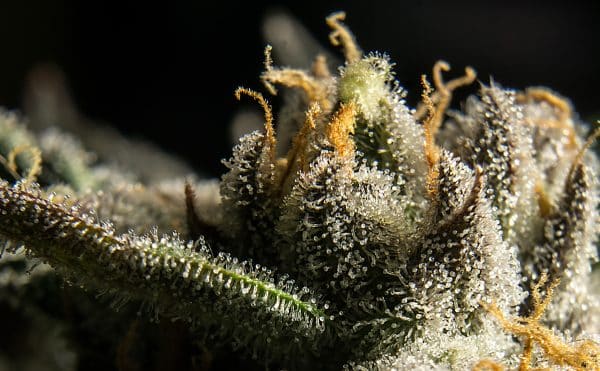
When to harvest: the optimal trichome window
There is no single “correct” moment to harvest: the optimal window depends on the effect you want. Most growers cut when the majority of trichomes are milky and the first amber tones start to appear. As a general guide, by the predominant trichome colour:
- Clear: low THC. The plant is not ready to cut yet.
- Mostly milky: THC at its peak. A more cerebral, energising effect.
- Milky with first amber: the balance point, a hybrid effect. The moment many growers choose.
- Mostly amber: THC degrades into CBN. A more sedating, relaxing effect.
Check the trichomes daily in the final stretch of flowering, because the change from milky to amber can happen in just a few days. Harvesting in line with trichome maturity is what sets the best CBD buds apart from an average flower.
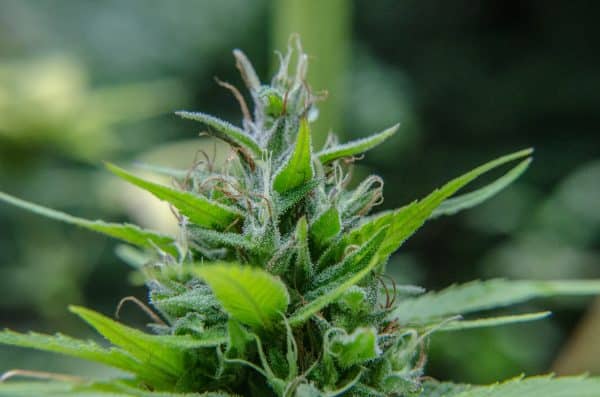
Photos of trichomes ready to cut
Photos of trichomes ready to cut are the best visual reference for a grower. In a bud at its optimal point you will see a majority of milky or opaque trichomes, with some already turned amber. If most are still clear, it is too early; if almost all are amber, the effect will be more sedating. Always compare what you see through your loupe with macro images like the ones in this article.
Frequently asked questions about trichome maturation
When are trichomes ready to cut?
When most trichomes go from clear to milky and the first amber tones start to appear. That is usually the optimal harvest window for most growers.
How many amber trichomes before harvesting?
It depends on the effect you want: with few amber trichomes the effect is more cerebral and energising; the higher the proportion of amber, the more sedating and relaxing the result.
How can I see trichomes without a microscope?
A 60x jeweller's loupe or a magnifying glass is enough. In good light you can clearly tell the trichome colour: clear, milky or amber.
What happens if I harvest while the trichomes are still clear?
The plant has not yet developed its full content of cannabinoids and terpenes, so the result will be less potent and aromatic. It is best to wait until most are milky.
Conclusion: harvest when your trichomes tell you to
Learning to identify mature trichomes is one of the most useful skills in cannabis growing: it gives you control over the potency, aroma and type of effect of your harvest. Grab your loupe, check the buds daily in the final stretch and cut at the point that best matches the effect you want. Afterwards, don't miss our tips on drying and curing cannabis, the step that finishes defining the final quality. And if you want to go deeper into varieties, take a look at the types of marijuana that exist.
References
- Livingston SJ, Quilichini TD, Booth JK, Wong DCJ, Rensing KH, et al. (2020). Cannabis glandular trichomes alter morphology and metabolite content during flower maturation. The Plant Journal, 101(1), 37-56.


