
HHC (hexahydrocannabinol) and THC (tetrahydrocannabinol) are two psychoactive cannabinoids, but very different in origin, legality and safety. HHC burst onto the European market as a supposedly “legal” alternative to THC —in buds, hash and vapes— until more and more countries banned it, Spain included (April 2025).
In this article we explain the key differences between HHC and THC: how they are obtained, how they affect the body, whether they show up on drug tests, their effects and legality.
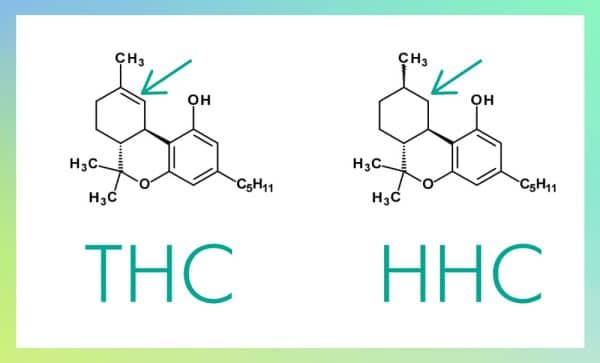
The main difference between HHC and THC: molecular structure
The fundamental difference between THC and HHC lies in their molecular structure.
The THC, or tetrahydrocannabinol, also known as Delta-9-THC, is the most studied compound in the cannabis plant, known for its strong psychoactive effect, which produces the typical euphoric high of marijuana.
HHC, on the other hand, is a semi-synthetic cannabis derivative, obtained through the chemical hydrogenation of THC (or of CBD, first passing through a THC derivative). This small modification —adding hydrogen atoms— produces a more stable cannabinoid and a theoretically milder psychoactive effect than THC, although the scientific evidence is scarce.
HHC vs THC: comparison table of the key differences
This table summarises the main differences between HHC and THC across the factors that matter most: origin, potency, legality, drug-test detection and safety.
Aspect | THC | HHC |
|---|---|---|
🌱 Origin | Natural (cannabis) | Semi-synthetic (laboratory) |
🧬 Structure | Active double bond | Hydrogenated (more stable) |
⚡ Psychoactive potency | High, intense | Mild to moderate, longer-lasting |
⚖️ Legality in Spain | Controlled (Schedule I) | Banned since April 2025 |
🧪 Drug-test detection | Yes, with standard kits | Cross-reactive in THC kits; specific tests detect it |
📚 Scientific studies | Hundreds | Very few (emerging) |
✅ Legal alternative | CBD | CBD |
HHC vs THC: differences in psychoactive effects
HHC and THC exert their effects in the body through the endocannabinoid system, a cell-to-cell communication network that regulates vital functions such as sleep, appetite, pain and the immune response. Both cannabinoids have a strong affinity for the CB1 cannabinoid receptors, widely distributed throughout the brain and linked to psychoactive effects. For this reason, both produce effects on the brain.
Because the THC and HHC molecules have small structural differences, the way they exert their effects varies. THC causes intense psychoactive effects, including euphoria and altered perception. HHC is also psychoactive, but tends to produce a less intense yet longer-lasting experience, probably due to HHC’s greater molecular stability and the way it is metabolised.
Given this similarity and the lack of proven safety of HHC, many consumers look for legal alternatives that provide relaxation without a psychoactive effect. That is where CBD hash and CBD oils come in, which also act on the endocannabinoid system but without getting you high.
How are HHC and THC obtained?
While THC is produced in cannabis through cannabinoid biosynthesis, inside the trichomes, HHC is barely synthesised in the plant at all. Tiny amounts of natural HHC exist, but all commercial HHC products obtain this substance synthetically or semi-synthetically, from cannabis extract rich in CBD or THC.
The most common form is naturally occurring THC in THC-rich cannabis flowers (marijuana buds). There are cannabis extractions from THC-rich strains, of varying quality, with an appearance similar to CBD oil.
By contrast, HHC is mainly produced synthetically or semi-synthetically. This is achieved through the hydrogenation of THC or CBD: cannabis oil is heated to a certain temperature and pressure to add hydrogen atoms to these molecules, obtaining an HHC-rich oil. The transformation from CBD to HHC is more complex, as it requires additional steps to first convert CBD into a THC derivative, and then into HHC.

Legality of HHC in Spain and Europe
One of the most important differences between HHC and THC is their legal status. THC has been on international lists of controlled substances for decades. HHC, on the other hand, burst onto the European market in 2022-2023 by exploiting a legal loophole, until regulators started to ban it.
Timeline of the HHC ban in Europe:
- Austria — March 2023
- France — June 2023
- Italy — July 2023
- United Kingdom — late 2023
- Czech Republic — March 2024
- Germany — June 2024
- Spain — April 2025
- UN — March 2025: HHC was added to Schedule II of the 1971 Convention on Psychotropic Substances.
This means that, today, HHC is illegal in Spain and in most European Union countries. Its sale, possession and use are prohibited on the same terms as THC. The difference between CBD and HHC is precisely this: CBD is legal in Spain provided it complies with the regulations; HHC no longer is.
HHC and drug tests: does it show up positive?
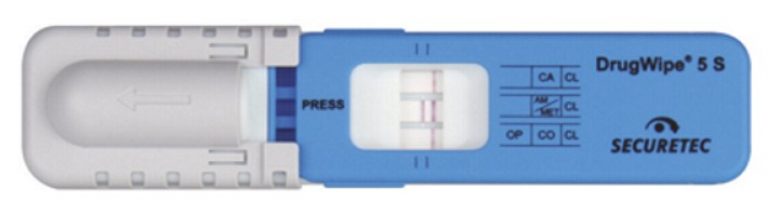
One of the most common questions about HHC is whether it shows up positive on a drug test —especially in roadside checks—. The short answer: yes, it can test positive.
The THC saliva test used in DGT roadside checks is designed to detect tetrahydrocannabinol and its metabolites. Although HHC has a slightly different molecular structure, many commercial kits show cross-reactivity and detect HHC as if it were THC.
In addition, once metabolised in the liver, HHC can partly convert into metabolites similar to those of THC, which increases the likelihood of a positive. For a full explanation, see does HHC test positive for drugs?.
Benefits of HHC and THC: which is better for your health?
When it comes to therapeutic potential, THC is by far the most studied cannabinoid, especially in areas such as pain relief, reducing nausea and stimulating appetite in cancer patients. It has analgesic and anti-inflammatory properties, but also side effects such as anxiety and paranoia in some users, especially young people.
While THC has been researched for decades, very little is known about HHC. It is thought to act on the same cannabinoid receptors as THC, producing similar but milder psychoactive effects. But there are no clinical studies demonstrating any therapeutic benefits of HHC.
In health terms, neither HHC nor THC is the best option for everyday use: both get you high, both are controlled, and both can produce adverse effects. For those seeking the benefits of cannabis without psychoactive effects, the well-researched and legal alternative is CBD —present in our CBD flowers, CBD hash and CBD oils.

Medical Cannabis: Uses and regulation
As for which is better for your health, the answer lies not so much between HHC and THC, but in the quality of the products chosen and the purpose of use.
Risks and side effects of HHC and THC
Safety of HHC and THC products
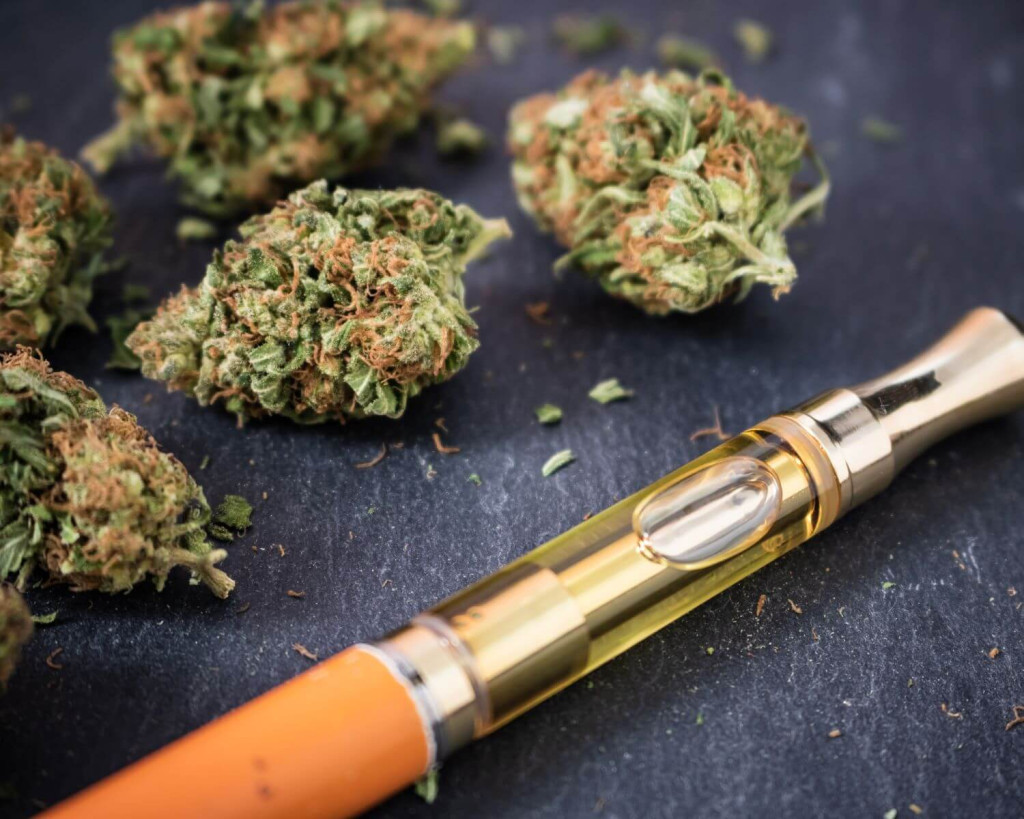
There is a wide variety of products on the market with synthetic cannabinoids, including HHC, of dubious origin, quality and composition. Likewise, there is marijuana with a very high THC content that can produce very intense and unpleasant psychoactive experiences.
Both types of product can be contaminated with mould or pesticides, especially in unregulated markets. Therefore, making sure the product is of good quality (with lab testing) is the first thing to consider.
THC is relatively safer than HHC because there is more data on its effectiveness, adverse effects and dosing. For HHC, there is simply not enough scientific literature.
In addition, the oral or ingested route carries a greater risk of adverse effects —more intense and longer-lasting— compared with the pulmonary route (smoking or vaping). In recent years, numerous hospitalisations of minors have been documented from the accidental consumption of gummies containing HHC, H4CBD, THC and other synthetic cannabinoids. These products often have an appealing appearance (sweet-like shapes and colours) and unpredictable doses. More on the difference between HHC and H4CBD.
Common side effects of HHC and THC
Although there is no reliable data on the side effects of HHC, they can be expected to be similar to those of THC, since they act on the same brain receptor. The common side effects of THC and HHC are:
- Euphoria
- Relaxation and drowsiness
- Cognitive impairment: perception of time and space, memory and concentration
- Changes in sensory perception: more vibrant colours, greater sensitivity to stimuli
- Increased appetite (the well-known munchies)
- Lack of motor coordination
- Dry mouth (cottonmouth)
- Red, glassy-looking eyes
- At high doses or in sensitive users: anxiety, paranoia, tachycardia
CBD: the legal alternative to HHC
If what you are looking for are the relaxing and wellness effects that many associate with HHC but without the psychoactive high and without legal risks, the alternative is CBD (cannabidiol). Unlike HHC, CBD:
- Is legal in Spain and in most of the EU (provided it complies with the regulations).
- Is not psychoactive: it does not get you high, nor alter perception or coordination.
- Is widely researched, with thousands of published scientific studies.
- Is safe: the WHO declared it has no potential for abuse or dependence.
- Available in a range of formats: CBD flowers, CBD hash and CBD oils.
For many consumers who tried HHC looking for a milder option, CBD is the natural answer: a cannabinoid from the cannabis plant itself, not synthesised in a laboratory.
HHC vs THC: frequently asked questions
Is HHC legal in Spain?
No. HHC has been banned in Spain since April 2025, after being added to the list of controlled psychotropic substances. Its sale, possession and use are illegal on the same terms as THC.
Does HHC test positive on a drug test?
Yes, it can test positive. Although its molecular structure is slightly different from THC’s, many commercial kits show cross-reactivity and detect HHC as THC. More details in our post on HHC and drug tests.
Does HHC get you higher than THC?
No. The available data indicate that HHC produces a milder but longer-lasting psychoactive effect than THC, although there are no robust clinical studies. The sensation is similar to a low-to-moderate dose of THC.
Is HHC safe?
The safety of HHC has not been clinically demonstrated. There are documented cases of poisoning and hospitalisations from the consumption of HHC products (especially gummies in minors). Experts recommend avoiding it until conclusive studies are available.
What is the legal alternative to HHC?
CBD (cannabidiol) is the legal, well-researched and safe alternative. It provides relaxing and wellness effects without getting you high, without legal risk and with an excellent safety profile.
HHC vs THC: conclusion
HHC was sold for years as a milder, legal alternative to THC, but the lack of proven safety and the differences in quality and composition make it a poor choice —and, what’s more, it is already illegal in Spain and in most of the EU. THC, though more studied, is also controlled and carries risks: intoxication, dependence and adverse effects such as anxiety or paranoia, especially in young people and at high doses.
If you are looking for the benefits of cannabis without getting high and within the law, the answer is clear: CBD. Explore our range of CBD flowers and CBD hash, all lab-tested and compliant with European regulations.


