Endocannabinoids: What are they, types and their functions?

What are endocannabinoids and what is their function?
Endocannabinoids or endogenous cannabinoids are chemical substances produced by our body that have an impact on the whole body, especially on the brain. These molecules interact with the cells of our body to regulate their functions, and they do so through the endocannabinoid system. In particular, it appears that the function of endocannabinoids is related to the feeling of well-being and happiness.
Endocannabinoids and the endocannabinoid system
Endocannabinoids are part of the endocannabinoid system, together with cannabinoid receptors and cannabinoid enzymes (involved in the synthesis, metabolism, transport and degradation of cannabinoids). Each and every part of this system is essential: none works without the other.
What does the term endocannabinoid mean?
The name endocannabinoid was designated by a group of Italian researchers in 1995 (1). The prefix "endo-" comes from Greek and means "inside". Therefore, endo-cannabinoids are the cannabinoids produced by the body.
The term "endocannabinoids" is used to differentiate cannabinoids produced by the body from other types of cannabinoids found in nature, such as those produced by plants, mainly in cannabis, called phytocannabinoids. There are also synthetic cannabinoids.
Definition of endocannabinoids
Technically, endocannabinoids are endogenous substances with the ability to bind to the body's cannabinoid receptors. Generally, endocannabinoids are derived from membrane phospholipids, mainly arachidonic acid, although there are other types.
Mechanism of action of endocannabinoids
Once synthesized in the body, endocannabinoids interact with their specific receptors, the cannabinoid receptors, which activate a series of chemical processes in our body to help us maintain balance. Enzymes, receptors and cannabinoids are all interconnected to create what is known as the "endocannabinoid system," allowing the body to regulate itself and stay healthy.
Types of endocannabinoids
There are several types of endocannabinoids in the body. The two most studied endocannabinoids are anandamide or arachidonoylethanolamide (AEA) and 2-arachidonoyl-glycerol (2-AG), present in high concentration in the brain.
2-AG is the most abundant endocannabinoid in the brain, with concentrations almost 200 times higher than those of anandamide.

How these endocannabinoids perform their functions in the brain is intriguing. 2-AG is generated from anandamide, a phospholipid, and its reuptake takes place by mechanisms similar to those used for anandamide. However, its degradation is mainly attributed to the enzyme monoacylglycerol lipase (MAGL).
Other types of endocannabinoids have also been identified, such as 2-araquidonyl-glycerol ether (noladino ether), O-araquidonylethanolamine(virodamine, which appears to be an endogenous CB1 receptor antagonist), and N-araquidonyl-dopamine(NADA, a vanilloid agonist with affinity for CB1.
There are two other endogenous compounds with cannabinomimetic effect, but without affinity for cannabinoid receptors: oleylethanolamide (OEA, studied for its possible relationship as an anti-obesity drug, due to its effect on appetite inhibition) and palmitoylethanolamine (PEA, with anti-inflammatory, anti-epileptic and intestinal motility inhibitory effect).
Characteristics of endocannabinoids
As a chemical characteristic, all endocannabinoids are derived from polyunsaturated fatty acids or essential fatty acids (the famous omega 6 and omega 3), which differentiates them from phytocannabinoids.
More specifically, the main endocannabinoids studied are arachidonic acid derivatives, conjugated with ethanolamine or glycerol. This chemical structure is reminiscent of eicosanoids (inflammatory mediators in the body), such as leukotrienes and prostaglandins.
However, as a curiosity, endocannabinoids derived from substances such as palmitoylethanolamide and oleoylethanolamide have also been discovered.
Classification of endocannabinoids
Cannabinoids, including endocannabinoids, are a new class of molecules, discovered by science a little more than half a century ago, whose effects on the organism are very diverse and cannot be classified within the other known systems.
If we wanted to classify them, we could refer to endocannabinoids as part of a neurotransmitter system, which is why some authors describe the cannabinoid neurotransmitter system (2). However, it would not be entirely correct either, because the effects of the endocannabinoid system go beyond the nervous system.
Functions of endocannabinoids
Endocannabinoids are part of a cellular communication mechanism called the endocannabinoid system. Its function is to interact with other body systems by binding to cannabinoid receptors.
As a result, endogenous cannabinoids have effects on the nervous, immune and reproductive systems, among others. They have a regulatory role in many functions of the body, such as control of food intake, cognitive abilities, emotions, compensatory or reward behaviors, effects on motor coordination, body temperature, wake-sleep cycle, bone formation and various aspects of hormonal control (3).
Endocannabinoids and brain
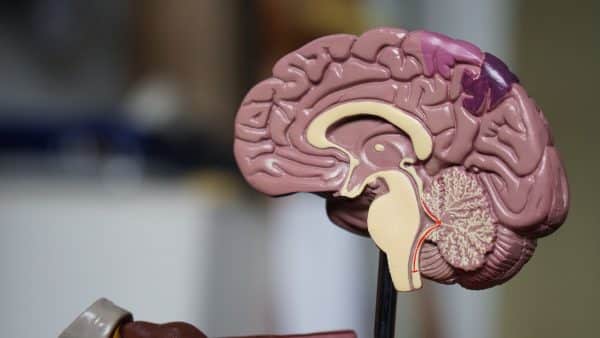
It seems that these compounds have a remarkable importance at the brain level, where they act as neuromodulators and have a tonic effect. For example, it has been observed that endocannabinoid levels are higher in the areas of the brain related to pain (central gray matter or periaqueductal).
Endocannabinoids regulate various neurological functions, such as mood, stress, anxiety, pain and reward behaviors. Anandamide and 2-araquinodilglycerol (2-AG) are the two main endocannabinoids that are released while we are having an experience.
Endocannabinoids for mental health: a brain communication system.
The endocannabinoid system plays an important role in the brain, as cannabinoids interact with multiple neurotransmitters to produce effects on learning and memory, locomotor activity, psychotropic properties and anti-epileptic effects.
The system by which these cannabinoids function in the brain is critical for developing pharmacotherapies aimed at treating these and other neurological disorders (4,5). In this regard, cannabis cannabinoids are currently being investigated for their properties to stimulate the endocannabinoid system, much like endocannabinoids would. In other words, the cannabinoids in hemp could have the same effects as cannabinoids produced by the body itself. This finding opens up a whole field of research in this regard and may allow us to better understand the role of endocannabinoids in the maintenance of health.
In addition we also have CBD flowers, CBD cream and much more in our online CBD store.
What are the differences between endocannabinoids and neurotransmitters?
Endocannabinoids differ from "classical" neurotransmitters in their neurotransmitter-modulating nature. In their function, endocannabinoids act as neuromodulators by inhibiting the release of primary neurotransmitters, such as GABA and glutamate, to regulate downstream neuronal activity. It is as if endocannabinoids were created specifically to accompany our emotions through the control of other neurotransmitters.
Their main feature as neuromodulators, more technically, is that endocannabinoids are retrograde neurotransmitters released by postsynaptic, rather than presynaptic, neurons. Translated: between two neurons there is a synapse - a communication space - where presynaptic neurons release neurotransmitters and postsynaptic neurons are activated by them. However, compared to most common neurotransmitters, endocannabinoids travel in reverse; instead, they are released by postsynaptic neurons, as if driven by chance. Thus, the endocannabinoid system interacts with acetylcholine, dopamine, GABA, histamine, serotonin, glutamate, norepinephrine, prostaglandins and opioid peptides. This mechanism is responsible for most of the studied pharmacological effects of cannabinoids (anti-epileptic, anxiolytic, etc.).
Thanks to their ability to move between presynaptic and postsynaptic cells, endocannabinoids can alter the flow of communication between neurons in a unique way.
Another unique feature that differentiates endocannabinoid activity from that of other neurotransmitter systems is its ability to maintain body homeostasis. In short, the brain's endocannabinoids are such an intriguing signaling system, it almost begs us to learn more about it. What a fascinating mechanism!
How to increase endocannabinoid levels in the brain?
Of course, good health, a balanced diet, physical exercise and general rest contribute to the optimal functioning of our organism. Use your common sense: rest, get enough sleep, exercise and maintain good muscle mass, eat healthy and enjoy contact with nature and the sun.
In addition, it has been described that some nutrients in the diet could increase endocannabinoid levels. For example, linoleic acid (also known as omega-6), appears to increase endocannabinoid levels (6). Herbs and spices may also have these effects, due to their beta-caryophyllene content (7).

We hope you found this monograph on endocannabinoids at least as interesting and exciting as we did. If you have any questions, please consult the FAQ section below, or write to us and we will try to answer them. See you next time!
Information on endocannabinoids (frequently asked questions)
References
- Fezza, F., Bari, M., Florio, R., Talamonti, E., Feole, M., & Maccarrone, M. (2014). Endocannabinoids, Related Compounds and Their Metabolic Routes. Molecules, 19(11), 17078-17106. https://doi.org/10.3390/molecules191117078. https://doi.org/10.3390/molecules191117078
- Szabo B, Schlicker E. Effects of cannabinoids on neurotransmission. Handb Exp Pharmacol. 2005;(168):327-65. PMID: 16596780.
- Rahman, A. U. (Ed.). (2015). Cannabis and Bioactive Cannabinoids. In Studies in Natural Products Chemistry (Vol. 45, pp. 17-57). Elsevier. https://doi.org/10.1016/B978-0-444-63473-3.00002-2
- Endocannabinoids, Research Gate, https://www.sciencedirect.com/topics/chemistry/endocannabinoid
- Cannabinoids and Their Receptors Cecilia J. Hillard, Christopher W. Cunningham, in Methods in Enzymology, 2017.
- Alvheim AR, Torstensen BE, Lin YH, Lillefosse HH, Lock EJ, Madsen L, Frøyland L, Hibbeln JR, Malde MK. Dietary linoleic acid elevates the endocannabinoids 2-AG and anandamide and promotes weight gain in mice fed a low fat diet. Lipids. 2014 Jan;49(1):59-69. doi: 10.1007/s11745-013-3842-y. Epub 2013 Oct 1. PMID: 24081493; PMCID: PMC3889814.
- Gertsch J, Leonti M, Raduner S, Racz I, Chen JZ, Xie XQ, Altmann KH, Karsak M, Zimmer A. Beta-caryophyllene is a dietary cannabinoid. Proc Natl Acad Sci U S A. 2008 Jul 1;105(26):9099-104. doi: 10.1073/pnas.0803601105. Epub 2008 Jun 23. PMID: 18574142; PMCID: PMC2449371.


