
If you've ever explored the world of cannabis or CBD flowers, you've probably come across two key words: cannabinoids and terpenes. Both types of substances are naturally present in cannabis and cannabis resins. Do you really know what they are and how they differ?
To understand the differences between cannabinoids and terpenes, let's start by explaining that cannabis is an amazing plant capable of producing hundreds of different chemical compounds, like a real natural laboratory! Among the compounds it produces, there are different types of cannabinoids and terpenes.
Both types of compounds are naturally present in the plant and have a lot to do with the effects and benefits of cannabis. In addition, they can interact with each other, enhancing their properties together, as if it were a small but powerful plant alchemy. In this article we explain what differentiates them in their chemical structure, their function and how they act in the human body.
What are cannabinoids?
Cannabinoids are chemical compounds found primarily in the cannabis plant. These compounds are able to interact with the human body's endocannabinoid system, which regulates various physiological functions such as appetite, pain, mood and memory.
About 150 different types of cannabinoids have been identified in the cannabis plant, the main ones being THC (the main psychoactive compound in marijuana) and CBD (the most abundant non-psychoactive compound in hemp).
What are terpenes?
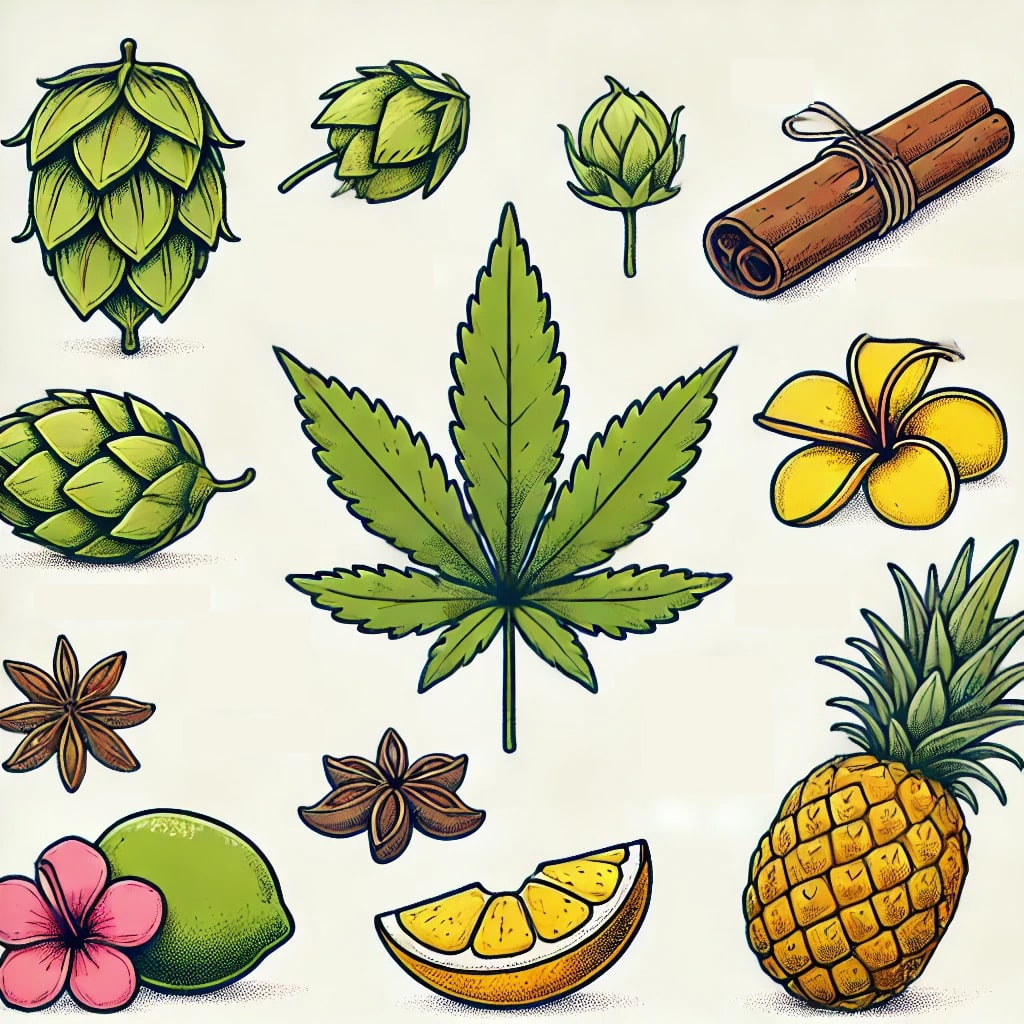
Terpenes are aromatic compounds found in many plants, including fruits, flowers and herbs, and are responsible for their characteristic aromas. What is fascinating is that cannabis also produces many of these terpenes: for example, pinene, which smells like a pine forest; myrcene, present in mango; or limonene, with that recognizable citrus touch.
Terpenes not only provide smell and taste, but also influence the effects produced by the plant. More than 150 different terpenes have been identified in cannabis.
Cannabinoids and terpenes: Differences
Chemical structure
One of the main differences between the two compounds lies in their molecular structure and chemical formula. Both cannabinoids and terpenes are lipophilic compounds, but cannabinoids, such as tetrahydrocannabinol (THC) or cannabidiol (CBD), are terpenophenols: complex structures formed by 21 carbon atoms, three aromatic rings and a hydrocarbon chain. These characteristics allow them to interact directly with the receptors of the endocannabinoid system.
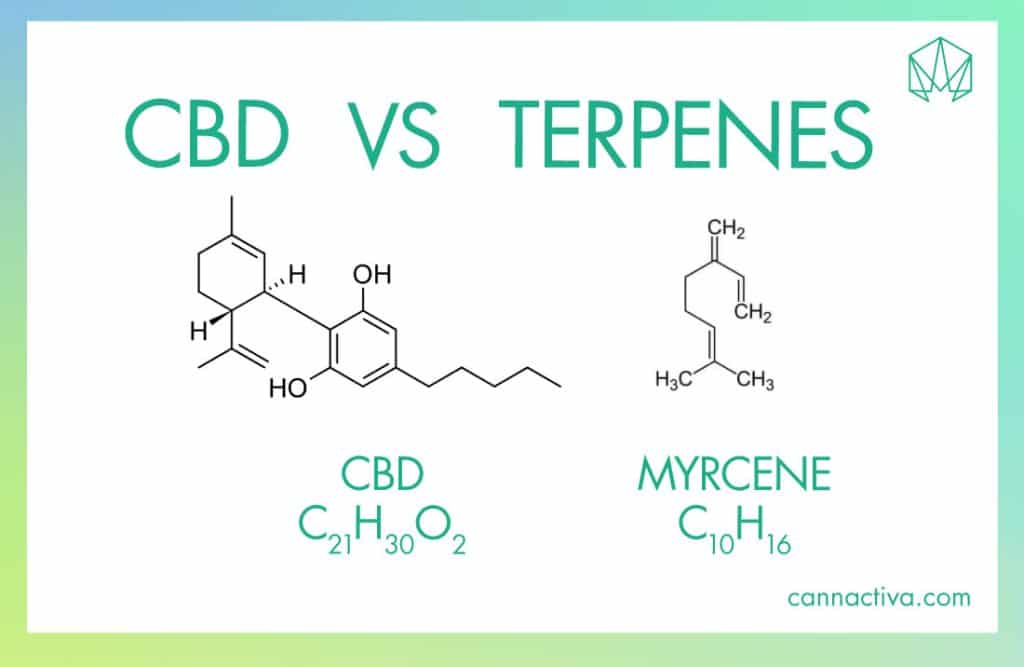
Terpenes, on the other hand, are smaller and more volatile molecules. This volatility, that is, their ability to evaporate easily, is precisely what allows us to perceive them easily through the sense of smell. For this reason, these are the aromatic compounds responsible for the characteristic smell and taste of cannabis.
Function in the plant
From a biological point of view, cannabinoids and terpenes play defensive roles in the plant. Both compounds are found in the resin, inside the trichomes of cannabis, they contribute to the chemical defense against herbivores and pathogens through their toxicity or deterrent effect: they repel unwanted insects and attract pollinators, while terpenes give the plant its characteristic aroma.
Effects on the human body
Cannabinoids act on the body's endocannabinoid system. Terpenes, on the other hand, although they do not interact directly with the endocannabinoid system, can modulate the effects of cannabinoids and have therapeutic properties of their own.
Comparative table: Main differences between cannabinoids and terpenes
Feature | Cannabinoids | Terpenes |
|---|---|---|
Chemical structure | Terpenophenols (complex molecules) | Volatile hydrocarbons (small molecules) |
Presence in nature | Mainly in Cannabis sativa | In many plants (citrus, conifers...) |
Function in the plant | Defense and attraction of pollinators | Defense and attraction of pollinators |
Interaction with the body | Bind to CB1 and CB2 receptors | Modulate effects without binding to receptors |
Psychoactivity | Some are psychoactive (e.g. THC) | Non-psychoactive |
Common examples | THC, CBD, CBG, CBN | Myrcene, limonene, pinene, beta-caryophyllene |
Therapeutic effects | Analgesic, anti-inflammatory, neuroprotective | Relaxant, mood modulator, anti-inflammatory |
Importance of cannabinoid and terpene profiles
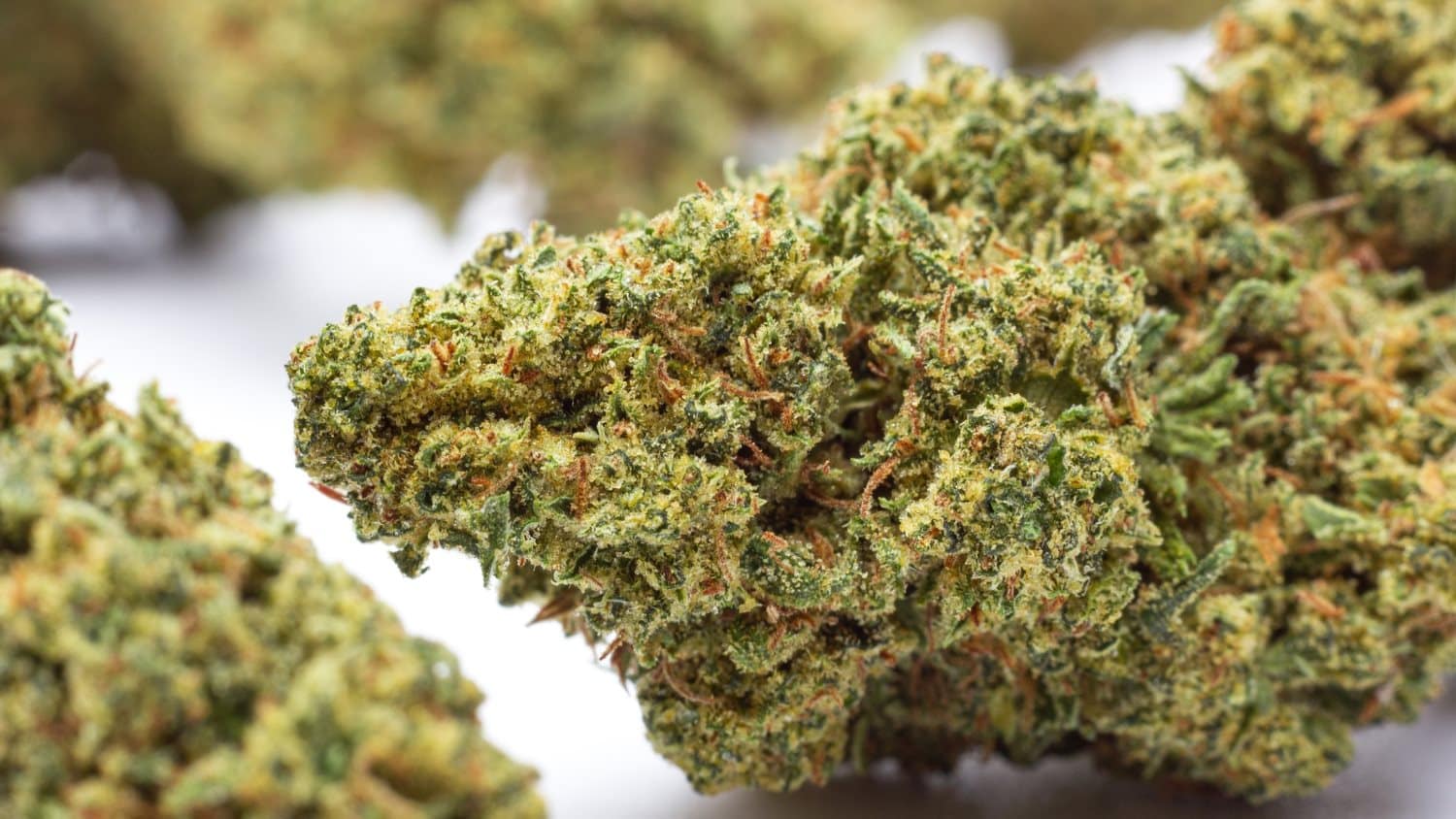
When selecting a cannabis strain, it is essential to consider both the cannabinoid and terpene profile, as the combination of the two will determine the effects due to the entourage effect.
The entourage effect: the synergy between cannabinoids and terpenes
The entourage effect is a phenomenon whereby cannabinoids and terpenes work together to enhance the therapeutic effects of cannabis, i.e. the combination of terpenes can modify the effect of cannabinoids. For this reason, these compounds are more effective in combination, rather than alone or separately. For example, the combination of myrcene with THC would enhance the sedative effect of both compounds, while limonene would be associated with a certain antidepressant effect.
This opens up a huge range of possibilities in cannabis experimentation: What happens when we combine different terpene profiles with CBD and THC? Each blend can result in unique nuances in the effects, which would allow customizing the experience to optimize it to the needs or preferences of the cannabis consumer.
More information on the entourage effect
Conclusion
Cannabis reveals its complexity through the fascinating interaction between cannabinoids and terpenes, two families of compounds with distinct chemical structures and functions, which can complement each other in their effects and experience with cannabis. A true cannabis alchemy, backed by scientific studies, that demonstrates that the plant is more than the sum of its parts: synergies and modulation between the aromatic compounds of cannabis and cannabinoids to offer unique benefits and sensory experiences.
Understanding these differences not only satisfies scientific curiosity, but also helps consumers make more informed product choices and opens doors to new cannabis applications and discoveries.


