
Telling PGR cannabis apart from natural cannabis is not as straightforward as it seems: it is not always easy to spot the difference by sight or aroma alone. But there are clues that give away a flower treated with chemical growth regulators — its extraordinarily compact shape, the lack of resin, a rock-hard texture or how it behaves when ground. In this guide we show you how to recognise flowers treated with PGR and how to identify premium CBD flowers. At Cannactiva we never use PGR: we select the best CBD buds, of the highest quality and free from pesticides and chemical regulators.
- PGR cannabis is cannabis treated with chemical growth regulators to increase bud size and density, at the cost of resin, aroma and potency.
- Natural cannabis is recognised by its conical, slightly tapered shape, abundant resin and an intense, complex aroma that stays true to the strain.
- Quick visual trick: the more a bud looks like a “hard, perfectly round rock”, the more suspicious it is of having been treated with PGR.
- All Cannactiva CBD flowers are 100% natural, with no PGR or chemical growth regulators. Organic cultivation, slow drying and traditional curing.
What is PGR cannabis?
PGR cannabis refers to cannabis buds that have been treated with flowering growth regulators or PGRs (Plant Growth Regulators). These chemicals are used to increase flowering yield in cannabis, boosting bud size and density.
However, this gain in production comes at a cost: the quality of the final product. Buds treated with PGR usually have less resin, aroma and potency than natural cannabis. On top of that, PGRs are likely not suitable to smoke or ingest, potentially compromising consumer safety. That is why more and more cannabis consumers are aware of the use of these products and want to avoid them.
Differences between PGR and Natural Cannabis
Feature | PGR Cannabis 🧪 | Natural Cannabis 🌿 |
|---|---|---|
Appearance | Compact, rock-like rounded | Dense, tapered, more organic |
Resin | Sparse or uneven | Abundant and uniform |
Aroma | Faint or artificial | Intense, complex, characteristic |
Shape | Rounded and very symmetrical | Conical, slightly elongated |
Texture | Hard and heavy to the touch | Soft, resinous and sticky |
When ground | Hard, irregular little balls | Even, homogeneous grind |
PGR Cannabis: Characteristics
PGR cannabis is not always easy to tell apart, but we can suspect that flowers have been treated with PGR when we see hard, compact buds with less resin and aroma compared with natural flowers. While there is no exact formula to identify a PGR bud by sight alone or even with a magnifier, there is a set of clues that, taken together, can suggest that flower has been treated with chemicals:
- Appearance: Cannabis treated with PGR shows an extraordinarily compact shape, sometimes like rocks, with barely visible resin crystals or unevenly distributed.
- Texture: The texture of these flowers tends to be hard and compact, not as soft and sticky, due to the lower amount of resin.
- Shape: PGR cannabis can show a more rounded and compact shape than natural cannabis. Bud density is very pronounced, almost rock-like (natural cannabis usually has a more or less tapered shape).
- Aroma: The aroma tends to be faint. Keep in mind, however, that growers can add terpenes to mask or compensate for the lack of aroma.
- Consistency: Hard, heavy flowers — to the point that they do not crumble easily between the fingers. When passed through the grinder, they form some small hard balls.
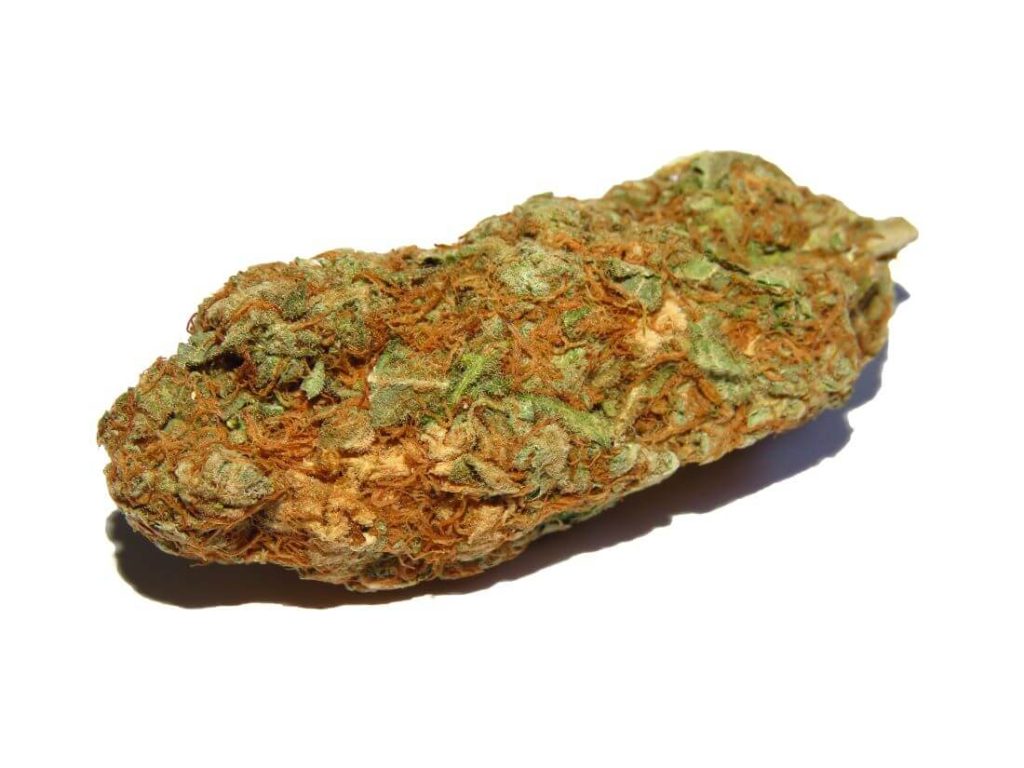
There is no single appearance for cannabis treated with growth regulators, as the final look depends on the amount of product applied and on the post-harvest processing of the flower. The only way to confirm with certainty whether cannabis has been treated with PGR is through a residue analysis carried out in specialised laboratories.
Natural Cannabis: Characteristics
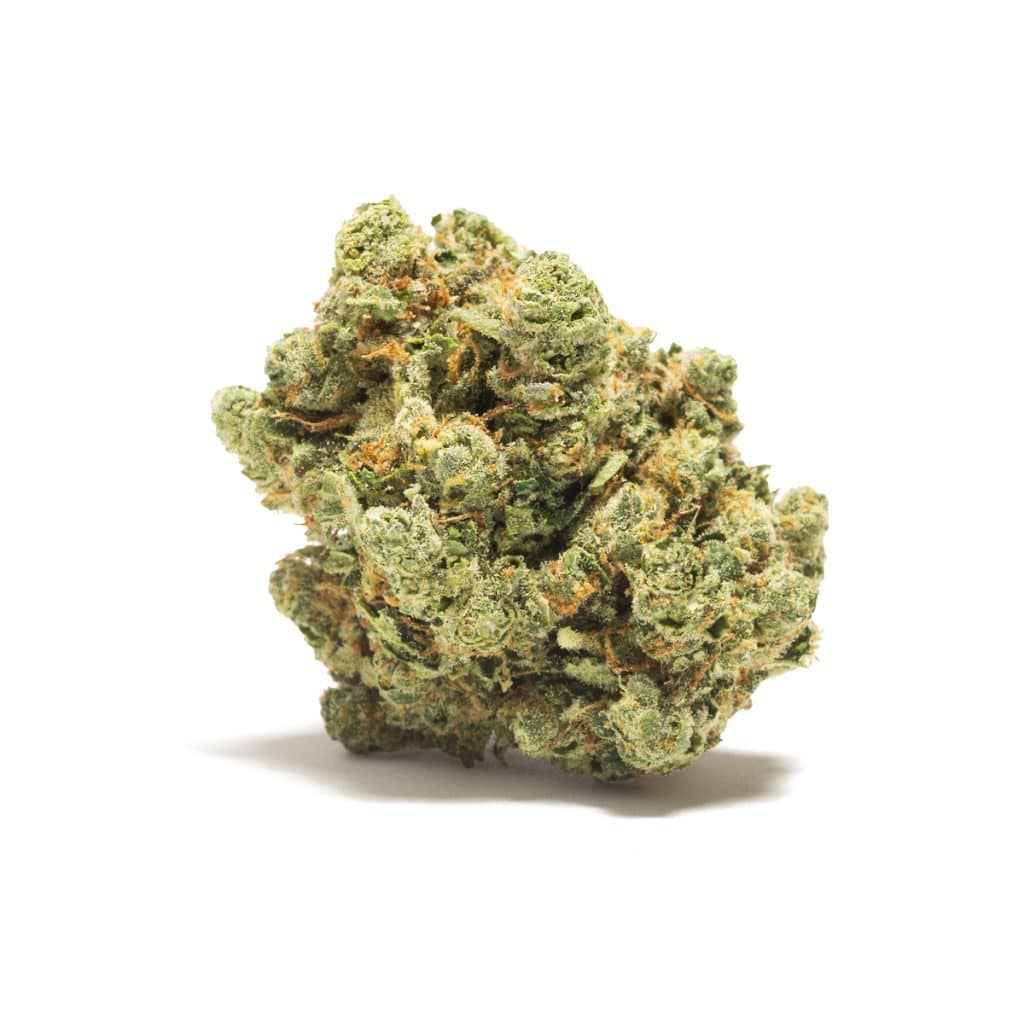
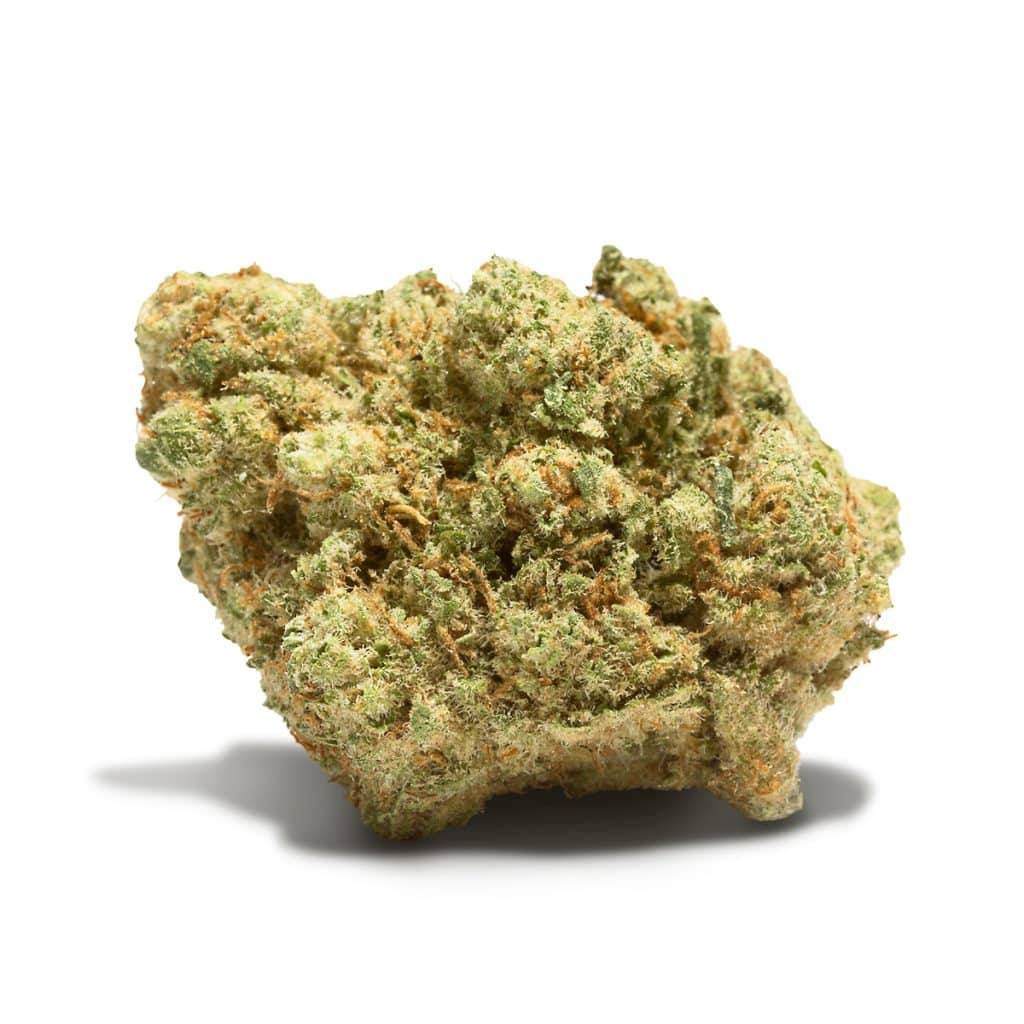
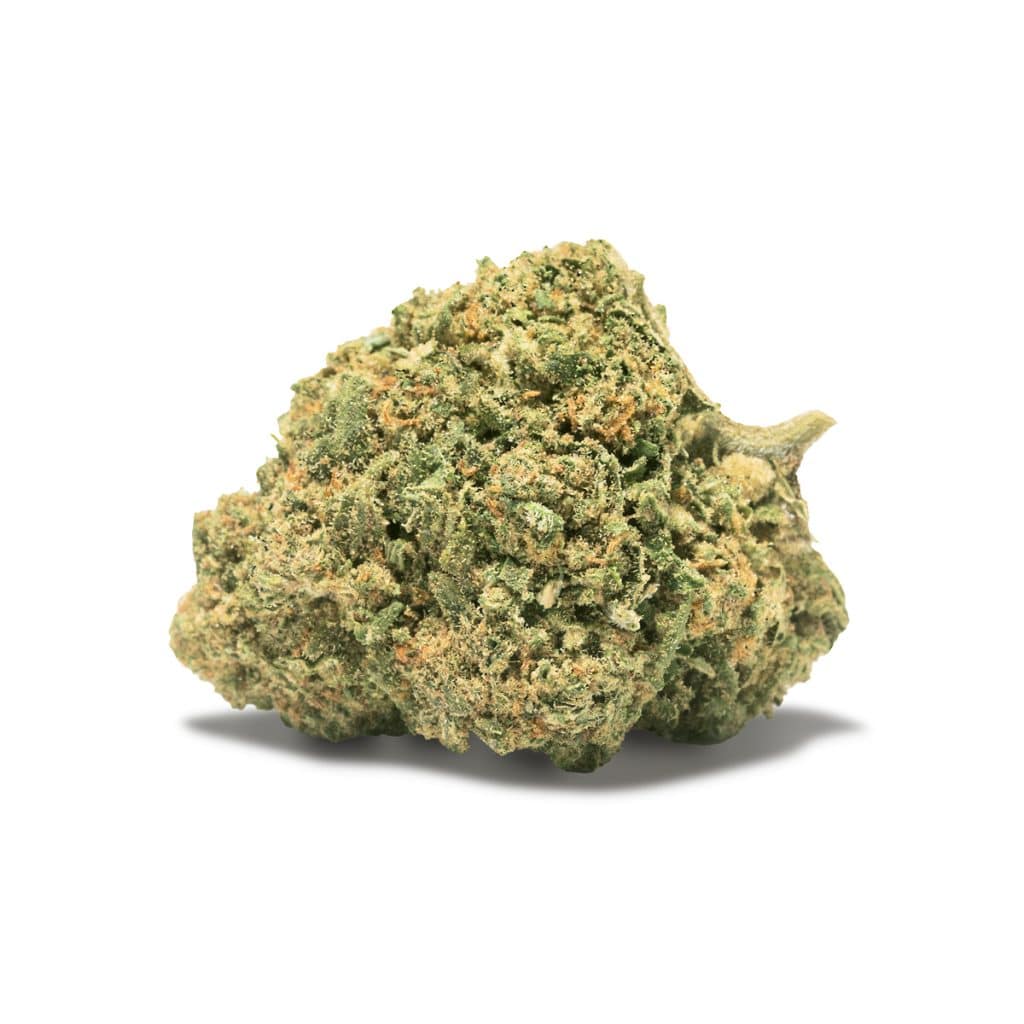
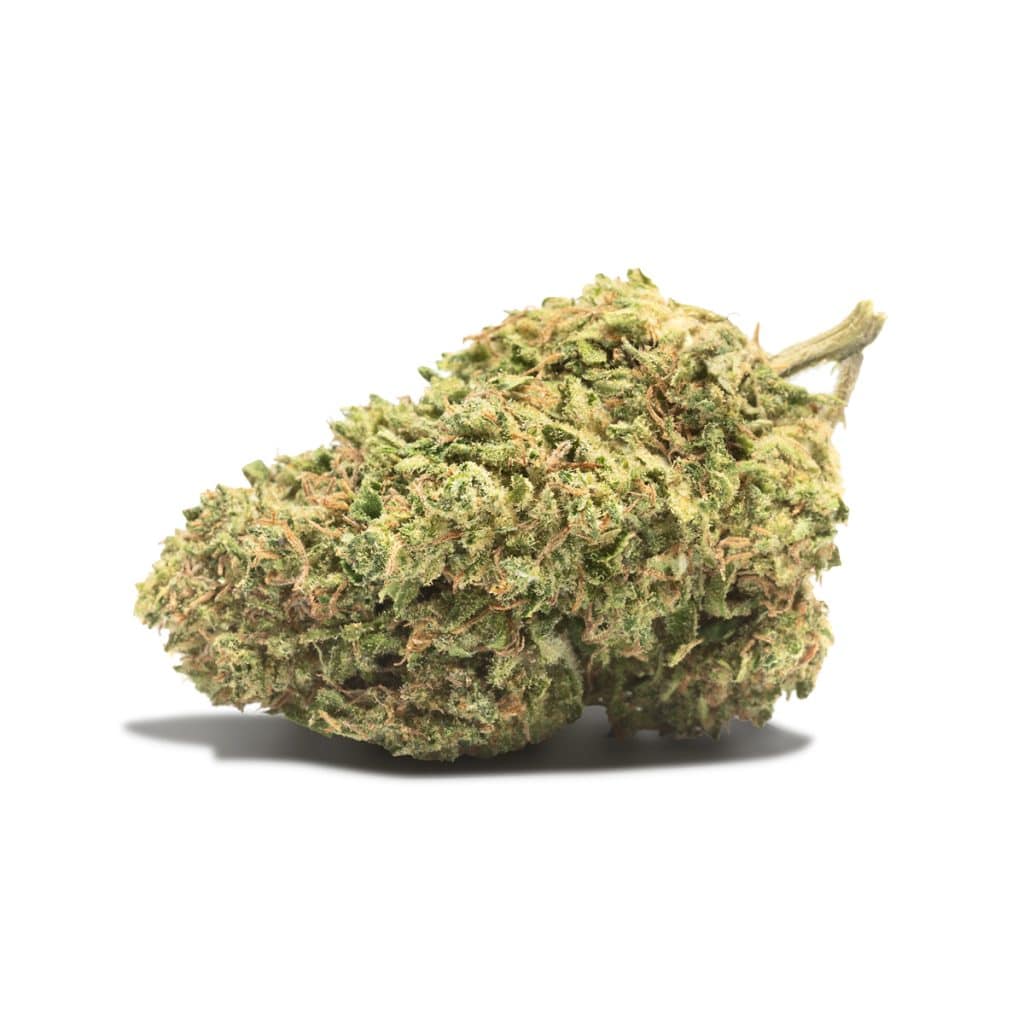
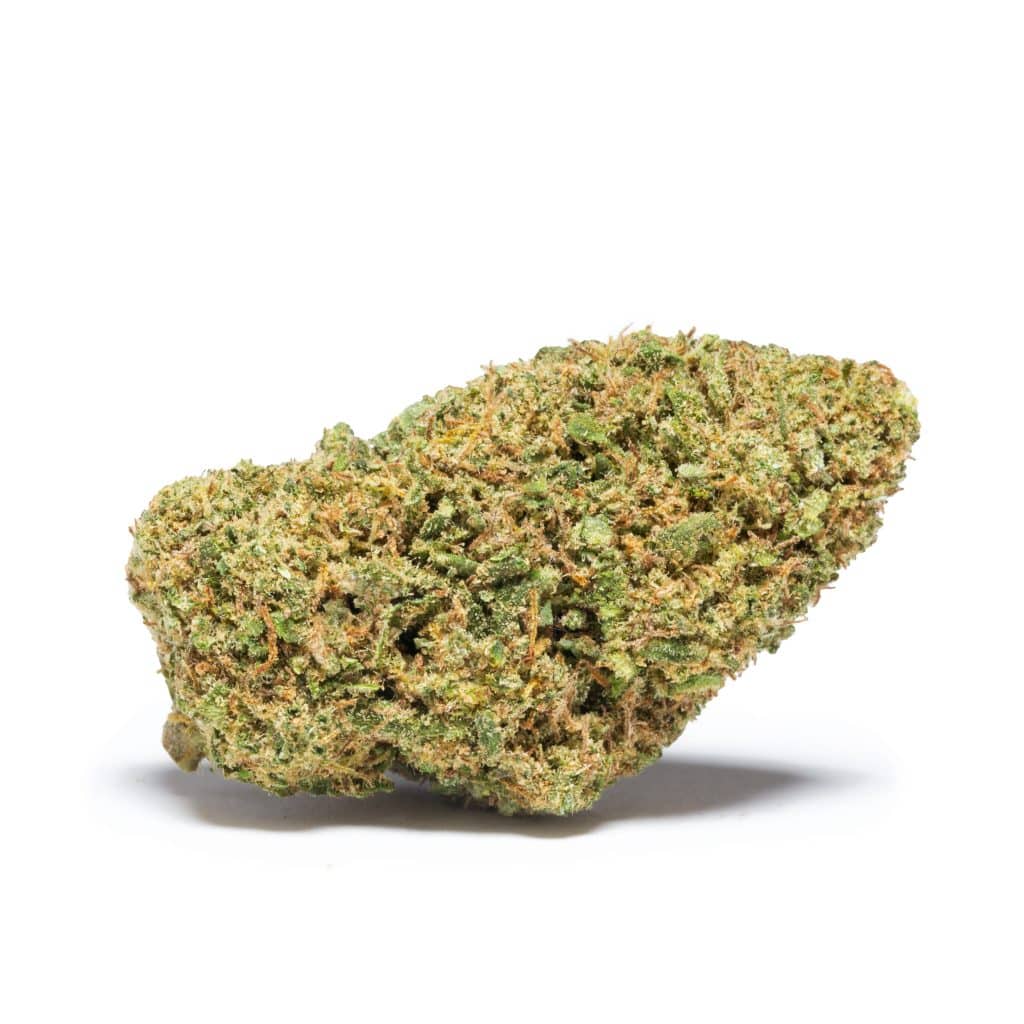
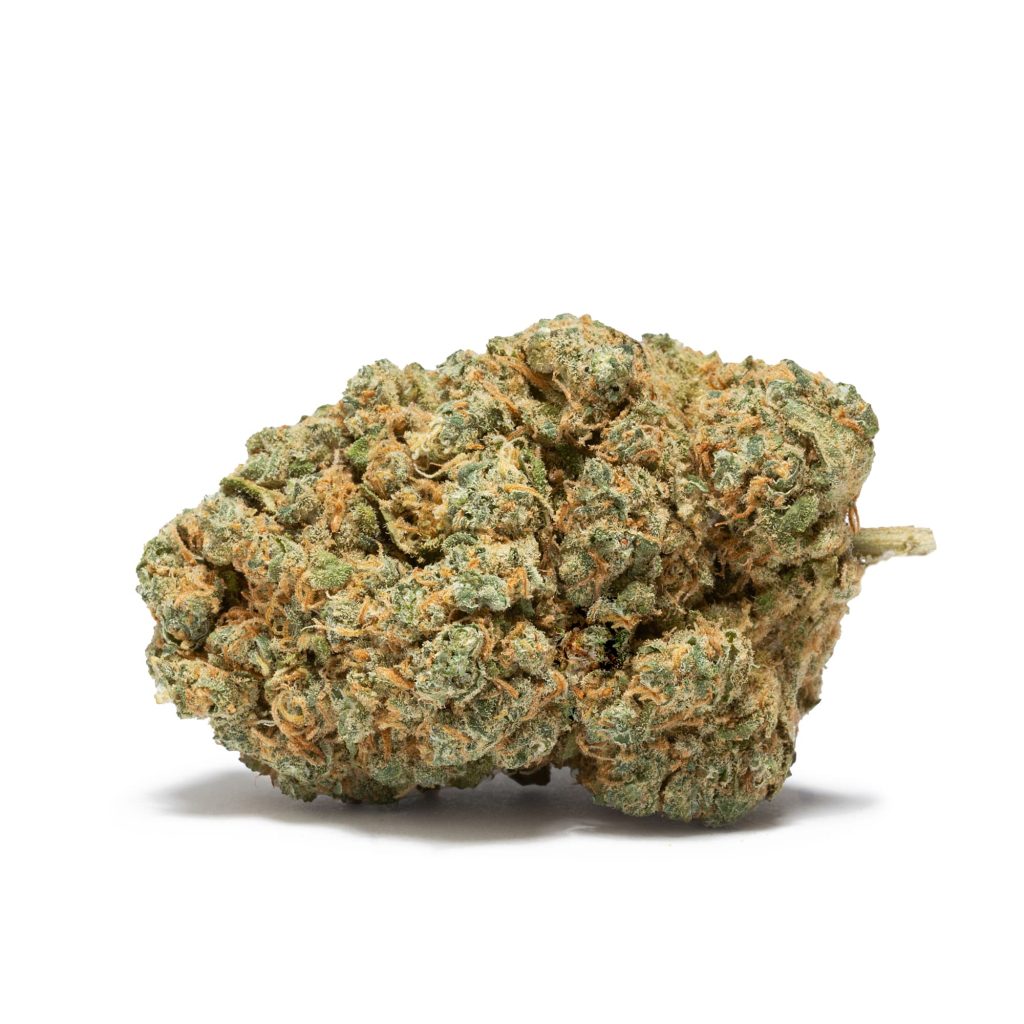
When telling natural cannabis from PGR cannabis, you should bear in mind that many factors can influence the shape, colour or aroma of the buds, including the plant's genetics, the type of cultivation, the processing or even the trimming and cleaning. In general terms, natural cannabis flowers have a dense but not completely compact appearance, and are coated with resin crystals. They are not extremely hard or heavy and they can be crumbled between the fingers. They are also distinguished by their resinous, sticky touch.
Organically grown cannabis can show diverse shapes, colours and aroma profiles:
How to identify good-quality cannabis flowers
In general, the distinguishing traits of good-quality flowers are:
- Appearance: Dense, fairly compact flowers, uniformly coated with resin crystals.
- Texture: The texture of natural cannabis flowers is soft and sticky when pressed between the fingers, thanks to the large amount of resin they contain.
- Shape: Buds have a slightly conical shape, similar to a spike — not artificially round or uniform. You can see good density without it being rock-compact.
- Aroma: The aroma of natural cannabis is intense and complex, characteristic of natural cannabis.
- Consistency: The buds can be crumbled easily between the fingers. They are not extremely hard or heavy. When passed through the grinder, they break down more or less evenly, without forming hard chunks (unlike cannabis with PGR, which can crumble into small hard balls).
How to grow cannabis without PGR: natural alternatives
The good news is that you can obtain dense, resinous buds with an intense aroma without resorting to chemical growth regulators. Traditional growers have spent decades optimising cannabis yield with natural techniques that respect the plant and the final quality of the product. A classic reference is Jorge Cervantes, author of The Cannabis Encyclopedia, whose work has influenced generations of growers towards a responsible management of the plant.
Some of the most widespread techniques to increase yield naturally are:
- LST (Low Stress Training): gently bending the branches so the whole plant receives light evenly and more buds are produced without stressing the specimen.
- Topping and FIM: cutting the tip of the main stem to force lateral growth and obtain several colas instead of just one.
- Selective defoliation: removing large leaves that block light from the developing buds, improving ripening and resin production.
- Schwazzing: intensive defoliation at the start of flowering to redirect the plant's energy towards the buds.
On top of this come organic supplements — compost tea, molasses, fish meals, mycorrhizae or kelp — which feed the substrate's microbiota and allow the plant to absorb the nutrients it needs at each stage. The result is consistent buds with bright trichomes and an aroma faithful to the profile of each strain, with no chemical shortcuts.
The final step, often ignored in the low-cost market, is curing: after harvest, the buds are slowly dried at controlled humidity and then cured in sealed jars for several weeks. This is what refines the aroma, smooths combustion and sets a mediocre flower apart from a truly premium one.
All of this is slower and more expensive than relying on PGR, but it results in flowers that truly deserve to be smoked. At Cannactiva we work exclusively with producers who respect these methods.
Natural cannabis: a commitment to quality
The use of PGR in cannabis improves flower yield, with questionable effectiveness in terms of product quality (appearance, aroma and potency) and controversy around consumer safety. That is why it is better to choose cannabis grown without chemicals such as PGRs. At Cannactiva, we only use natural methods and avoid the use of these chemicals in our cultivations.


