
Low back pain, commonly known as lumbago or backache, is a debilitating condition that affects millions of people worldwide and has a negative impact on wellbeing, hindering the mobility, productivity and quality of life of those who suffer from it. Although various treatment options exist, low back pain can be resistant to conventional therapies and difficult to treat.
The potential of cannabidiol (CBD) as a therapeutic agent for low back pain opens up new possibilities, within the growing interest in CBD for chronic pain as a complement to standard therapies.
In today's article on the Cannactiva blog, we review the research into the use of CBD for treating back pain, based on the Handbook of Clinical Cannabinology by Cannabiscientia, written by Viola Brugnatelli and Dr Fabio Turco.
CBD products, such as CBD oils, are not medicines or food supplements and are intended for external use. This is informational content and does not replace medical advice: if you suffer from persistent low back pain or are undergoing treatment, consult your healthcare professional.
What is low back pain?
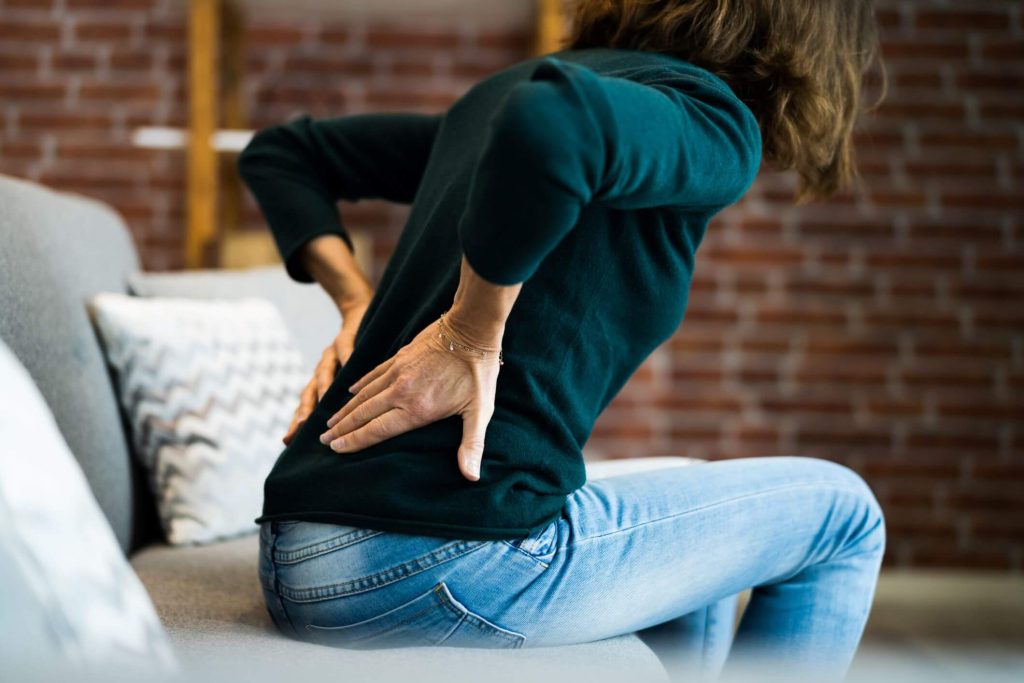
Low back pain (lumbago) is pain located in the lumbar region of the back, the area extending from the lower ribs to the gluteal region. In 2020 alone, around 619 million people worldwide were affected by low back pain, a figure expected to rise considerably over the coming years, underscoring the urgent need for effective treatment strategies. (1)
Causes and risk factors of low back pain
The causes of this type of pain can be various, including postural factors, repetitive strain injuries and poor sleep habits. However, approximately 90% of cases are of non-specific origin, with no clear underlying cause.
In addition, several factors can increase the risk of low back pain, some of which we can control, such as a sedentary lifestyle, smoking, obesity and work-related stress. Other factors include underlying diseases, injuries and referred pain from other systems that manifests as back pain.
Symptoms of low back pain: acute and chronic
Low back pain ranges from acute episodes to chronic conditions, significantly impacting daily life.
Although it can appear at any age, it is most common between 50 and 55 years and affects women far more than men. Symptoms range from a dull or mild ache, to sharp pain, through to more intense, stabbing and radiating pain. In some cases, acute episodes of low back pain resolve spontaneously, while in other people they progress to a state of chronic pain, which requires comprehensive treatment strategies.
Regardless of its temporal manifestation, low back pain can have profound implications for emotional wellbeing and quality of life: it impedes mobility, disrupts everyday activities and can precipitate social isolation and psychological distress.
Conventional treatment of back pain
Effective treatment of low back pain requires a personalised, multidisciplinary approach that addresses the underlying cause and promotes overall wellbeing. Strategies vary depending on whether the pain is specific or non-specific, with interventions aimed at relieving symptoms and restoring function. (3)
In the case of specific low back pain, treatments target the underlying cause through surgical procedures, medication or specialised interventions to promote healing.
By contrast, treatment of non-specific low back pain focuses on symptom relief and functional recovery through physical therapies, psychological support and lifestyle changes.
Medication may be used to relieve symptoms, but it should complement other treatments and be used judiciously. Analgesics, in particular, should be used with caution, and older people and those with comorbidities should consult healthcare staff before taking them.
CBD in the relief of low back pain
Since conventional treatments are sometimes not enough to relieve low back pain, cannabinoids, particularly cannabidiol (CBD), are emerging as a possible intervention worthy of study, as is the case with other types of pain such as muscle pain or joint pain and arthritis.
What is CBD?
Cannabidiol (CBD) is a non-psychoactive compound derived from the cannabis plant that has captured the attention of researchers, doctors and patients. In fact, according to what the WHO says about CBD, cannabidiol exhibits no effects indicative of abuse or dependence, and no public health problems have been documented in association with its use.
CBD has attracted attention for its potential therapeutic effects, especially in the modulation of pain and inflammation.
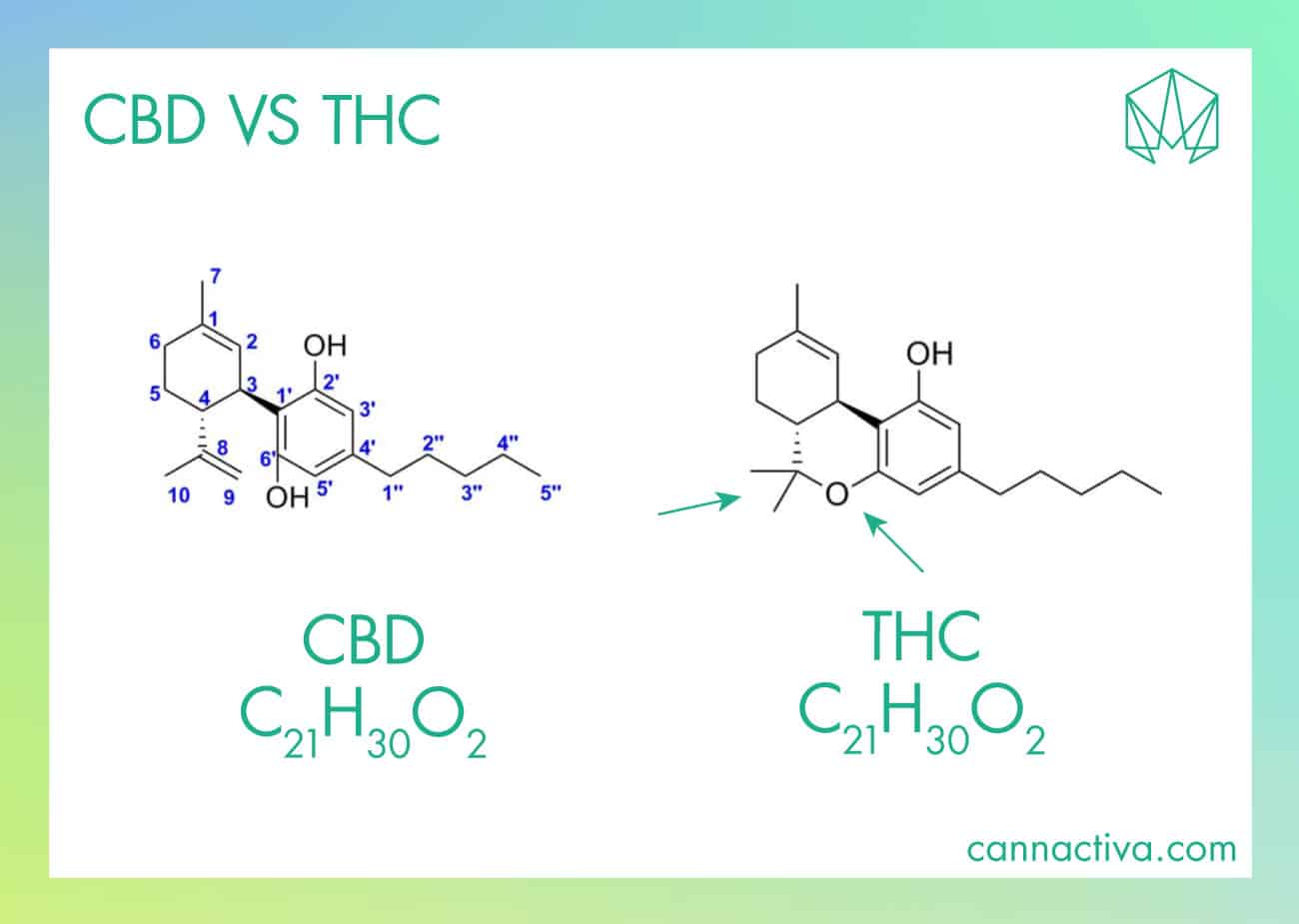
Unlike tetrahydrocannabinol (THC), the intoxicating compound in marijuana, CBD is not psychoactive, so it offers potential benefits without inducing intoxication. You can review all the differences between CBD and THC to better understand each cannabinoid.
Mechanism of action
CBD interacts with the body's endocannabinoid system to regulate various physiological processes, such as pain perception and the immune response. By modulating receptor activity and influencing the release of neurotransmitters and endocannabinoids, CBD may attenuate pain signals and mitigate the inflammatory responses associated with low back pain. This is also why CBD as an anti-inflammatory is being studied.
In addition, the complex phenomenon of low back pain involves biological, psychological and social factors. Unlike analgesics such as NSAIDs, CBD can influence multiple modalities, potentially reducing both the pain and the fear associated with it.
Potential benefits of CBD for low back pain
The therapeutic potential of CBD in back pain goes beyond symptom relief, encompassing broader benefits such as:
- Improved sleep quality
- Improved mood
- Reduced dependence on conventional analgesics
CBD's multifaceted mechanism of action, combined with its favourable safety profile, positions it as a promising complementary or standalone treatment for people with chronic low back pain.
Scientific studies on CBD for back pain
Research into the efficacy of cannabinoids in acute low back pain is limited. The CANBACK study, a rigorously designed trial, compared 400 mg of CBD with a placebo in 100 participants with acute back pain. (4) After two hours, pain levels and emergency department stays were similar between the two groups. However, the study has limitations, such as the subjective assessment of pain and the lack of information on prior medication.
In a clinical case, a 40-year-old man with an L3 compression fracture experienced a significant reduction in pain after applying topical CBD cream (400 mg of CBD per two ounces, where one ounce is roughly 28.35 grams). Despite the failure of conservative treatment, the CBD cream relieved his pain for around 10 hours. (5)
The efficacy of CBD in chronic low back pain is also under-researched, and few randomised controlled trials are available. Most studies evaluate preparations containing both CBD and THC, which makes it difficult to isolate the specific effects of CBD. In addition, the variability of doses and the heterogeneity of conditions pose difficulties when assessing efficacy. (6)
Despite these limitations, CBD shows promise as a potential therapeutic option for chronic low back pain, which justifies further high-quality research to clarify its role and address the current gaps in knowledge.
Administration and dosage of CBD for back pain
CBD products
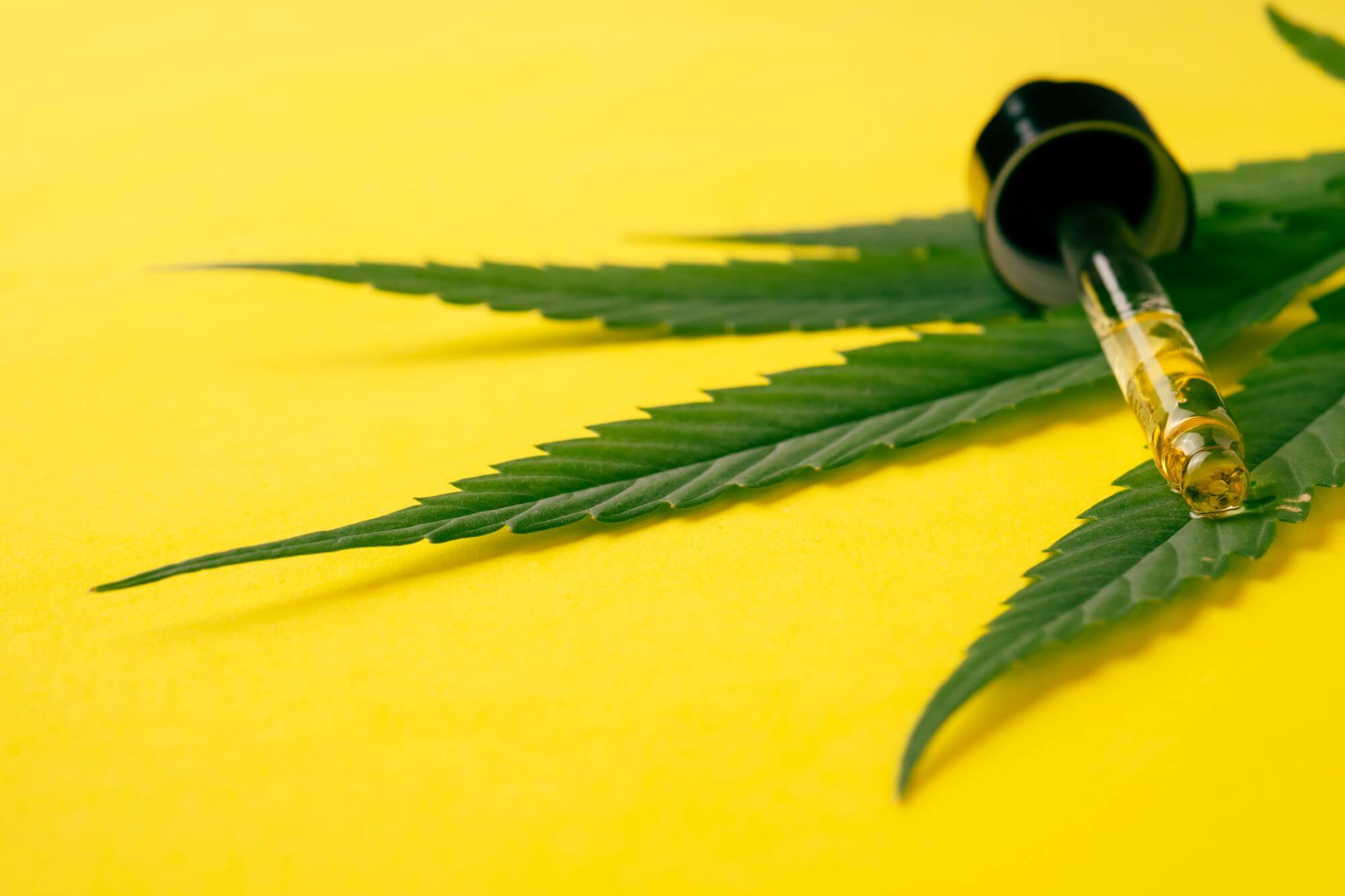
CBD is available in various formulations —oils, capsules, topical creams and edibles—, allowing personalised treatment approaches according to individual preferences and therapeutic goals.
Topical CBD creams offer localised relief by targeting specific areas of discomfort, while oral formulations and CBD oils provide systemic effects for comprehensive pain management. The choice of route of administration depends on the severity of symptoms, patient preferences and the presence of comorbidities, and should be advised by a specialist doctor.
CBD dosage
For low back pain, the CBD dose can vary depending on the product and clinical experience; previous studies show great heterogeneity in dosing. You can read more about the CBD dosage for pain and how to calculate the optimal CBD dose according to your weight and needs.
No specific dosing regimen is recommended due to the scarcity of data, but it appears that a dose of 0.1-12.5 mg/kg of CBD twice a day can be administered safely in adults (7). Studies suggest starting therapy with the lowest dose with documented effects —0.5-1 mg/kg/day— and adjusting according to the patient's needs.
Type of cannabis extract
Most studies on CBD for pain have focused on products containing different amounts of THC. The composition of cannabis can be classified into three types: high in THC, balanced THC:CBD and high in CBD and low in THC.
Studies have shown that high levels of THC can negatively affect the efficacy of CBD (7): when THC is too high, it can exert an antagonistic effect.
The studies reviewed have used both pure CBD and full-spectrum CBD, and both have shown encouraging results in managing low back pain. CBD-only products have shown beneficial effects on chronic pain, possibly through improvements in insomnia, anxiety, cognition or mood. Even so, research on high-CBD products such as Epidiolex® (99% CBD, 100 mg/ml) is limited regarding their efficacy in back pain.
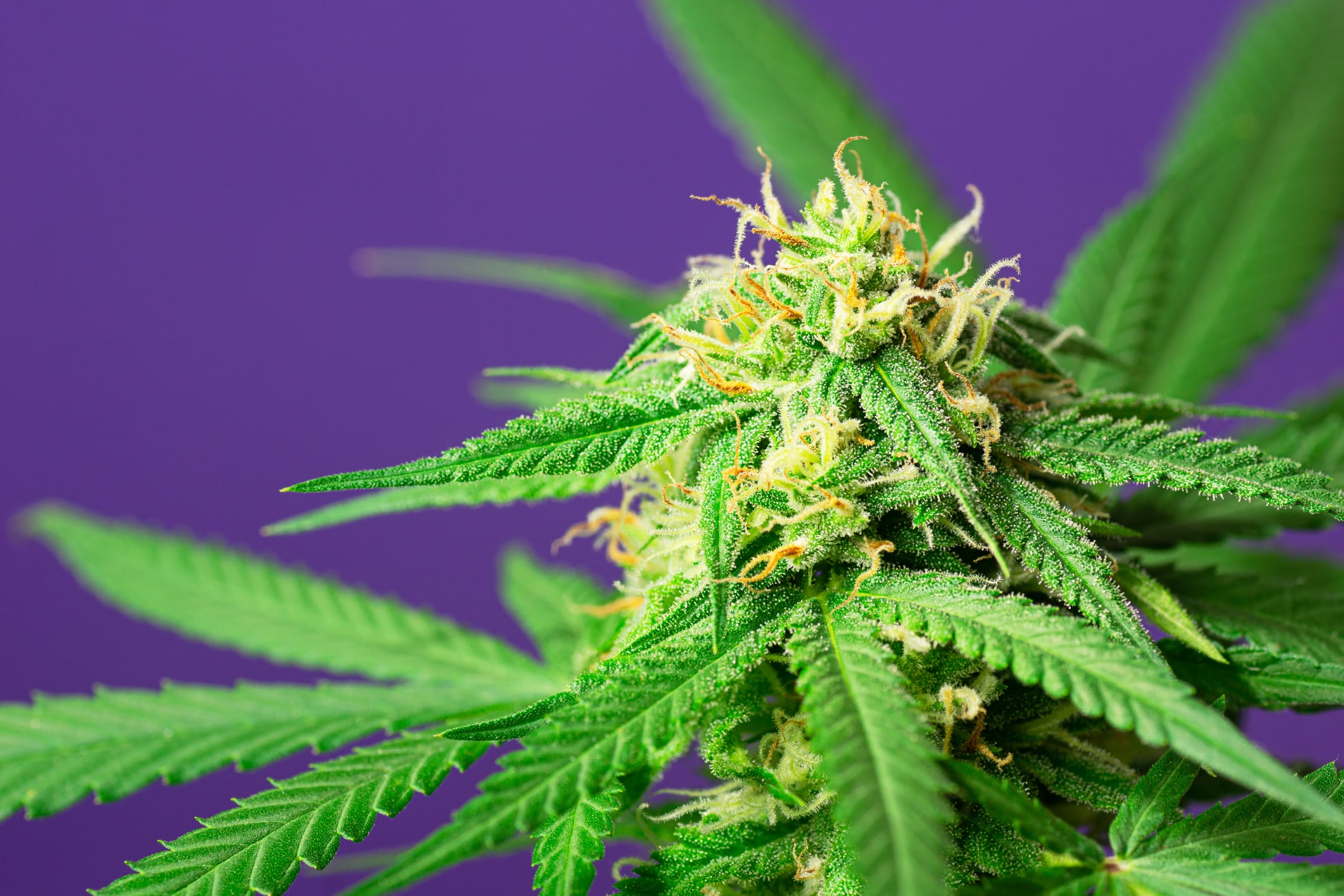
A 2018 study observed that full-spectrum CBD is more effective at relieving pain than CBD isolate (8). That greater efficacy is attributed to the synergy of CBD with the trace amounts of THC and with the other types of cannabinoids, terpenes and flavonoids in the plant, which is known as the entourage effect.
CBD interactions with pain medications
Many people with low back pain already take analgesics, so it is worth knowing how CBD behaves alongside other drugs. CBD is metabolised in the liver via the cytochrome P450, the same enzyme system that processes numerous medications, so it can alter their blood levels. Before combining it with your medication, review what interactions CBD has with medications and discuss it with your doctor.
This is especially relevant with the analgesics commonly used for back pain: check the information on CBD with ibuprofen and other NSAIDs and on CBD with paracetamol, metamizole and opioids. If you have other conditions or treatments, also bear in mind the CBD contraindications.
Side effects of CBD
In general, CBD is well tolerated, although it can cause adverse effects such as fatigue, gastrointestinal disturbances and changes in appetite, which calls for monitoring by a specialist doctor and adjustment of treatment as needed. You can find out more about the side effects of CBD.
Conclusion
CBD shows promise as a therapeutic option for treating low back pain, as it offers a holistic approach to managing symptoms and improving the quality of life of those affected.
If you are a professional and want to delve deeper into the use of medical cannabis, we recommend reading the Handbook of Principles of Clinical Cannabinology, a comprehensive resource for healthcare professionals and enthusiasts seeking evidence-based information on the therapeutic applications of cannabinoids. Produced by Cannabiscientia, this guide addresses the science, regulation, medicine and diverse products of the changing landscape of medical cannabis.
Note: This is an informational article and is not intended to prevent, diagnose or treat any disease. Its content may complement, but must never replace, any diagnosis or treatment of any disease or symptom. Cannactiva products are not medicines and are intended for external use. The authors and Cannactiva accept no responsibility for the misuse of this information. Please note that new scientific evidence may have emerged since the date of publication. For all these reasons, consult your doctor before using CBD or if you have any questions about it.
References
- GBD 2021 Low Back Pain Collaborators. Global, regional, and national burden of low back pain, 1990-2020, its attributable risk factors, and projections to 2050: a systematic analysis of the Global Burden of Disease Study 2021. Lancet Rheumatol 2023: 5: e316-29.
- J D Bartleson. Low Back Pain. Curr Treat Options Neurol. 2001 Mar;3(2):159-168.
- Crystian B Oliveira, Chris G Maher, Rafael Z Pinto, et al. Clinical practice guidelines for the management of non-specific low back pain in primary care: an updated overview. Eur Spine J. 2018 Nov;27(11):2791-2803.
- Bebee B, Taylor DM, Bourke E, et al. The CANBACK trial: a randomised, controlled clinical trial of oral cannabidiol for people presenting to the emergency department with acute low back pain. Med J Aust.2021;214(8):370–375.
- Eskander JP, Spall J, Spall A, et al. Cannabidiol (CBD) as a treatment of acute and chronic back pain: A case series and literature review. J OpioidManag. 2020;16(3):215–218.
- Kim Teddy E, Townsend Robert K, Branch Charles L, et al. Cannabinoids in the Treatment of Back Pain. Neurosurgery, (2020), nyz573.
- Gabor Xantus, Laszlo Zavori, Candice Matheson, et al. Cannabidiol in low back pain: scientific rationale for clinical trials in low back pain. Expert Review of Clinical Pharmacology (2021)
- Vučković S, Srebro D, Vujović KS, Vučetić Č, Prostran M. Cannabinoids and Pain: New Insights From Old Molecules. Front Pharmacol. 2018 Nov 13;9:1259. doi: 10.3389/fphar.2018.01259. PMID: 30542280; PMCID: PMC6277878.


