
In the search for natural methods to improve mental well-being and reduce anxiety, CBD and GABA have emerged as two key components. Although different in origin and function, their combination can offer benefits to promote relaxation and calmness. Today in Cannactiva 's post we explain what GABA is, its functions, how cannabis and CBD affect the levels of this neurotransmitter so important for relaxation and neuronal balance in our body.
What is GABA?
GABA (gamma-aminobutyric acid) is the main inhibitory neurotransmitter in the brain, responsible for promoting relaxation. This neurotransmitter plays a crucial role in regulating the activity of neurons and maintaining a proper balance between excitation and calm in our brain (1).
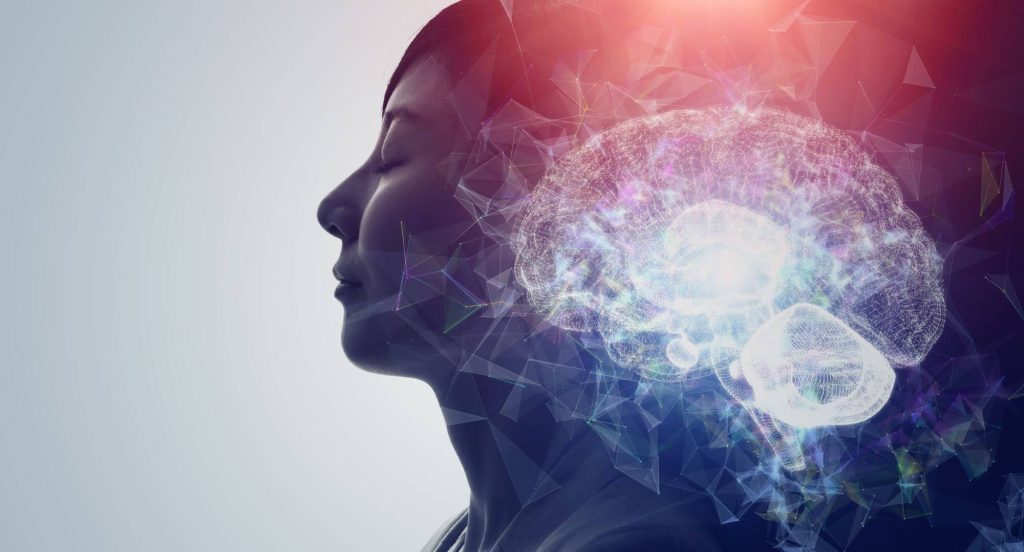
GABA helps relax the nervous system by acting as a brake on the brain, reducing the activity or excitation of neurons. It works in conjunction with glutamate, which does the opposite and increases the excitability of neurons. Optimal brain functioning occurs from a proper balance of excitation (glutamate) and neuronal inhibition (GABA).
Emotions and sensations produced by GABA
GABA is known for its calming effects on the brain and body, helping to reduce stress and anxiety (3). However, more research is still needed to fully understand these effects.
Neurons communicate through electrical signals called action potentials. These signals cause neurons to release neurotransmitters, which then activate other neurons. The action potential is the fundamental basis of neuronal communication, and GABA has the ability to prevent this communication from continuing, thus reducing the excitability of neurons.
In fact, some antidepressant and anti-anxiety medications act on GABA, enhancing its action to alleviate symptoms of depression and anxiety. Examples of these drugs include benzodiazepines, such as diazepam (Valium) and alprazolam (Xanax), and certain anticonvulsants, such as valproic acid (Depakote) and gabapentin (Neurontin). Alcohol, for example, potentiates GABA and thus induces a sedative effect. However, withdrawal rapidly depletes GABA, resulting in symptoms of hyperexcitability such as anxiety, tremors, and even seizures.

What is CBD and its relationship with GABA
CBD (cannabidiol) is a natural compound derived from the cannabis plant with no psychoactive effects and proven benefits on anxiety and pain, among other conditions. Both CBD and other cannabinoids can interact with several neurotransmitter systems, including GABA and GABAergic neurotransmission.
Effects of CBD on GABA
CBD, known for its calming and anxiolytic effects, can influence GABA levels in the brain and its activity.
CBD can make more GABA available in the brain by preventing it from being degraded or reuptaken. In addition, CBD binds to specific receptors called GABA A, improving its effectiveness. All of this means that GABA can do its job of calming the brain better. In this way, cannabidiol could result in a more effective reduction of anxiety and an overall state of relaxation.
Details: How do CBD and GABA interact?
CBD has been shown to bind to GABA A receptors, increasing their efficacy and enhancing the inhibitory effects of GABA (10, 11). This modulation of GABA through CBD may contribute to the anxiolytic and anticonvulsant properties of CBD.
On the other hand, CBD can inhibit the reuptake of a compound called adenosine, which could result in the modulation of GABA and glutamate release, affecting the overall excitatory/inhibitory balance in the CNS (12).
Potential Therapeutic Benefits of CBD + GABA
The effect of CBD on GABA has led to cannabidiol having prominent therapeutic uses in the treatment of anxiety and depression. The anxiolytic effects of CBD act through GABAergic modulation, although CBD is anxiolytic for many other reasons, such as its influence on the anandamide or serotonin cycle. The lack of significant side effects and low potential for dependence make CBD an attractive option for long-term use.
The anticonvulsant properties of CBD have led to its approval for specific types of epilepsy. By enhancing GABAergic neurotransmission, CBD reduces the frequency and severity of seizures, offering a new avenue for patients who do not respond to traditional antiepileptic drugs.
Effects of THC on GABA
THC, the main cannabinoid contained in psychoactive marijuana-type cannabis, interacts mainly with the cannabinoid receptors CB1 and CB2 of the endocannabinoid system of the human organism. GABA-utilizing neurons also have these CB1 receptors, making them sensitive to the effects of THC.
When THC binds to CB1 receptors on GABAergic neurons, it can reduce the release of GABA. Less GABA means there are fewer "brakes" on excitatory neuronal activity, which can increase signal transmission in the brain. This increased excitatory activity contributes to the psychoactive effects of THC, such as altered perception, mood changes and feelings of euphoria. In other words, THC has a different effect on the brain than CBD.
Details: Effects of THC on GABA
GABAergic neurons have CB1 receptors, so activation of these receptors by THC can reduce GABA release (9). As less GABA is released, inhibition of excitatory neurotransmission decreases. This may result in increased transmission of excitatory signals, contributing to some of the psychoactive effects of THC, such as altered perception, mood swings, and euphoria.
Conclusion
GABA is a neurotransmitter that helps calm brain activity. CBD can increase GABA levels in the brain, which helps reduce anxiety and improve well-being. However, the details of how CBD accomplishes this are not yet fully understood and require further research. THC, on the other hand, acts in the opposite way to CBD: it reduces GABA levels and increases neuronal excitability, which can lead to psychoactive effects such as euphoria and mood swings.
Note: This is an informative article based on the latest scientific research. It is not intended to prevent, diagnose or treat any disease. Its contents may complement, but should never replace, any diagnosis or treatment of any disease or symptom. Cannactiva products are not medicines and are intended for external use. The authors and Cannactiva are not responsible for any misuse of this information. Please note that new scientific evidence may become available since the date of publication. Therefore, consult your doctor before using CBD or if you have any doubts about it.
References
- Paz, Lenin & Gulias-Cañizo, Rosario & Ruíz-Leyja, Estela & Sánchez-Castillo, Hugo & Parodi, Jorge. (2021). The role of GABA neurotransmitter in the human central nervous system, physiology, and pathophysiology. Mexican Journal of Neuroscience. 22. https://doi.org/10.24875/RMN.20000050
- Soghomonian, J. J., & Martin, D. L. (1998). Two isoforms of glutamate decarboxylase: why?. Trends in pharmacological sciences, 19(12), 500-505. https://doi.org/10.1016/s0165-6147(98)01270-x
- Hepsomali, P., Groeger, J. A., Nishihira, J., & Scholey, A. (2020). Effects of Oral Gamma-Aminobutyric Acid (GABA) Administration on Stress and Sleep in Humans: A Systematic Review. Frontiers in neuroscience, 14, 923. https://doi.org/10.3389/fnins.2020.00923
- Wafford, K. A., van Niel, M. B., Ma, Q. P., Horridge, E., Herd, M. B., Peden, D. R., Belelli, D., & Lambert, J. J. (2009). Novel compounds selectively enhance delta subunit containing GABA A receptors and increase tonic currents in thalamus. Neuropharmacology, 56(1), 182-189. https://doi.org/10.1016/j.neuropharm.2008.08.004
- Hasler, G., Nugent, A. C., Carlson, P. J., Carson, R. E., Geraci, M., & Drevets, W. C. (2008). Altered cerebral gamma-aminobutyric acid type A-benzodiazepine receptor binding in panic disorder determined by [11C]flumazenil positron emission tomography. Archives of general psychiatry, 65(10), 1166-1175. https://doi.org/10.1001/archpsyc.65.10.1166
- Smoller, J. W., Rosenbaum, J. F., Biederman, J., Susswein, L. S., Kennedy, J., Kagan, J., Snidman, N., Laird, N., Tsuang, M. T., Faraone, S. V., Schwarz, A., & Slaugenhaupt, S. A. (2001). Genetic association analysis of behavioral inhibition using candidate loci from mouse models. American journal of medical genetics, 105(3), 226-235. https://doi.org/10.1002/ajmg.1328
- Gold, B. I., Bowers, M. B., Jr, Roth, R. H., & Sweeney, D. W. (1980). GABA levels in CSF of patients with psychiatric disorders. The American journal of psychiatry, 137(3), 362-364. https://doi.org/10.1176/ajp.137.3.362
- Hou, D., Tang, J., Feng, Q., Niu, Z., Shen, Q., Wang, L., & Zhou, S. (2023). Gamma-aminobutyric acid (GABA): a comprehensive review of dietary sources, enrichment technologies, processing effects, health benefits, and its applications. Critical reviews in food science and nutrition, 1-23. Advance online publication. https://doi.org/10.1080/10408398.2023.2204373
- Lupica, C. R., Riegel, A. C., & Hoffman, A. F. (2004). Marijuana and cannabinoid regulation of brain reward circuits. British journal of pharmacology, 143(2), 227-234. https://doi.org/10.1038/sj.bjp.0705931
- Ruffolo, G., Gaeta, A., Cannata, B., Pinzaglia, C., Aronica, E., Morano, A., Cifelli, P., & Palma, E. (2022). GABAergic Neurotransmission in Human Tissues Is Modulated by Cannabidiol. Life (Basel, Switzerland), 12(12), 2042. https://doi.org/10.3390/life12122042
- Bakas, T., van Nieuwenhuijzen, P. S., Devenish, S. O., McGregor, I. S., Arnold, J. C., & Chebib, M. (2017). The direct actions of cannabidiol and 2-arachidonoyl glycerol at GABAa receptors. Pharmacological research, 119, 358-370. https://doi.org/10.1016/j.phrs.2017.02.022
- Martinez Naya, N., Kelly, J., Corna, G., Golino, M., Abbate, A., & Toldo, S. (2023). Molecular and Cellular Mechanisms of Action of Cannabidiol. Molecules (Basel, Switzerland), 28(16), 5980. https://doi.org/10.3390/molecules28165980


