CBD and autism: benefits, uses and dosage of cannabidiol in ASD

Can CBD help with autism? Cannabidiol is being researched as a possible aid for some symptoms associated with Autism Spectrum Disorder (ASD) —such as anxiety, irritability or sleep problems—, although it is not an approved medicine for autism. In this article we bring together what the most recent studies say and the clinical experience of a doctor who treats children and adolescents with these cases: which symptoms it might ease, what type of CBD and what doses are used in practice, and why it is best to avoid THC, especially in children.
Note: this is an informative article and is not intended to prevent, diagnose or treat any disease. Its content may complement, but never replace, the diagnosis or treatment of a professional. Cannactiva products are not medicines and are intended for external use. Consult your doctor before using CBD.
In summary:
- CBD is being studied as support for symptoms associated with ASD (anxiety, irritability, sleep), but it is not an approved medicine for autism.
- High-purity CBD (isolate or broad spectrum) is generally used. What is advised against is high-dose THC (greater risk of psychosis in ASD); several studies use minimal proportions (CBD/THC ratio of 20:1), always under medical supervision.
- The evidence is promising but limited: the decision and the dosage should be guided by a specialist.
What is CBD?
Cannabidiol (CBD) is one of the main compounds in hemp. Unlike THC, it is not psychoactive: it does not get you "high". According to what the WHO says about CBD, in its pure state it shows no effects indicative of abuse or dependence, nor any evidence of public health problems. If you want a complete grounding, here is our guide on what CBD is and what it is for.
CBD and Autism Spectrum Disorder (ASD)
Cannabidiol has emerged as an option of interest for people with ASD. Its interactions with the endocannabinoid system and the neurotransmitter systems, together with its neuroprotective and anti-inflammatory properties, offer therapeutic potential for some symptoms of ASD. It is important to remember that CBD is not currently an approved drug for ASD: although individual reports and experiences are promising, stronger scientific evidence is needed.
What is Autism Spectrum Disorder (ASD)?
ASD encompasses a range of neurological developmental disorders that usually appear early in life (1). Its symptoms include difficulties with communication and social interaction, repetitive behaviours and, in some cases, intellectual disability (2).
It is roughly four times more common in males (3), and may be accompanied by anxiety, depression, insomnia, epilepsy, bowel dysfunction and attention deficit hyperactivity disorder (ADHD). Both genetic and environmental factors play a part in its origin, although the evidence regarding the latter is still under debate.
Treatments for autism
There is no single treatment: behavioural and developmental, educational, social-relational, psychological and pharmacological interventions are usually combined, along with complementary therapies (4).
Pharmacological treatment
Pharmacological treatments do not cure ASD; their aim is to manage specific symptoms. Some target hyperactivity, self-harming behaviours or attention problems; others treat comorbidities such as anxiety, depression, epilepsy and gastrointestinal problems (4).
How does CBD act in autism?
CBD is thought to be helpful because of its interaction with the endocannabinoid system (5). Through it, CBD influences neurotransmitters such as serotonin, dopamine and GABA, which are involved in mood, anxiety and behaviour.
In addition, cannabidiol has neuroprotective properties that may be relevant in autism, where there can be alterations in brain development and function, and an anti-inflammatory action that could help modulate the neuroinflammation associated with ASD.
Possible benefits of CBD in autism
Can CBD ease anxiety in autism?
CBD may help ease the anxiety and stress that people with ASD often experience, and help manage challenging behaviours such as aggression, agitation and irritability, improving overall mood stability.
CBD and sleep problems in ASD
Many people with ASD suffer from sleep disorders. CBD has been observed to improve sleep quality.
CBD, epilepsy and seizures in autism
Although seizures are not a core symptom of autism, they are more common in people with ASD. CBD is approved for certain types of epilepsy and its anticonvulsant properties may benefit these cases. That said, it interacts with some antiepileptic drugs (topiramate, rufinamide, zonisamide, eslicarbazepine), which is why medical supervision is important.
Side effects of CBD
Compared with traditional pharmacological interventions, CBD is usually well tolerated and has a favourable side effects profile, which makes it attractive for people with ASD who are sensitive to conventional drugs. Even so, remember that it is not an approved medicine for ASD and is still being researched.
THC in autism
On the other hand, it is not advisable to use cannabis products containing THC, such as marijuana or homemade preparations. In autism it is preferable to use pure CBD and to avoid any trace of THC, especially in children: THC is psychoactive and can cause psychosis and unwanted adverse effects. Its use must be carefully supervised by a specialist doctor, particularly in minors.
A note from the Cannactiva team (context)
To add context to the above: most clinical trials on cannabinoids in autism do not use pure CBD, but very high proportions of CBD with a minimal amount of THC (a 20:1 ratio) —for example the controlled trial by Aran et al. (2021) (6) and the study by Bar-Lev Schleider et al. (2019) (7), gathered together with others in a 2025 systematic review (8)—. There are even indications that whole-plant extract could outperform isolated CBD (the entourage effect) (6). The point where the clinical practice of the interviewed doctor and the research agree is on avoiding high-dose THC, because of the greater risk of psychosis in people with ASD (9). The evidence remains preliminary and any use should be guided by a doctor.
Clinical experience: a doctor's voice
Dr Mauro Cardoso Lins is a Brazilian doctor with extensive experience treating patients with ASD and ADHD, especially children and adolescents. Interviewed by Cannabiscientia, he describes his clinical experience with CBD in autism cases —from mild to severe— as very positive. According to the data he reports, CBD is effective at improving aspects of behaviour, above all in early and mild-to-moderate cases, but also in the most severe ones. Among the improvements observed:
- Reduced aggression (probably the most important outcome).
- Increased attention span.
- Greater communication and sociability.
- Improved task completion.
This information is taken from the Handbook of Principles of Clinical Cannabinology, an invaluable knowledge resource on medical cannabis that complements scientific data with the lessons gathered from the clinical experience of doctors and healthcare professionals. This information reflects his clinical experience and is not prescriptive: the advice and supervision of a specialist doctor are essential.
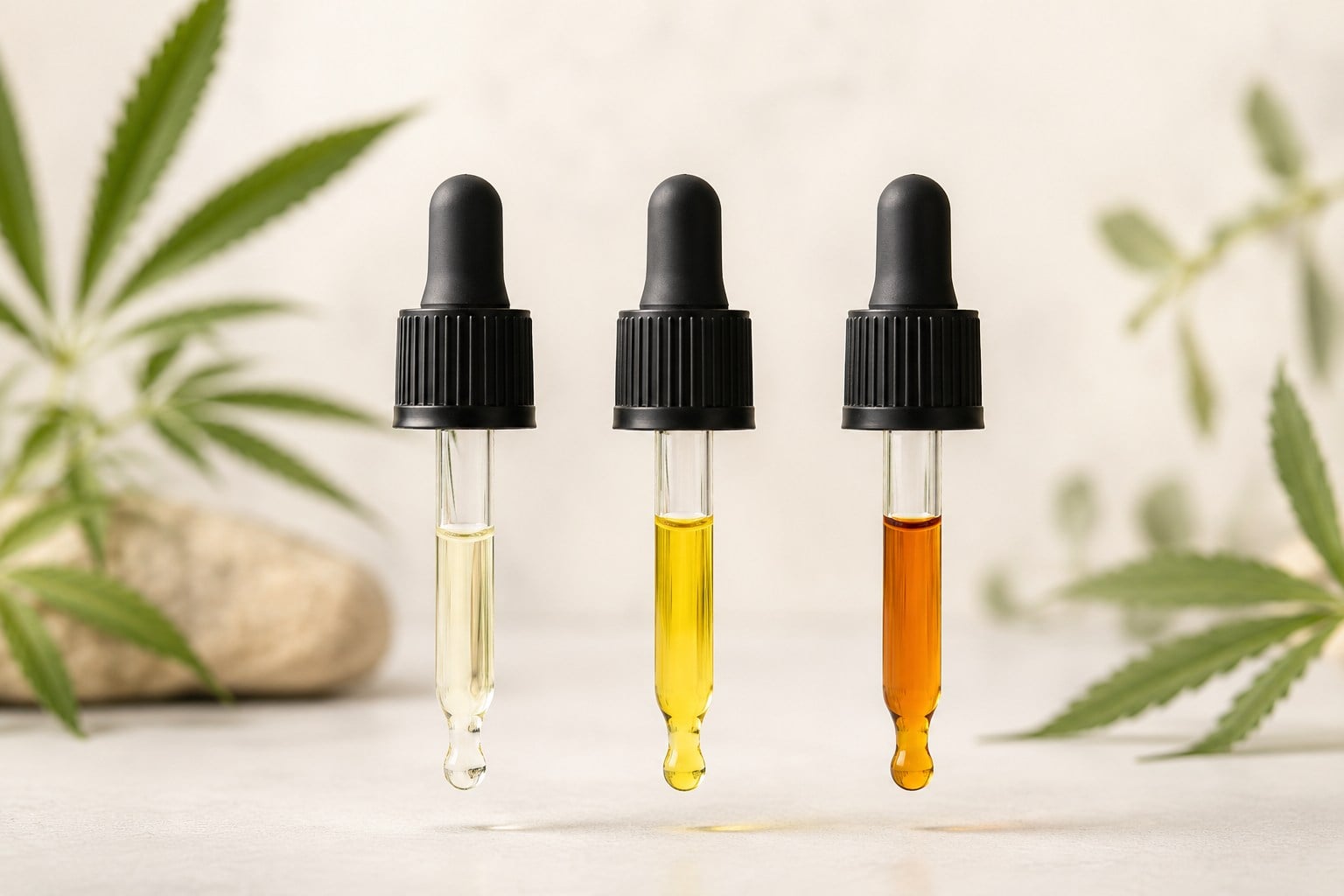
What CBD is used, at what dose and for how long
What type of CBD is used: isolate or broad spectrum?
In his practice, Dr Lins uses pure CBD isolate oil and pharmaceutical-grade broad spectrum CBD. To understand which other cannabinoids each option contains, it helps to know the differences between full spectrum, broad spectrum and isolate.
Dosage
He follows the principle of starting gradually ("start low and go slow"). In children, he starts from an initial dose of 15-25 mg a day, split into 2-3 doses depending on symptoms and age, and increases it gradually until the desired effect is reached with minimal side effects. More context in what the optimal CBD dose is. (This is not a prescriptive guideline.)
Duration
Follow-up assessments are carried out every 2-3 months to evaluate progress and adjust the dose if necessary.
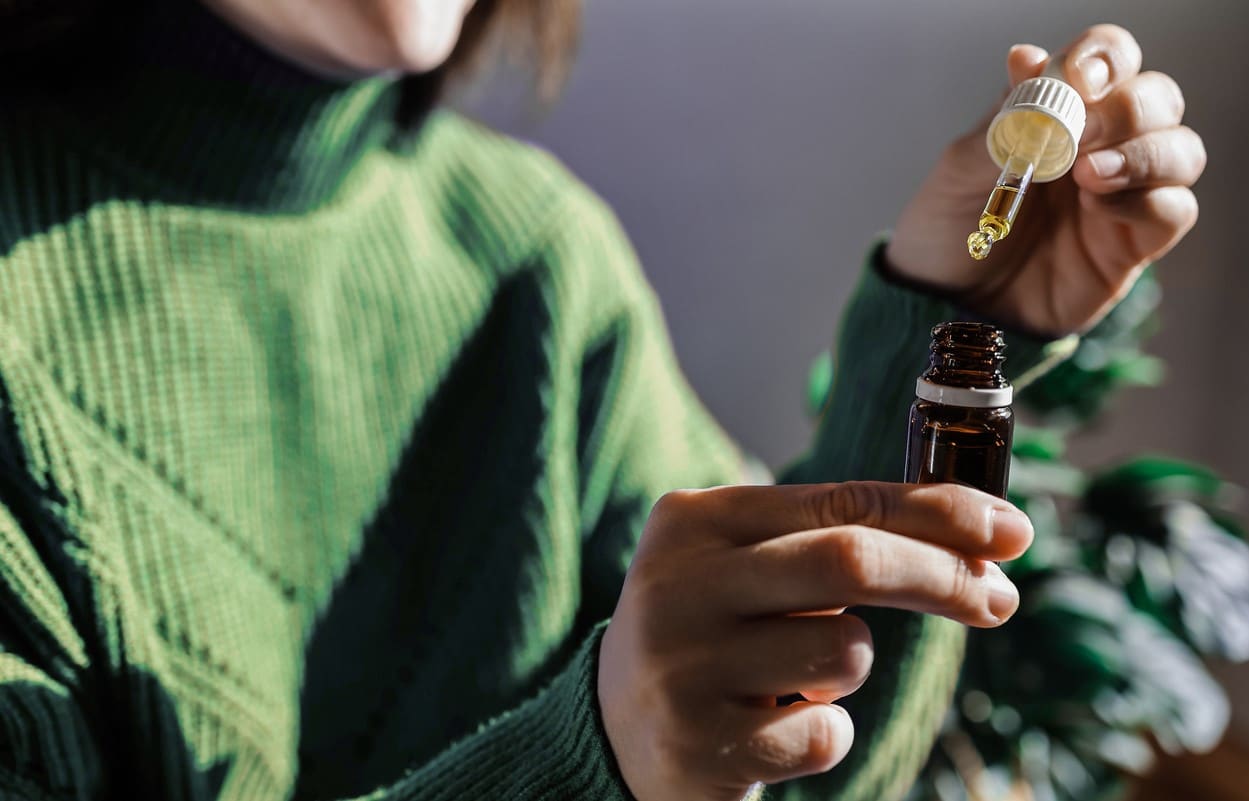
Routes of administration
Dr Lins suggests using sublingual CBD, on an empty stomach whenever possible. Alternatively, CBD can be added to food after a meal to mask its taste, depending on the patient's level of acceptance.
What monitoring is recommended?
It is advisable to monitor liver enzymes through blood tests at the start of treatment and, thereafter, every 6 months. Assessing food allergies and gastrointestinal problems can also provide useful information.
Conclusions
ASD is a complex disorder with an unclear aetiology, probably resulting from a combination of genetic, environmental and psychological factors. Current treatments focus on improving behaviour, sociability and integration, and pharmacological interventions are often limited by their side effects. In this context, CBD has emerged as a promising option in many cases, backed by clinical experiences such as that of Dr Lins. However, the lack of studies with larger samples means that definitive conclusions are not possible for now.
Future perspectives
Anecdotal evidence and individual experiences are encouraging, but solid scientific evidence is needed to integrate CBD-based therapies into routine medical practice.
Note: this is an informative article based on current scientific research. It is not intended to prevent, diagnose or treat any disease and should never replace the judgement of a healthcare professional. Cannactiva products are not medicines and are intended for external use. Consult your doctor before using CBD.
References and further reading
- Zamberletti E. et al. (2017). The endocannabinoid system and ASD: insights from animal models. Int J Mol Sci.
- American Psychiatric Association (2013). DSM-5.
- Zeidan J. et al. (2022). Global prevalence of autism: a systematic review update. Autism Res.
- DeFilippis M., Wagner K.D. (2016). Treatment of ASD in Children and Adolescents. Psychopharmacol Bull.
- Aran A., Cayam Rand D. (2024). Cannabinoid treatment for the symptoms of ASD. Expert Opin Emerg Drugs.
- Aran A., Harel M., Cassuto H. et al. (2021). Cannabinoid treatment for autism: a proof-of-concept randomized trial. Mol Autism 12:6.
- Bar-Lev Schleider L. et al. (2019). Real life Experience of Medical Cannabis Treatment in Autism. Sci Rep 9:200.
- Efficacy and Safety of Cannabinoids for Autism Spectrum Disorder: An Updated Systematic Review (2025).
- Cannabis Use in Autism: Reasons for Concern about Risk for Psychosis (2022).
- Hacohen M. et al. (2022). ASD treated with CBD-rich cannabis: improvements in social symptoms. Transl Psychiatry.
- Pedrazzi JFC. et al. (2022). Cannabidiol for the treatment of ASD: hope or hype? Psychopharmacology.
- Ma L., Platnick S., Platnick H. (2022). Cannabidiol in Treatment of ASD: A Case Study. Cureus.
- Barchel D. et al. (2019). Oral Cannabidiol Use in Children With ASD. Front Pharmacol.


